
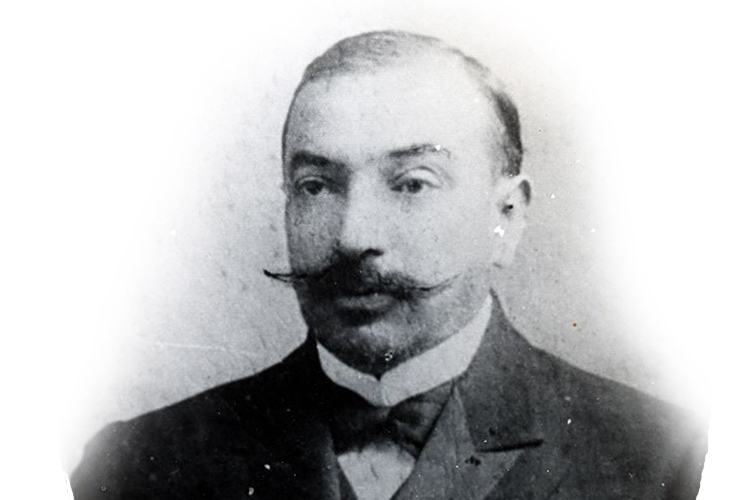
Adil Khan Ziyadkhanov, a prominent Azerbaijani statesman and diplomat
Adil Khan Abulfat Khan oghlu Ziyadkhanov was born on September 25, 1877, in Ganja. He is the great-grandson of Javad Khan Ziyadoghlu Qajar, the Khan of Ganja, who bravely fell in battle against Russian invaders. His mother, Azer Humayun, is the granddaughter of Abbas Mirza Qajar and the daughter of Prince Bahman Mirza Qajar. Adil Khan Ziyadkhanov began his education with a private tutor before completing his studies at the Ganja Classical Gymnasium. In 1902, he earned his degree from the law faculty of Moscow State University. He was proficient in Russian, French, English, and Persian. He served as an attorney in Baku and a sworn attorney at the Ganja District Court and its branch in Shusha.
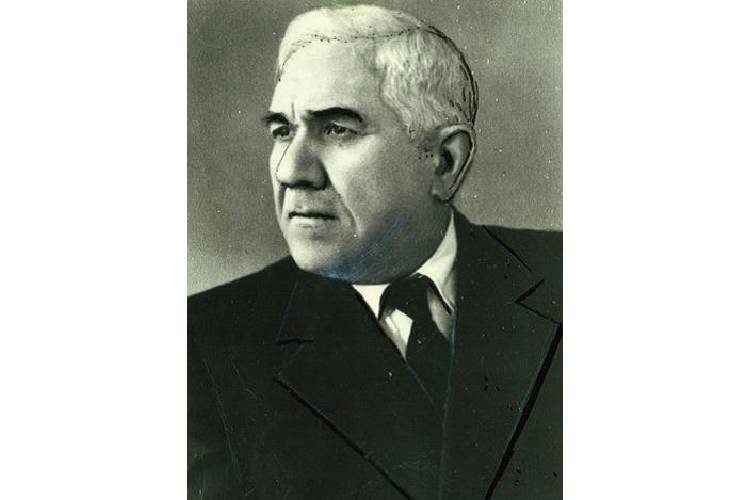
The distinguished tar player Ahmad Bakikhanov
Ahmad Bakikhanov, an outstanding tar player and educator, was born on September 5, 1892 in Baku. The Bakikhanov family used to live in the Iranian city of Rasht for some time. At the age of sixteen, Ahmad Bakikhanov began his primary education there under the famous khanende Abdulhasan khan. In a short period of time, he delved deeply into the intricacies and depths of musical art. Under the guidance of tar masters, he learned the secrets of playing the tar and mugham. Upon the family’s return to Baku, Ahmad Bakikhanov continued his education in his hometown.

International Day of Charity
5 September — International Day of Charity was established on 17 December 2012 at the 67th session of the UN General Assembly. It was timed to coincide with the anniversary of the death of Mother Teresa, winner of the Nobel Peace Prize (1979). The world-famous missionary and Catholic nun Mother Teresa was involved in charity work in various countries for 50 years. International Day of Charity is celebrated in UN member states. Its celebration was initiated by the Hungarian government and took place for the first time in 2013.
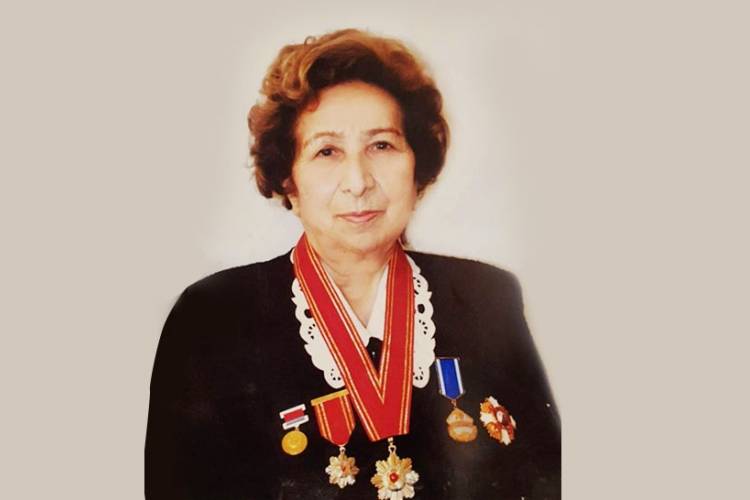
Academician Adila Namazova
Adila Avez gizi Namazova was born on 9 September 1926 in the village of Seyidli, Agdam District. After graduating from secondary school, she received her higher education at the Paediatrics Faculty of Azerbaijan State Medical University from 1944 to 1949. Adila Namazova began her career in 1949 and worked as the head of the Children's Medical Consultation in the Agdam district until 1953. From 1954 to 1957, she studied at the postgraduate school of the Central Institute for the Improvement of Doctors of the USSR Ministry of Health in Moscow.
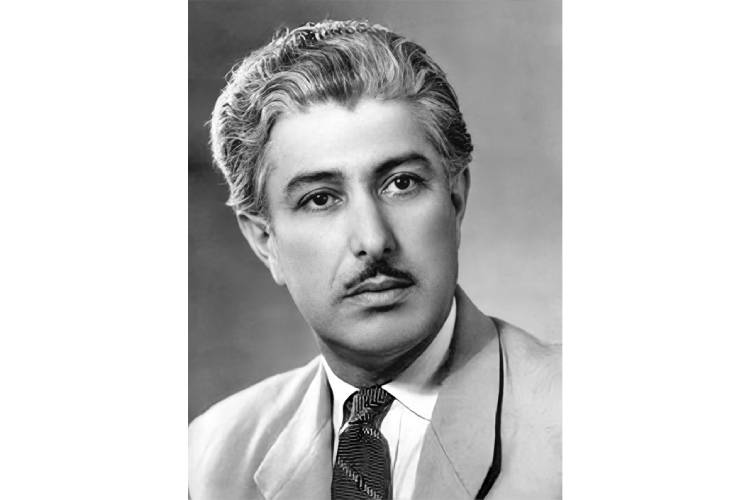
Renowned film director and cinematographer Mukhtar Dadashov
Renowned director and People's Artist Mukhtar Baba oghlu Dadashov was born on September 11, 1913, in Baku. Mukhtar Dadashov, who developed an interest in art from a young age, first performed on the stage of the Azerbaijan State Academic Drama Theater at the age of 11 in 1924. In 1928, he played the role of Gunduz in the inaugural performance of Jafar Jabbarli's play "Sevil." He started working as an assistant director and lead actor at the Young Spectators Theater in 1929. In 1931, Mukhtar Dadashov, who worked as an assistant cameraman at a film studio, began making documentary and feature films.
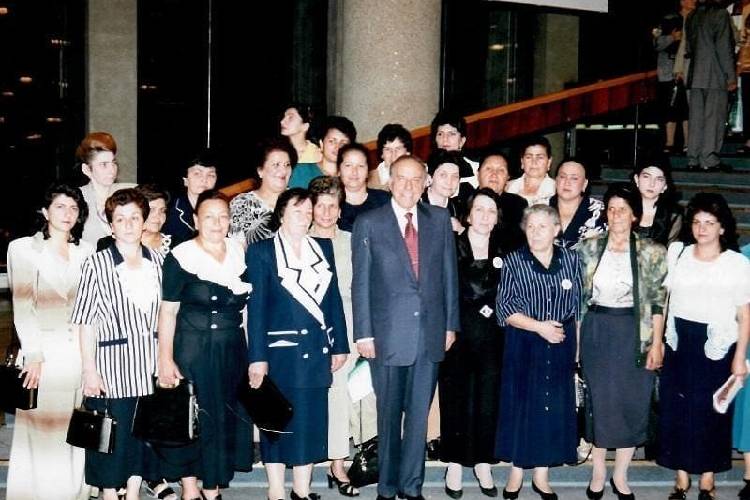
1st Congress of Azerbaijani Women
The first Women's Congress in the independent State of Azerbaijan took place on September 14, 1998. This event marked a new phase in the women's movement in our country, initiated by the Great Leader Heydar Aliyev. One of the key aspects of his state policy has been the protection of women's rights and freedoms, their representation in socio-political life, and public administration, as well as ensuring their equal rights in all areas. To support these goals, on January 14, 1998, Heydar Aliyev signed a decree establishing the State Committee on Women's Issues of the Republic of Azerbaijan.
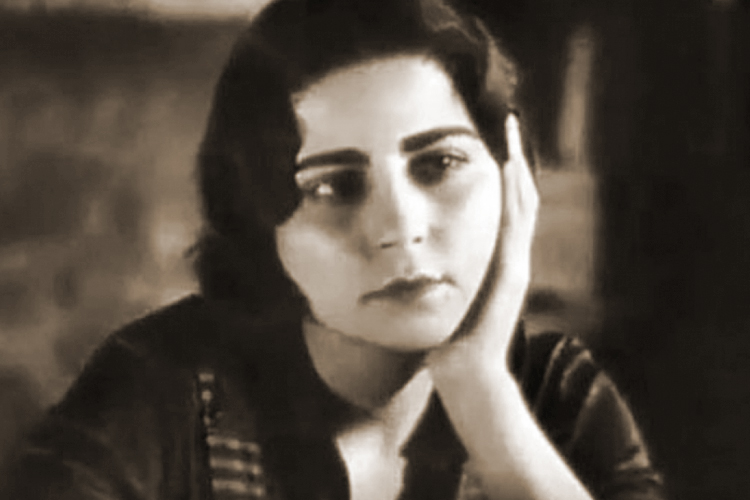
Academician Izzat Orujova
Orujova Izzat was born on September 16, 1909 in Baku. She graduated from the engineering technology department of the Azerbaijan Industrial Institute (now the Azerbaijan State University of Oil and Industry). I.Orujova received the degree of PhD in Engineering (1947), Doctor of Science (1962) and the title of Professor. She was elected as a corresponding member (1967), as an active member of the Azerbaijan Academy of Sciences SSR (1972). From 1932 to 1959 I.Orujova worked at the Azerbaijan Oil Research Institute of the Research Institute, and then, at the Institute of Petrochemical Processes of the Academy of Sciences.
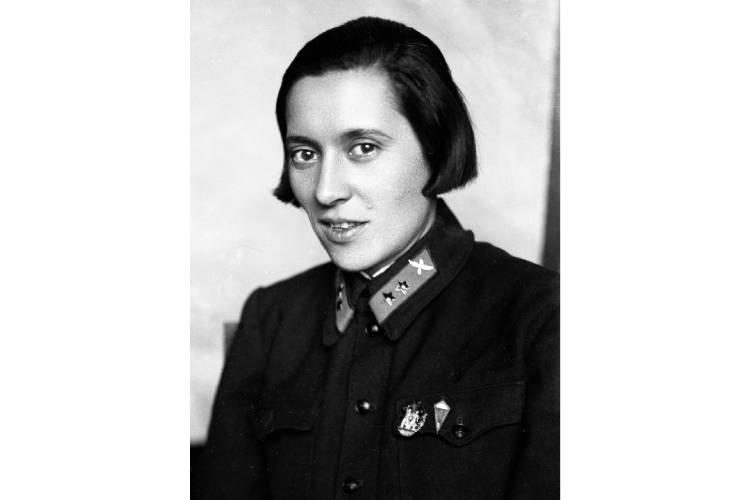
The First Female Pilot of the East, Leyla Mammadbeyova
Leyla Alasgar gizi Mammadbeyova, known as the first female pilot in Azerbaijan, the South Caucasus, and the Middle East, was born on September 17, 1909, in Baku. In 1918, on the eve of the March genocide carried out by Armenians against Azerbaijanis, she and her family were forced to move to Astrakhan. Her father, Alasgar Zeynalov, a revolutionary, was closely connected with prominent political figures of his time and was friends with Nariman Narimanov. They lived in the same house in Astrakhan. Leyla Khanum was known for her courage and fearlessness since childhood. At age ten, she became her father's "little revolutionary."
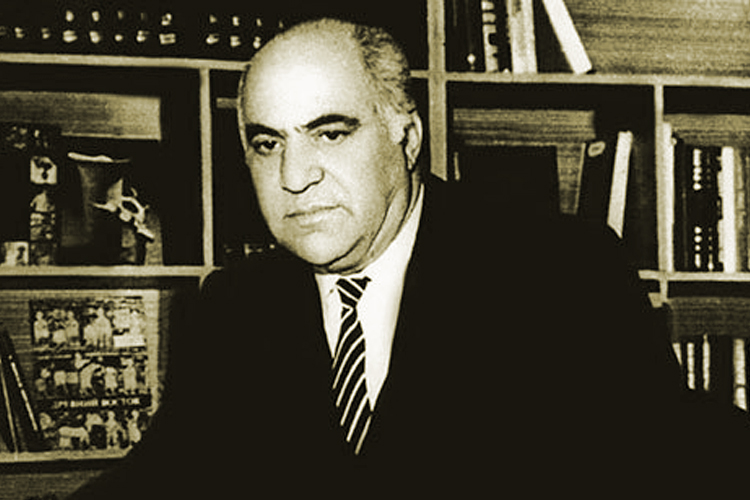
Academician Mammadagha Shiraliyev
Mammadagha Shiraliyev was born on September 19, 1909 in Shamakhi. He was the founder of the school of Azerbaijani dialectology. Mammadagha Shiraliyev graduated from secondary school in Baku in 1927, enrolled in the linguistics department of the Oriental Faculty of Azerbaijan State University , and completed his higher education in 1931. After working for two years as a language and literature teacher in the Agdam district, in 1933 he enrolled in the postgraduate programme at the Azerbaijan State Pedagogical Institute specialising in Azerbaijani linguistics. After completing his postgraduate studies, he taught Azerbaijani language at the same institute.
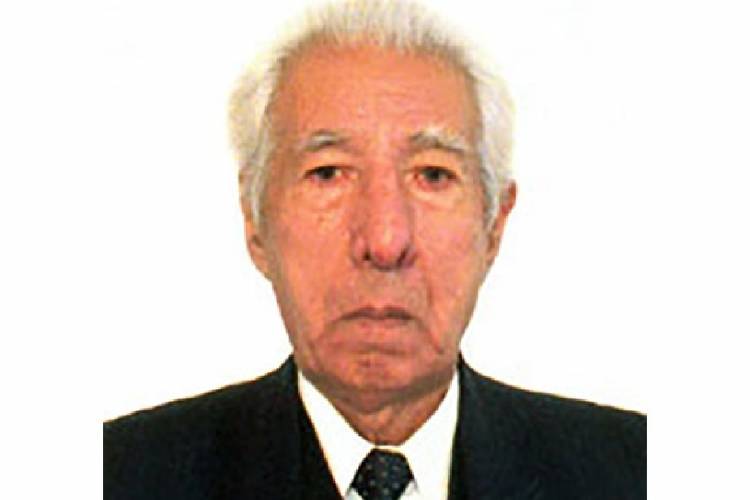
Academician Hajibey Sultanov
Hajibey Farajulla oglu Sultanov was born on September 20, 1921, in the village of Shagan near Baku. Upon graduating from the physics and mathematics faculty of the Azerbaijan State University in 1942, he went to the front and participated in World War II. Hajibey Sultanov, who went through a glorious military path to the storming of Berlin, was awarded the Order of the Patriotic War and medals “For Courage”, “For the Defense of the Caucasus”, “For the Victory over Germany in 1941-1945”, “For the Liberation of Prague”.