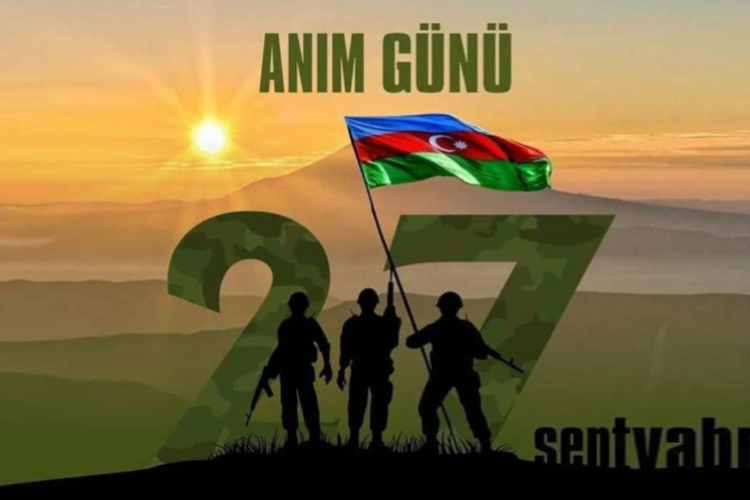
September 27 is observed as Remembrance Day in the Republic of Azerbaijan. The Patriotic War began on September 27, 2020, lasted 44 days, and ended in a historic Victory that…

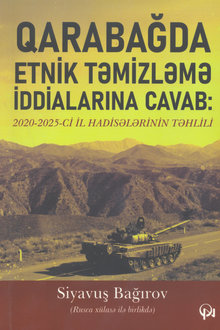
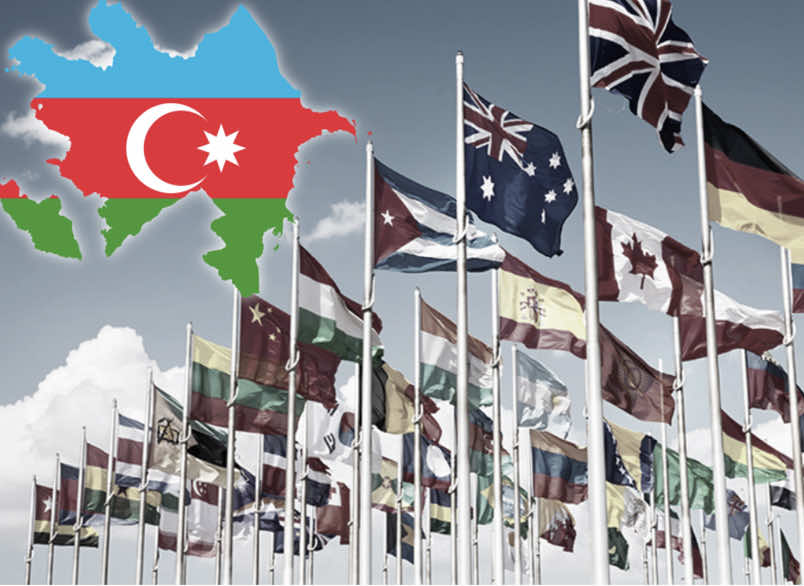
September 27 is observed as Remembrance Day in the Republic of Azerbaijan. The Patriotic War began on September 27, 2020, lasted 44 days, and ended in a historic Victory that…
September 26 is observed in the Republic of Azerbaijan as the Professional Day of Employees of the State Service for Special Communications and Information Security. The Professional Day of Employees of the State Service for Special Communications and Information Security was established by an Order of the President of the Republic of Azerbaijan Ilham Aliyev dated September 24, 2024. This significant date reflects the high recognition accorded to the work of employees engaged in ensuring uninterrupted and secure communications for state bodies and safeguarding the security of strategic information systems.


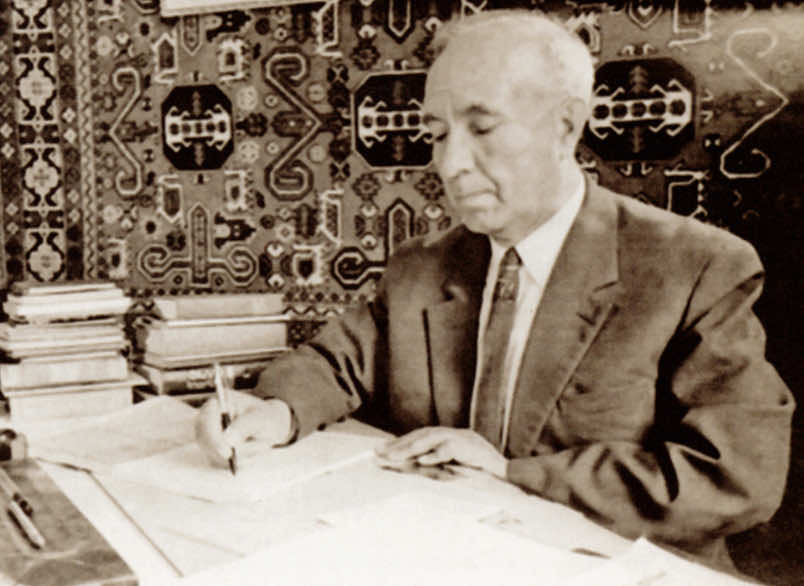
The beloved poet of our nation, Mirvarid Dilbazi, lived a long, remarkable, meaningful life dedicated to her people. This book contains her sweet and bitter memoirs and reminiscences.










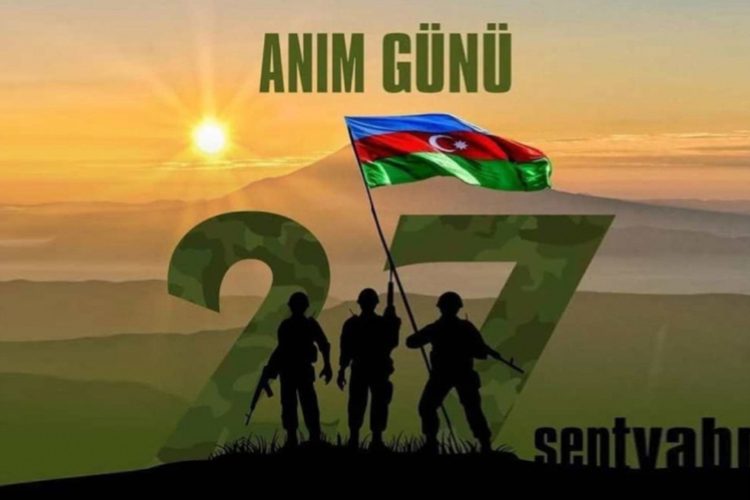
September 27 is commemorated as Remembrance Day in the Republic of Azerbaijan. This date marks the start of the Patriotic War on September 27, 2020, and represents a crucial stage in the struggle to restore Azerbaijan's territorial integrity. The Patriotic War, which lasted 44 days, demonstrated to the entire world…
You can check with the librarians or refer to the library's official website to find out if the digital version of the book is available.
By visiting the official website of the library, you can access the “Electronic Library” section to read or download the desired books, projects, and virtual exhibitions in electronic format.
Wi-Fi services are available in the library.
You can access to digital resources by visiting the official website of the library.
The library's Reading Rooms are open from Monday to Friday, from 9:00 AM to 6:00 PM.
You can visit the 'New Books' section on the library's official website to get information about the latest books published in Azerbaijani and foreign languages.
By familiarizing yourself with the library's rules and regulations, you can register at the Reading Hall.
The library's official website offers bibliographic and full-text electronic resources on various topics for research purposes.
To submit a certificate to the Supreme Attestation Commission, it is mandatory to have an ID card and a printed version of the book (additionally, the electronic version of the book can be submitted with the author’s consent).
You can submit the book yourself or send it via mail (the number of copies depends on the author’s preference) and obtain a certificate.
Full-text databases that we made and important databases that we subscribe to. These all databases can be easily used within the library.




Citizens of Azerbaijan and other foreign countries can use the Reading Rooms of the Presidential Library by submitting identification document (identity card or passport).
All resources on the library's website (e-projects, e-books, bibliographic indexes, information bulletins) are available by Internet users.
The Lending Department can be used only by the staff of the Administration, the Administrative Department of the President of the Republic of Azerbaijan, and the subordinate institutions.