
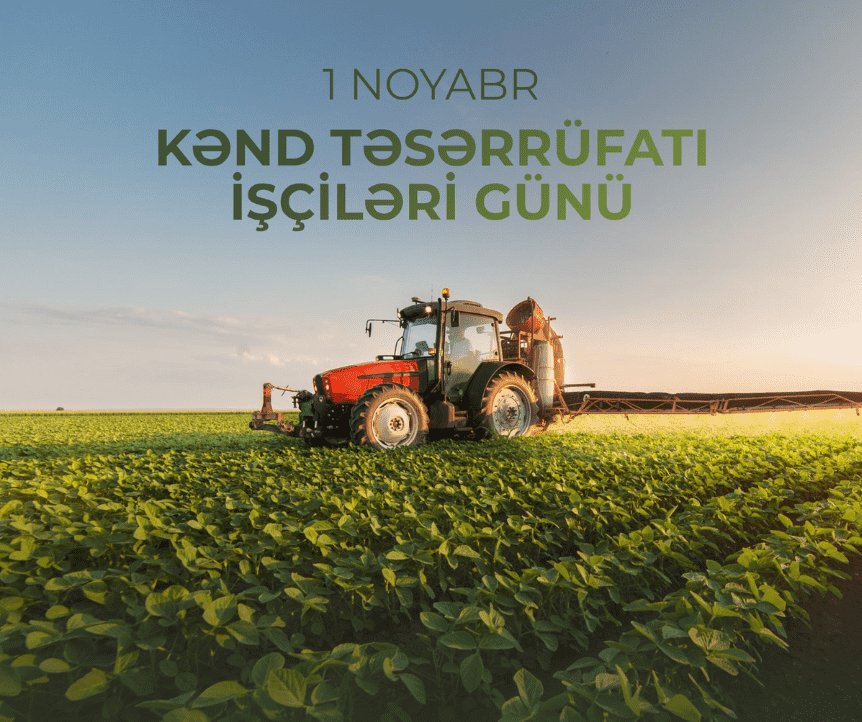
Agricultural Workers’ Day
Today, the agricultural sector of the Azerbaijani economy is experiencing stable and dynamic development. The agricultural sector plays an important role in ensuring food security of the population. It is also the largest employment sector of the population. About 1.5 million people in the country ensure their livelihood and financial support by working in the agricultural sector. This means that this remarkable day is also a professional holiday for about 1.5 million people in Azerbaijan. The agrarian reforms carried out in the country not only ensure the dynamic development of this sphere, but also solve the employment problem.
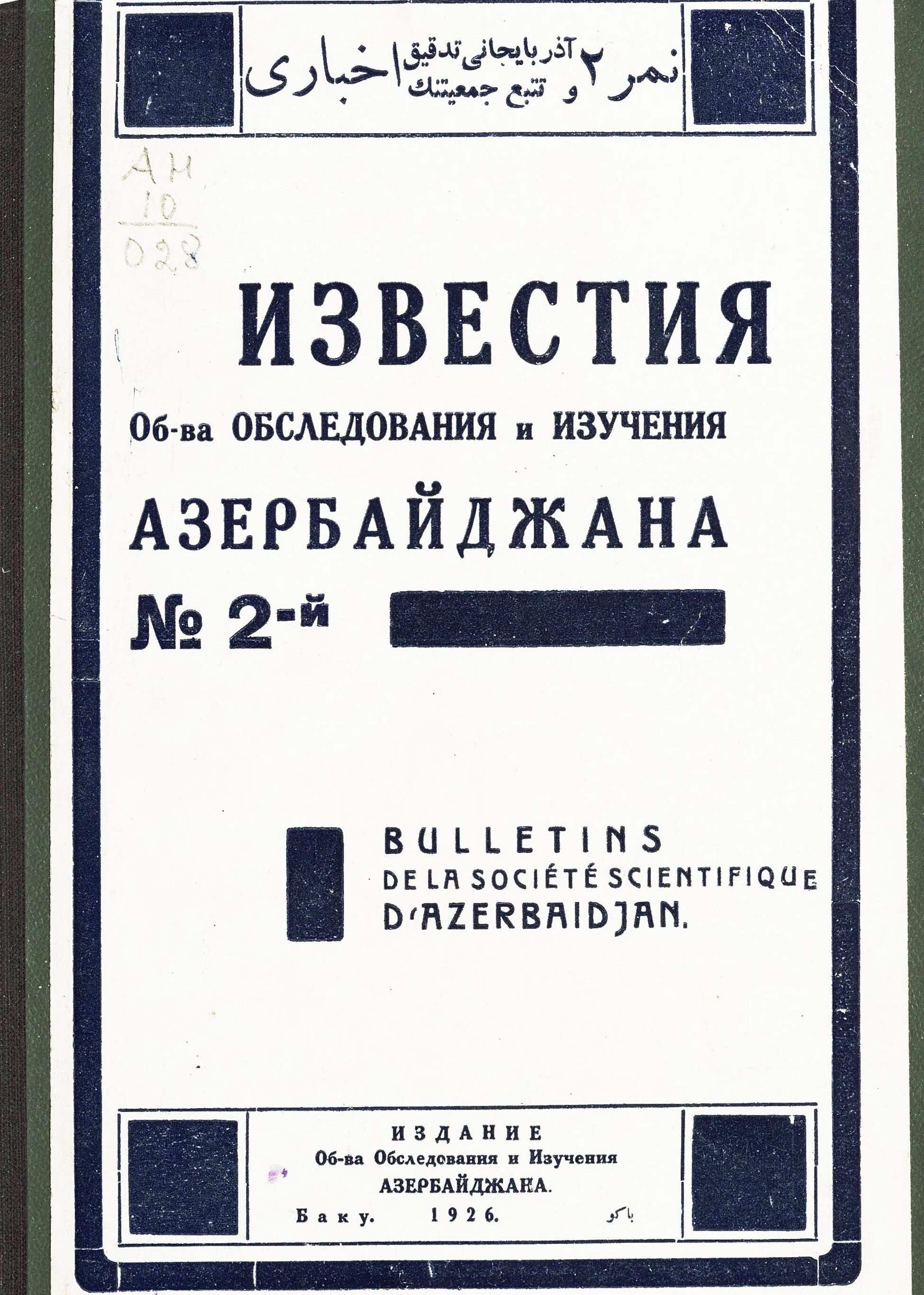
Society of investigation and study of Azerbaijan
At the beginning of the 20th century, Baku was one of the largest industrial centres of Russia, but at the same time was among the cities lagging behind in the development of public education and culture. Unlike Russian centres, the national colonial policy pursued in Baku had a negative impact on the development of public education and culture. In the early 20th century, the development of Baku’s oil industry required a large number of educated specialists. However, there was no institution where they could get proper education. The policy of statehood pursued by absolutism constantly violated the rights of minorities.

ANAS Central Scientific Library
The establishment of the scientific library service system began in the 20s of the last century. In view of the establishment of higher education institutions, research institutes and scientific societies in the republic in those years, there was a great need for opening scientific libraries. In November 1923, the ANAS Central Library of Science began as the office of bibliography of the Azerbaijan Society of Research and Investigation. The Society played a great role in the study of Azerbaijani history, archaeology, ethnography, geography, the Azerbaijani language and literature and cultural history in general.
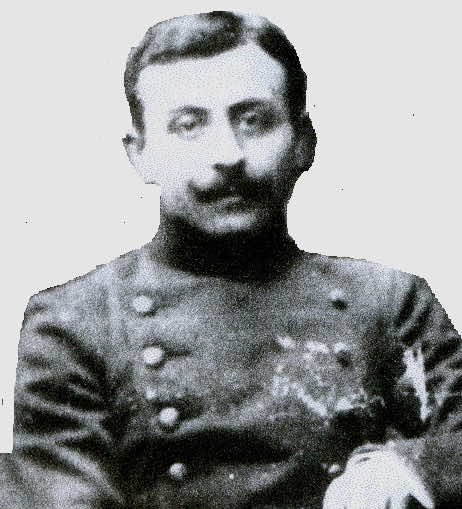
Social and political figure Rustam khan Khoyski
The Khoyski family is a descendant of the Dunbuli tribe, founders of the Khoy Khanate, who left their mark on the history of Azerbaijan. Dunbulis took part in the army of the Safavid Empire, and Shah Ismayil formed a branch of the Safavid Qizilbash army from warriors of the brave Dunbuli tribe. Jafargulu khan Dunbuli, Rustam khan Khoyski’s grandfather, was also known by the nickname "Batmanqılınc" (heavy sword). Due to the conflict with Fatali Shah Qajar, Jafargulu Khan moved to North Azerbaijan with his relatives and about 20,000 troops, and in 1807 he was appointed Sheki khan by the Russian Tsar. He was conferred the rank of lieutenant general.

Day of Azerbaijan Television and Radio
Despite the hegemony of such huge systems as the Internet and satellite communication networks in the global information space of the world, radio and television broadcasting retains its leading position in providing the most effective information to billions of people living in different corners of our planet regardless of their age, religion, ethnicity and profession. Our television and radio play an important role in recognising the independent Republic of Azerbaijan throughout the world, in disseminating the realities of Azerbaijan, and in promoting the achievements of our independent state in building a democratic society.
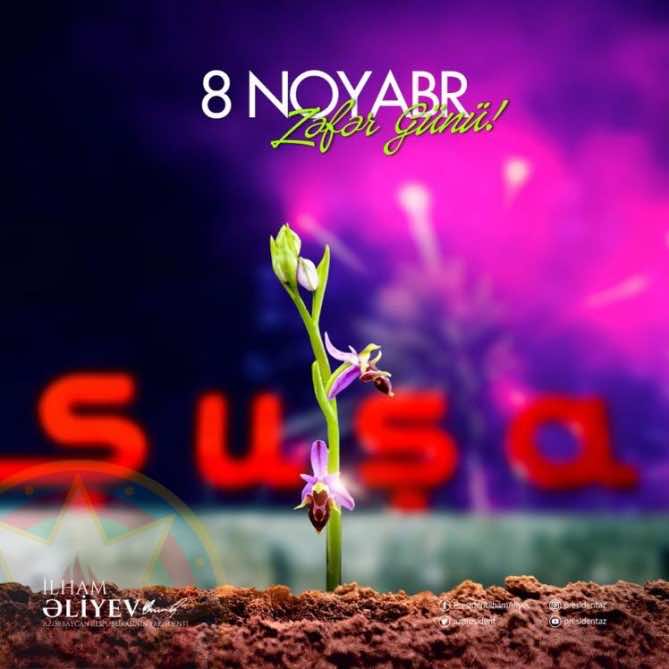
Victory Day
8 November 2020 is inscribed in the history of Azerbaijan as Victory Day in golden letters. Led by President and Commander-in-Chief of the Republic of Azerbaijan Ilham Aliyev, the glorious victory of Azerbaijani army in the 44-day Patriotic War has finally put the lid on the long-lasting conflict. The historical victory achieved by the Azerbaijani Army is of special significance from the point of view of the interests of the state and the people. Liberation of our lands, which had been under occupation for many years, first of all restored the confidence of the Azerbaijani people in their power, strengthened the people’s trust in their leader and their loyalty to Heydar Aliyev’s ideas.
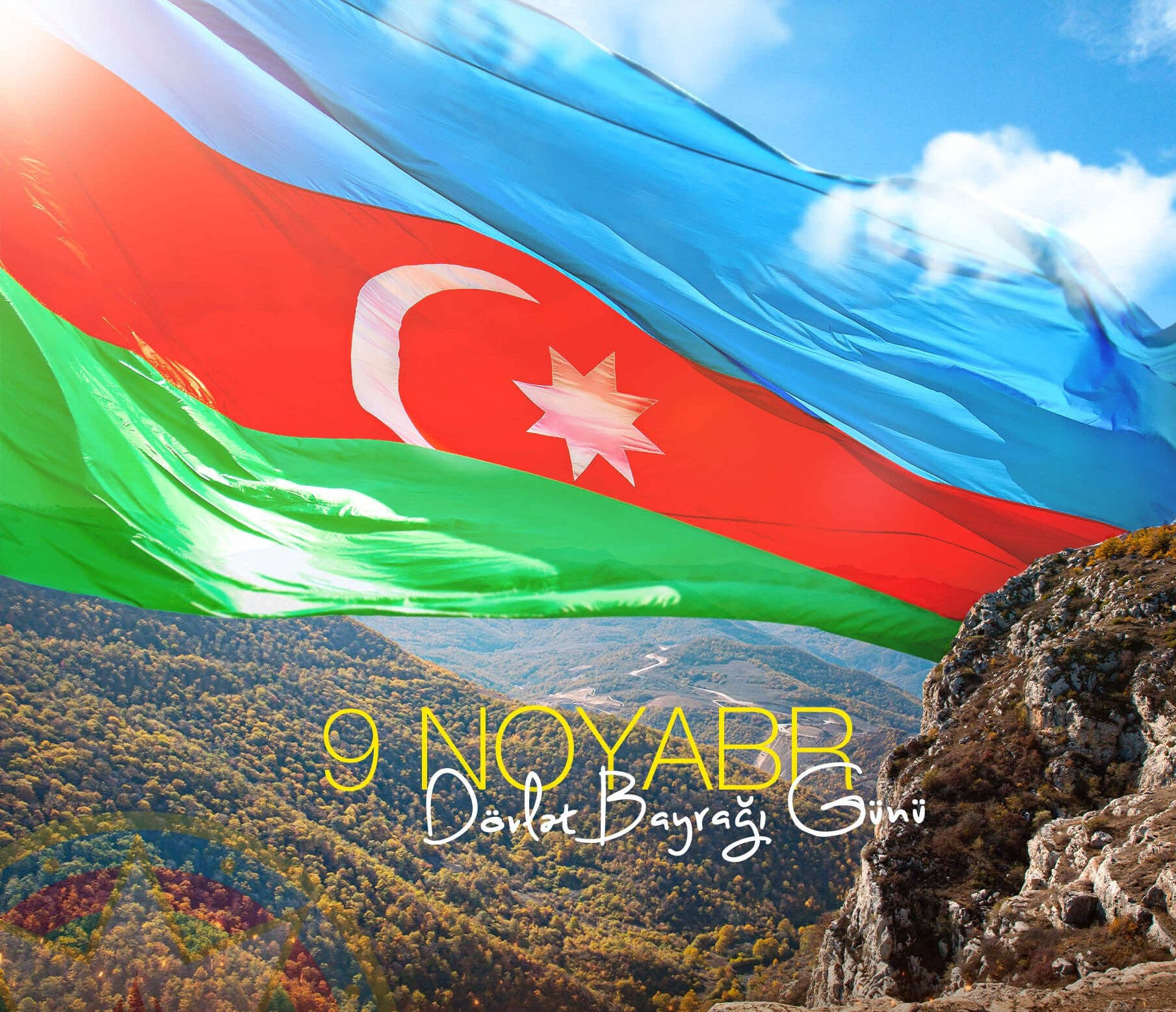
Day of the National Flag of the Republic of Azerbaijan
A national flag is a signature, honour and pride of every country that represents and symbolizes a given nation in the world community. The nation that has founded its state on a certain territory, strengthened it, preserved it, managed to protect and develop its national and moral values is able to hoist its flag. History has proved that not every nation has such a chance. The flag of the Azerbaijan Democratic Republic, which proclaimed its independence in the early twentieth century, is a symbol of our independence and statehood. The three-color national flag of Azerbaijan was accepted by the government of the Democratic Republic of Azerbaijan on November 9, 1918.
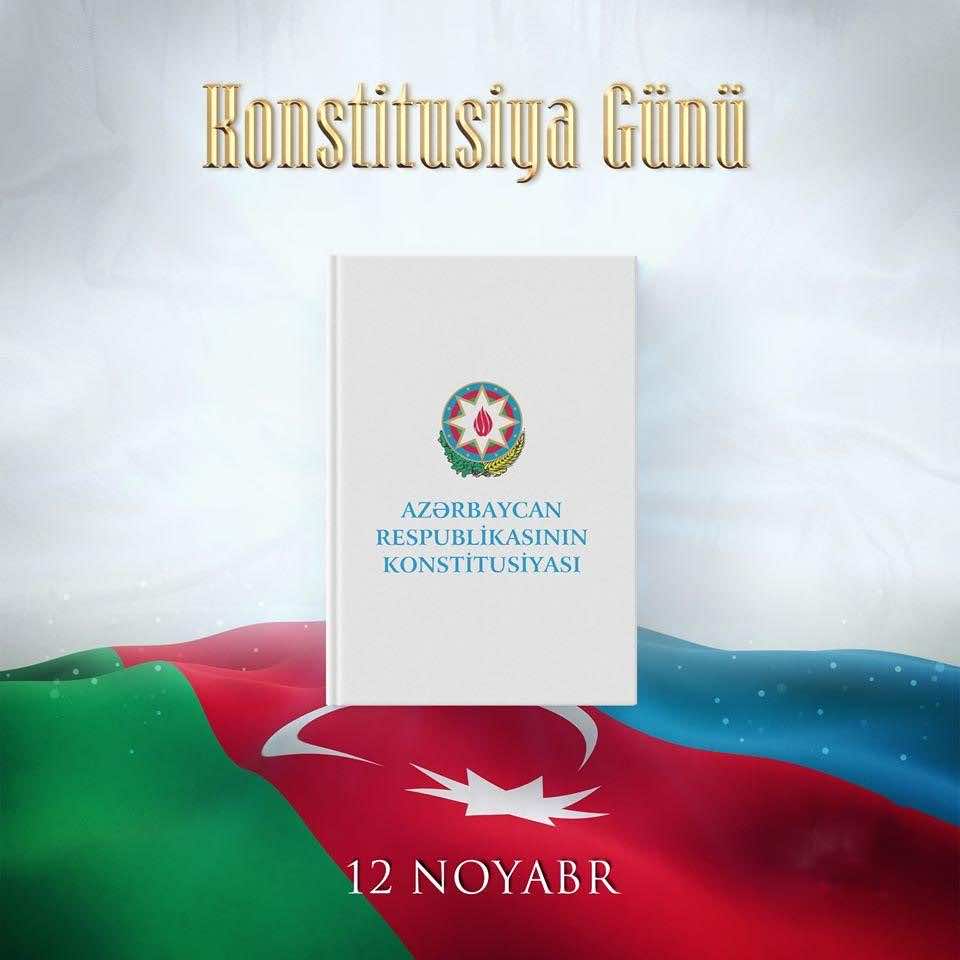
Constitution Day
November 12 – Constitution Day. After Azerbaijan got its independence appeared necessary to work out a new Constitution. A commission headed by Heydar Aliyev was established with this purpose. The project of the Constitution was presented to the referendum. The first Constitution of independent Azerbaijan was adopted with the referendum on the 12th of November, 1995. The Constitution of the Republic of Azerbaijan adopted in 1995 was the first Constitution of independent Azerbaijan and the fifth overall in the history of our country. The Azerbaijan Democratic Republic existed for 23 months during 1918-1920 did not have the main Law of the state.
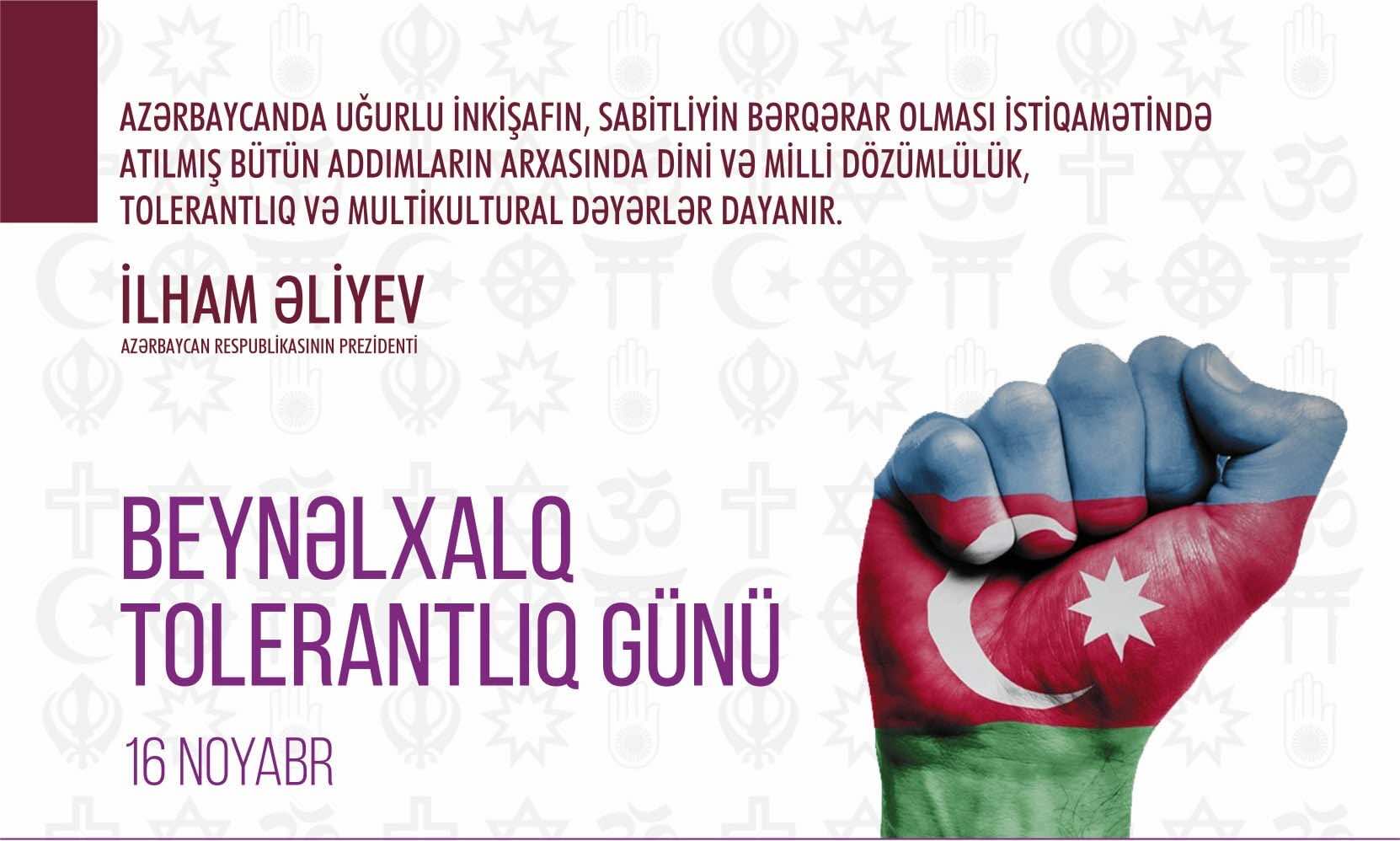
International Day for Tolerance
November 16 is the International Day for Tolerance. The Latin word "tolerancia" means tolerance. However, there are different variations regarding the nature and explanation of tolerance. The adoption of the Universal Declaration of Human Rights in 1948 formed the legal foundation for endorsing ideas about tolerance. That declaration states that "recognition of the inherent dignity and of the equal and inalienable rights of all members of the human family is the foundation of freedom, justice and peace in the world"; "disregard and contempt for human rights have resulted in barbarous acts which have outraged the conscience of mankind".
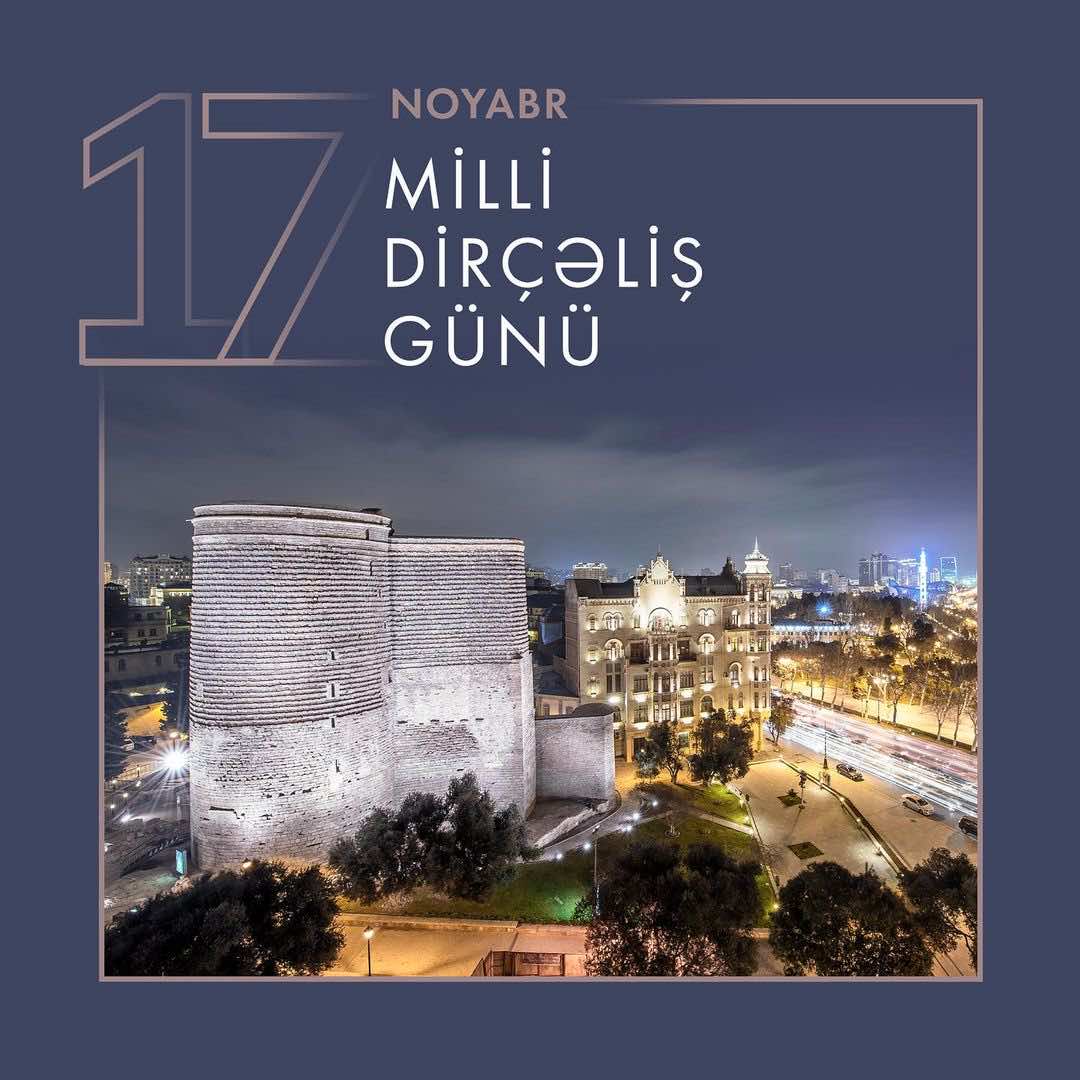
National Revival Day
November 17 - National Revival Day, one of the main stages of the freedom struggle of our people, played a historical role in the restoration of Azerbaijan's independence. At the end of the last century, the economic, political, moral and ideological foundations of the Soviet Union, which covered one-sixth of the world, were shaken, and the discriminatory policy of the political "think tank" of the empire against the people, especially the Azerbaijani people, was aggravated. With the support of M. Gorbachov's government, Armenians started to make unjust territorial claims against Azerbaijanis in Nagorno-Karabakh.