

World Tourism Day
September 27 is World Tourism Day. The first travel agency in history was opened in 1841 by Thomas Cook. Since 1925, this organization has been operating in Geneva under various names. On September 27, 1970, the World Tourism Organization was formed. The headquarters of the tourist organization in 1979 moved to Madrid. September 27 was established as World Tourism Day. It is celebrated in more than 150 countries of the world, including Azerbaijan. This day has been celebrated in Azerbaijan since 2001. In the same year, at the 14th General Assembly of the UN World Tourism Organization held in Seoul, Azerbaijan became a member of this organization.
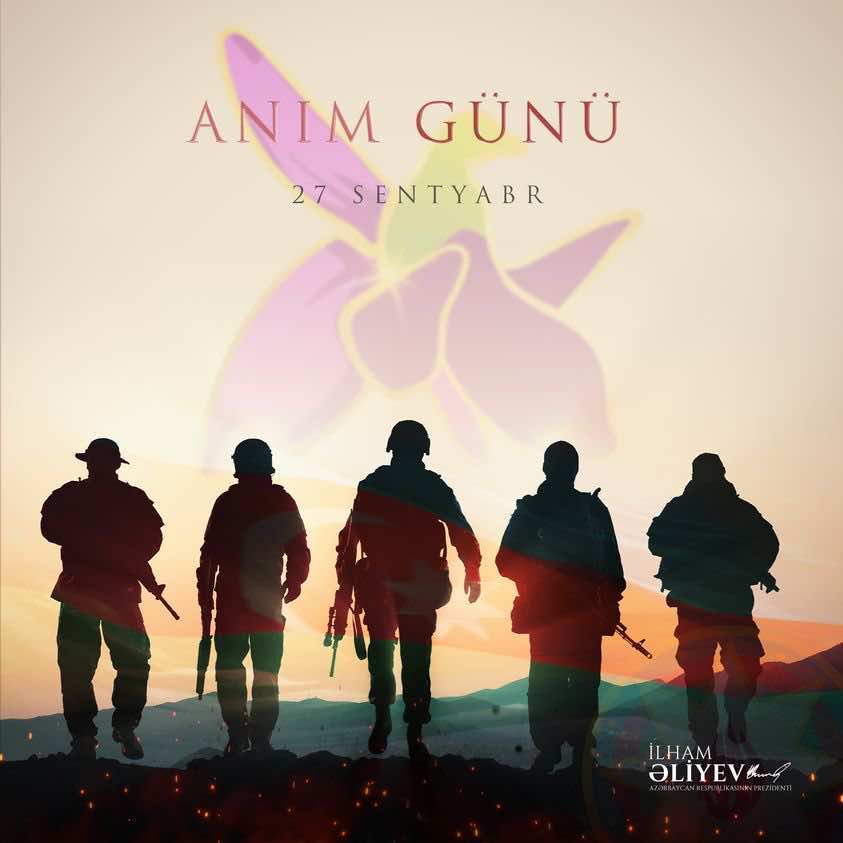
Remembrance Day
September 27, 2020, has gone down in history as the day of the beginning of our glorious Victory over the enemy. A counter-offensive was launched in response to Armenia’s yet another large-scale military attack on Azerbaijani Army positions and civilian settlements. The counter-offensive later became known as Operation Iron Fist which led to the Patriotic War. In his first address to the people during the Patriotic War on 27 September 2020, the President of Azerbaijan called on the nation to achieve a resounding victory. “We are on the right path. Ours is the cause of justice. We will win! Karabakh is ours! Karabakh is Azerbaijan!”
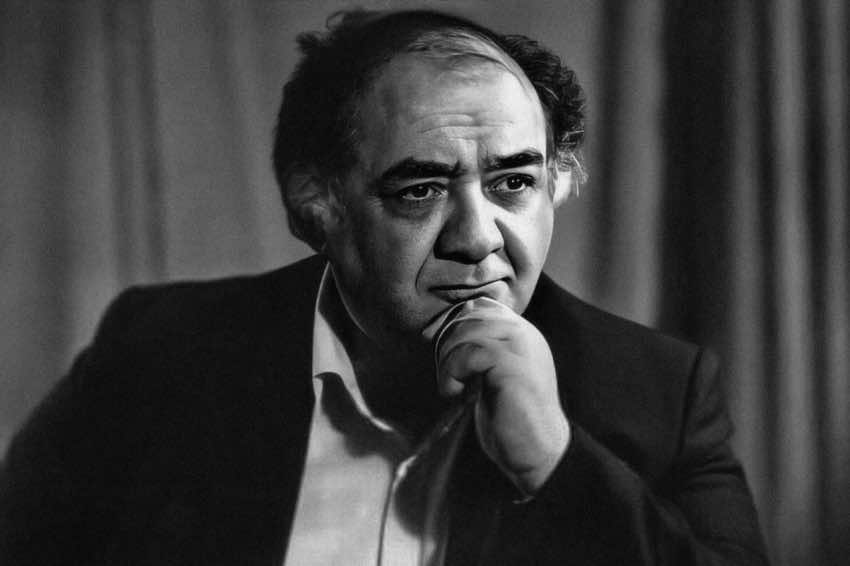
Academician Azad Mirzajanzade
Doctor of Technical Sciences, Professor, Member of the National Academy of Sciences of Azerbaijan, Russian Academy of Natural Sciences, Ukrainian Oil and Gas Academy, Honorary Academician of the Academy of Sciences of the Republic of Bashkortostan, President of the Eastern Oil Academy, Honored Worker of Science and Technology Azad Khalil oglu Mirzajanzadeh was born on September 30, 1928 in Baku. After graduating from high school, he received higher education in 1944–1949 at the oilfield faculty of the Azerbaijan Industrial Institute, majoring in mining engineering. In 1951, Azad Mirzajanzadeh defended his Ph.D., and in 1957 - his doctoral dissertation in technical sciences.
Foundation of Baku State University
The establishment of Baku State University was a significant achievement for the Azerbaijan Democratic Republic. Before this, no universities were opened in the South Caucasus during the tsar autocracy of the Russian Empire. The Provisional Government, formed after the February Revolution in 1917, aimed to create a single higher education institution in the region - the "Russian University" in Tiflis. A commission composed of local Higher Women's Courses professors was tasked with opening the university in Tiflis, led by Professor V.I. Razumovsky, who later played a key role in setting up Baku University.
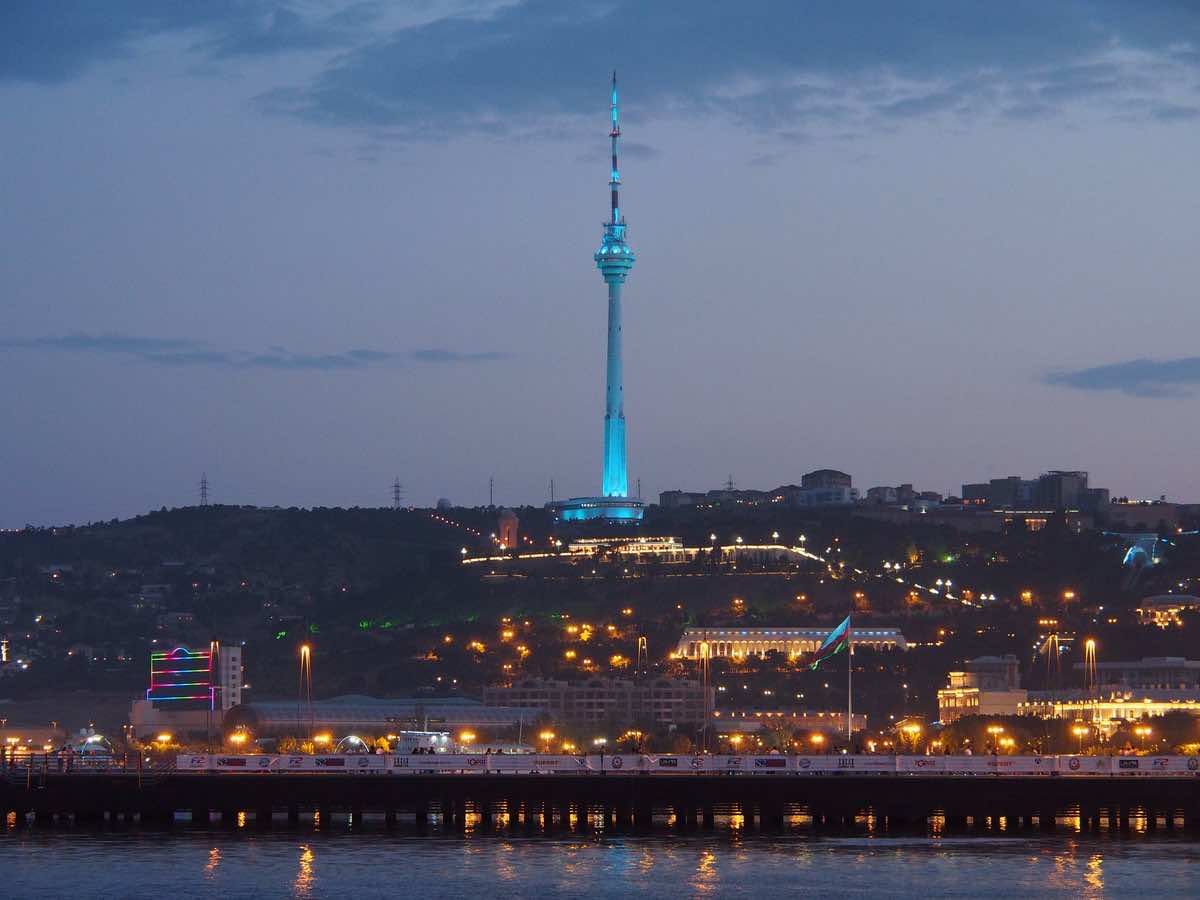
Laying foundation of the Television Center in Baku
After World War II, the process of televisionization began at a rapid pace in the United States and Western European countries. The Soviet Union, victorious in the war, was preparing for the newly begun Cold War, and to this end, urgent measures were taken to create a television network throughout the country. Already in 1945, the Moscow Television Center was the first in Europe to resume regular broadcasting. After a short break, this center began reconstruction in 1948, and already in 1949 it aired its first outside program - a football match.
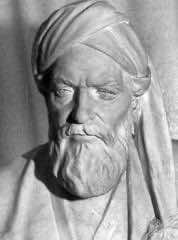
Azerbaijani philosopher Abul Hasan Bahmanyar
Abu al-Hasan Bahmanyar ibn al-Marzban is a notable figure among the Eastern Peripatetics, a major philosophical movement that flourished in Azerbaijan during the Middle Ages. Unfortunately, there is scarce information regarding Bahmanyar's biography. According to the writings of Ali ibn Zayd-i Bayhaqi from the 12th century, Shams al-Din Shahrazuri from the 13th century, and various other medieval texts, Bahmanyar was born in Azerbaijan in 993. The sources indicate that he studied under Ibn Sina, resided in Hamadan for a period, and passed away in 1066, thirty years after his mentor's death. Bahmanyar became a student of Ibn Sina at a very young age.
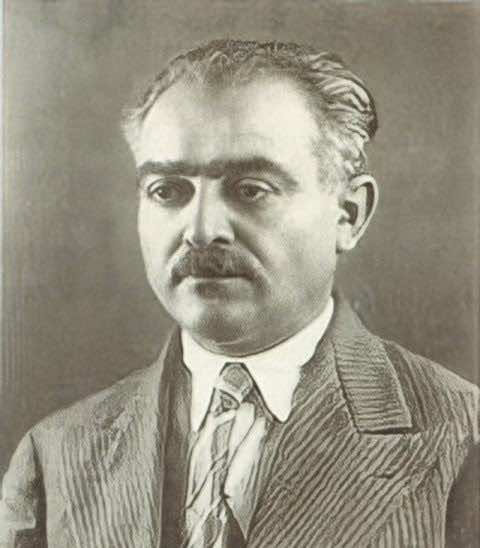
Statesman and writer Yusif Vezir Chemenzeminli
Yusif Mirbaba oglu Vazirov, diplomat and writer, the first ambassador of the Azerbaijani Democratic Republic to Ottoman Turkey, was born in 1877 in Shusha. In 1915, he graduated from the Faculty of Law of the University of Kiev. He knew eleven languages. YV Chamanzaminli started publishing in 1906. At the end of the 19th century and the beginning of the 20th century, the life of the towns and villages of Azerbaijan was reflected in colorful paints. His works such as "Police Shineli" and "Zeynal Bey" were dedicated to the cruel policy of tsarism in Azerbaijan. After graduating from the University, Chamanzaminli lived for some time in Simferopol, Odessa, Saratov, Istanbul and Paris.
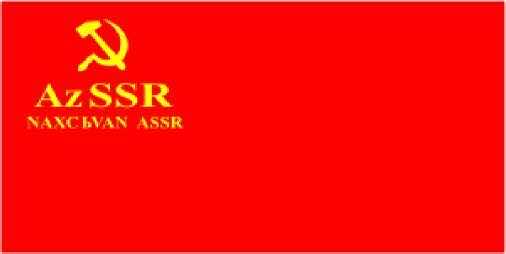
Adoption of the Constitution of the Nakhchivan ASSR (1937)
There are few autonomies in the world created on the basis of international agreements. The basis for the autonomous status of the Nakhchivan region, which has an ancient and rich culture and centuries-old traditions of statehood, was laid by the Moscow and Kars agreements of 1921. These agreements confirmed that Nakhchivan is an integral part of Azerbaijan, its territorial boundaries were clarified, and that it will never be transferred to another country.

International Day of Peace
Peace is an essential value for humanity representing a call for harmony and coexistence. Observing World Peace Day symbolizes the unity of peace-loving nations and their commitment to the well-being of mankind. People yearn for peace, which has become a universal symbol of humanity. As a result, the United Nations, with the unanimous agreement of countries around the globe, declared September 21, 1981, as the International Day of Peace. The UN calls for a ceasefire in all global hotspots on that day. This holiday has been observed globally since 1982, following a resolution by the UN General Assembly on November 30, 1981.
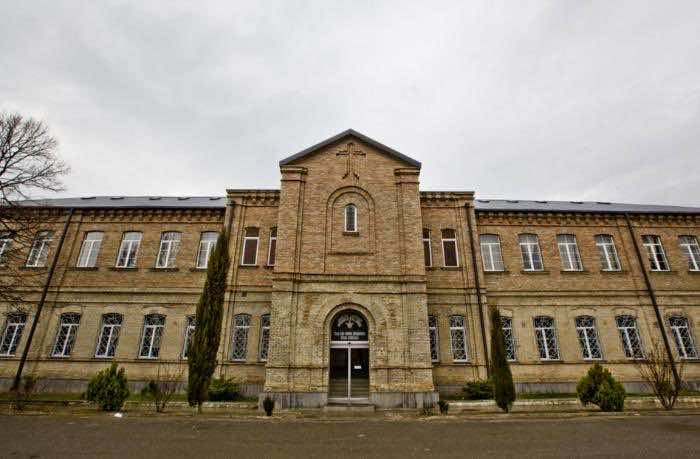
Opening of an Azerbaijani branch of the Transcaucasian Gori Teachers’ Seminary
Beginning in the 70s of the 19th century, teacher seminaries were created in a number of regions of the Russian Empire, including the South Caucasus, to train teachers for rural schools. Teachers' seminaries, created mainly by “zemstva” , were based on their work on the “Teachers' Seminary Project”, developed by the brilliant Russian teacher Konstantin Dmitrievich Ushinsky. Although the tsarist authorities tried in various ways to prevent the zemstvos from opening seminaries, they still failed to do this. To control the process of creating seminaries, the “Regulations on the Teachers’ Seminary” were approved in 1870.