

Outstanding poetess of Azerbaijan Khurshidbanu Natavan
The poetess Khurshidbanu Mehdigulu gizi, the granddaughter of Khan of Karabakh Ibrahimkhalil Khan, born on August 15, 1832 in Shusha. Khurshidbanu was educated at home. Her aunt Govhar Agha was an educated woman of her time, she taught Khurshidbanu to write, read, draw and play musical instruments. Natavan knew Arabic, Persian and Turkish. Being the only child in the family and the last heiress of the khans of Karabakh, in the palace she was called “Dürrü yekta” (“The Only Pearl”). She was popularly known as the Khan's daughter. After the death of Mehdigulu Khan in 1845, all his rights passed to his daughter Khurshidbanu. In 1850, the poetess married General Khasai-Khan Utsmiev.
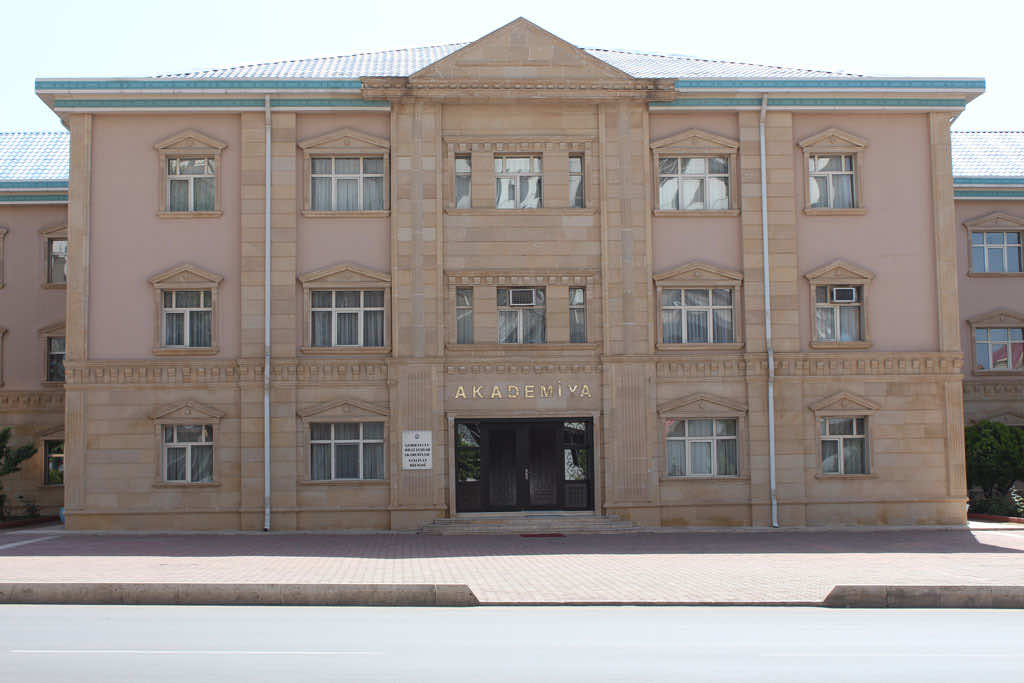
Establishment of the Nakhchivan Branch of ANAS
Taking into account the geopolitical situation of the Nakhchivan Autonomous Republic, the great leader Heydar Aliyev, who always focused on the development of science, signed a historical resolution on August 7, 2002 on the establishment of the Nakhchivan Branch of the Azerbaijan National Academy of Sciences. In accordance with the above-mentioned order, 6 scientific research institutes were established in the Nakhchivan Branch of ANAS - History, Ethnography and Archaeology, Art, Language and Literature, Natural Resources, Bioresources, Batabat Astrophysics Observatory and Fund of Manuscripts.

Book Lovers Day
The book is a monumental achievement in human culture. The history of books and libraries in every nation helps to illuminate their national progress and cultural identity. Books play a crucial role in enhancing reading culture and elevating the intellectual standard of society. Many countries around the world celebrate various holidays related to books. One of these holidays is Book Lovers Day on August 9th. Originally celebrated unofficially as a national holiday in the United States, it quickly gained popularity worldwide and became an international celebration. Despite its global recognition, the origin and creator of Book Lovers Day remain unknown.
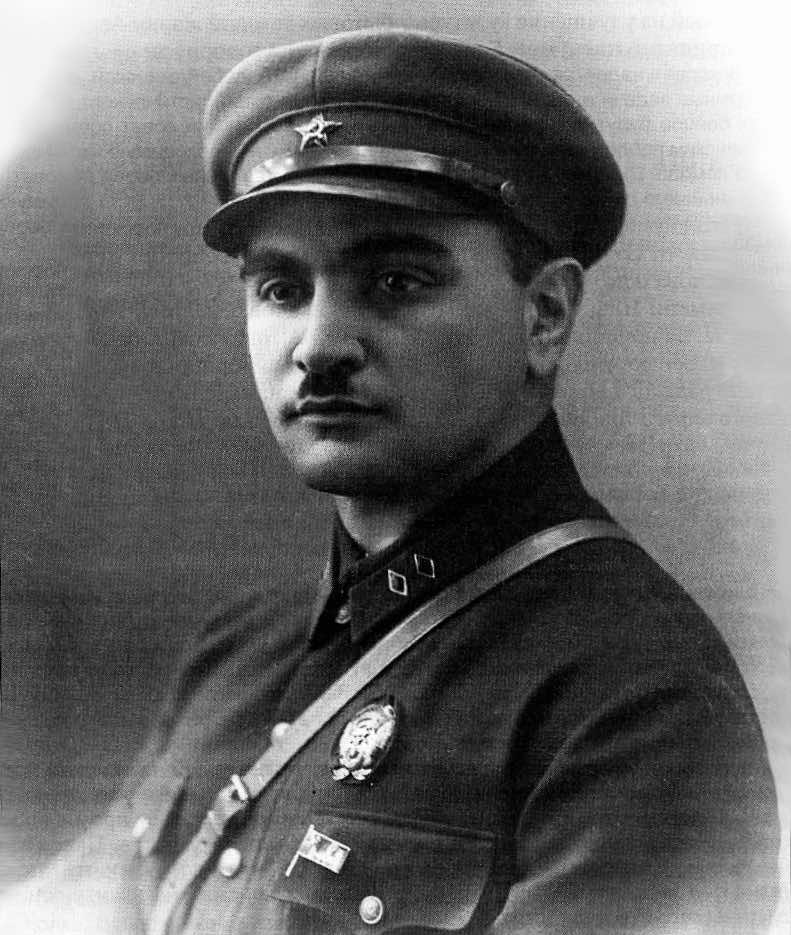
General Jamshid Nakhchivanski
Jamshid Nakhchivanski, a representative of the Kengerli dynasty, was born on August 10, 1895 in the city of Nakhichevan in the family of retired Russian Imperial Rittmeister Jafargulu Khan Kengerli-Nakhchivanski. Jamshid had a sister named Nazlybeim and four brothers named Kelbali, Teymur, Ehsan and Davud. Jamshid Nakhchivanski, who lived a rich and interesting life, received his first education at home from special teachers; by the age of 7 he could read and write in Azerbaijani, speak Russian and French. Later he studied at a boarding school in Irevan, and in 1907 he entered the Tiflis Cadet Corps.
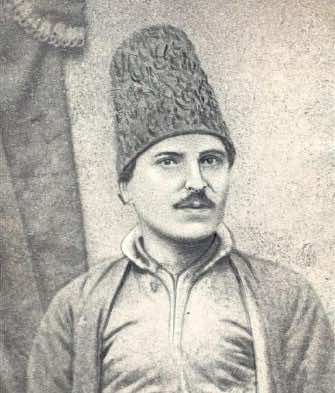
Outstanding Azerbaijani poet-satirist Gasym-bey Zakir
The lyrical poet and satirist Gasym bey Ali bey ogly Javanshir, who is known under the pseudonym “Zakir” (“praising God”) was born in 1784 (1789) in the city of Shusha into a noble family. He came from a famous family of Javanshirs, his great-grandfather Kazym-aga was the brother of the founder of the Karabakh Khanate - Panah Ali Khan. Gasym bey Zakir received his first education at the Mollahana in Shusha, where he studied Arabic and Persian. Knowledge of these languages gave him the opportunity to become acquainted with the works of famous masters of the Middle East, such as Ferdowsi, Nizami, Sadi, Hafez.

Introduction of the National Currency - Manat
Azerbaijan's declaration of independence in the late 20th century led to the introduction of the national currency, symbolizing a key aspect of a sovereign state. Azerbaijan entered the era of modern central banking in 1991. Article 14 titled “The Banking System and Money Circulation” of the Constitutional Law of the Republic of Azerbaijan dated 25 May 1991 stipulated the legal basis for the independent banking system and circulation of the national currency in Azerbaijan, determined the status and authorities of the National Bank.
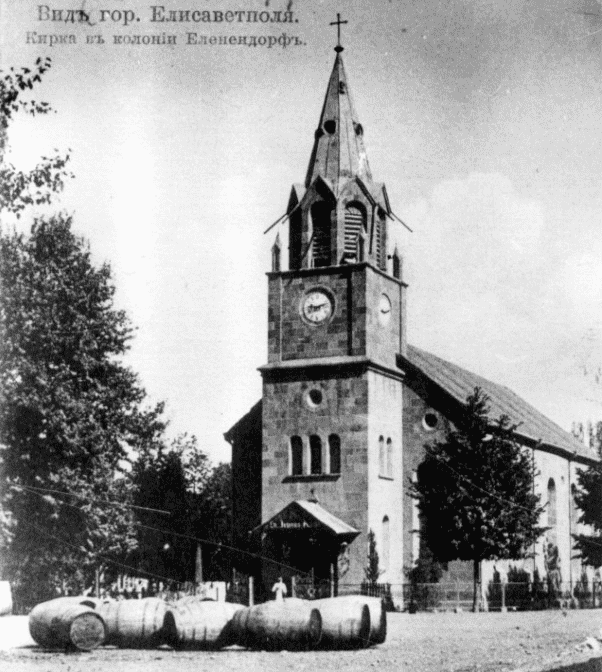
Foundation of the German colony in Helenendorf (Goygol)
Beginning in the late 18th century, the Caucasus region became a focal point of tsarist settlement policy aimed at suppressing Turkic and other Muslim populations, promoting Christianization, and resettling the area with individuals of European Christian heritage. In the 1770s and 1780s, tsarist Russia occupied much of the North Caucasus, initiating the settlement of German colonists in the region. Germans settled predominantly in the Don military district, Kuban, North Dagestan, Chechnya, Azerbaijan, and Georgia. Germans were displaced from their homeland due to the Napoleonic Wars in the early 19th century and rising taxes, particularly affecting the southern region of Württemberg.

Renowned architect of Baku Józef Gosławski
Józef Vikentyevich Gosławski was born in 1865 into a noble family in Warsaw, Poland. After moving to Saint Petersburg in his youth, Gosławski pursued studies in civil engineering and architecture, successfully graduating in 1890 from the Saint Petersburg Institute of Civil Engineers named after Nicholas I. Recognizing his exceptional talent and technical abilities, he was subsequently assigned to the Technical Construction Committee of the Ministry of Internal Affairs of the Russian Empire.
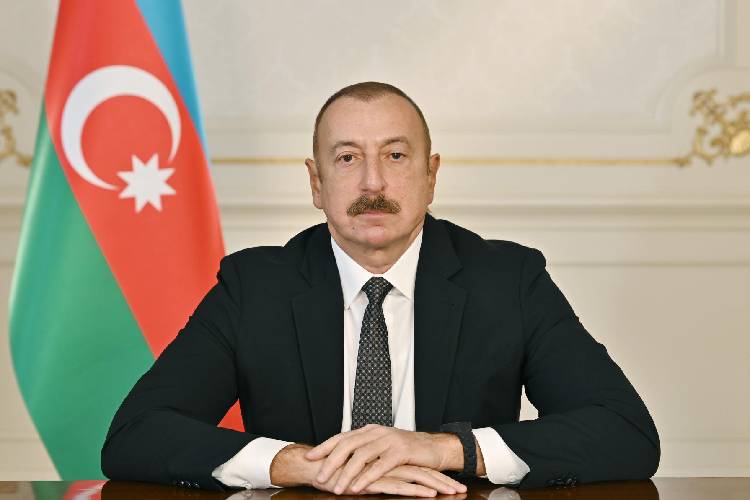
August 4, 2003: The beginning of a new chapter in the history of Azerbaijani statehood
In the history of the Azerbaijani state, there are decisions that signify not just a change in stages of governance, but a fundamental restructuring of the entire political architecture of the country. One of such pivotal moments was the extraordinary session of the Milli Majlis of the Republic of Azerbaijan on August 4, 2003, when Ilham Aliyev’s appointment as Prime Minister was ratified.

The outstanding representative of Azerbaijani visual arts Togrul Narimanbeyov
Togrul Narimanbeyov, a famous Azerbaijani artist was born on August 7, 1930 in Baku. He graduated from the Azerbaijani State Art School named after A. Azimzadeh in Baku (1950) and from the Lithuanian State Institute of Arts, Vilnius. In 1950 he began to participate in the many art exhibitions. He was elected to be a member of the Union of Artists of Azerbaijan (1955), awarded the title of Honored Artist of the Azerbaijan SSR (1964), the title of the People’s Artist of the Azerbaijan SSR (1967), winner of the State Prize of the USSR (1980) and the Azerbaijan State Prize (1974), awarded the title of the People’s Artist of the USSR (1989), the Orders of “Istiglal” (2000) and Honor (2010).