
August 4, 2003: The beginning of a new chapter in the history of Azerbaijani statehood
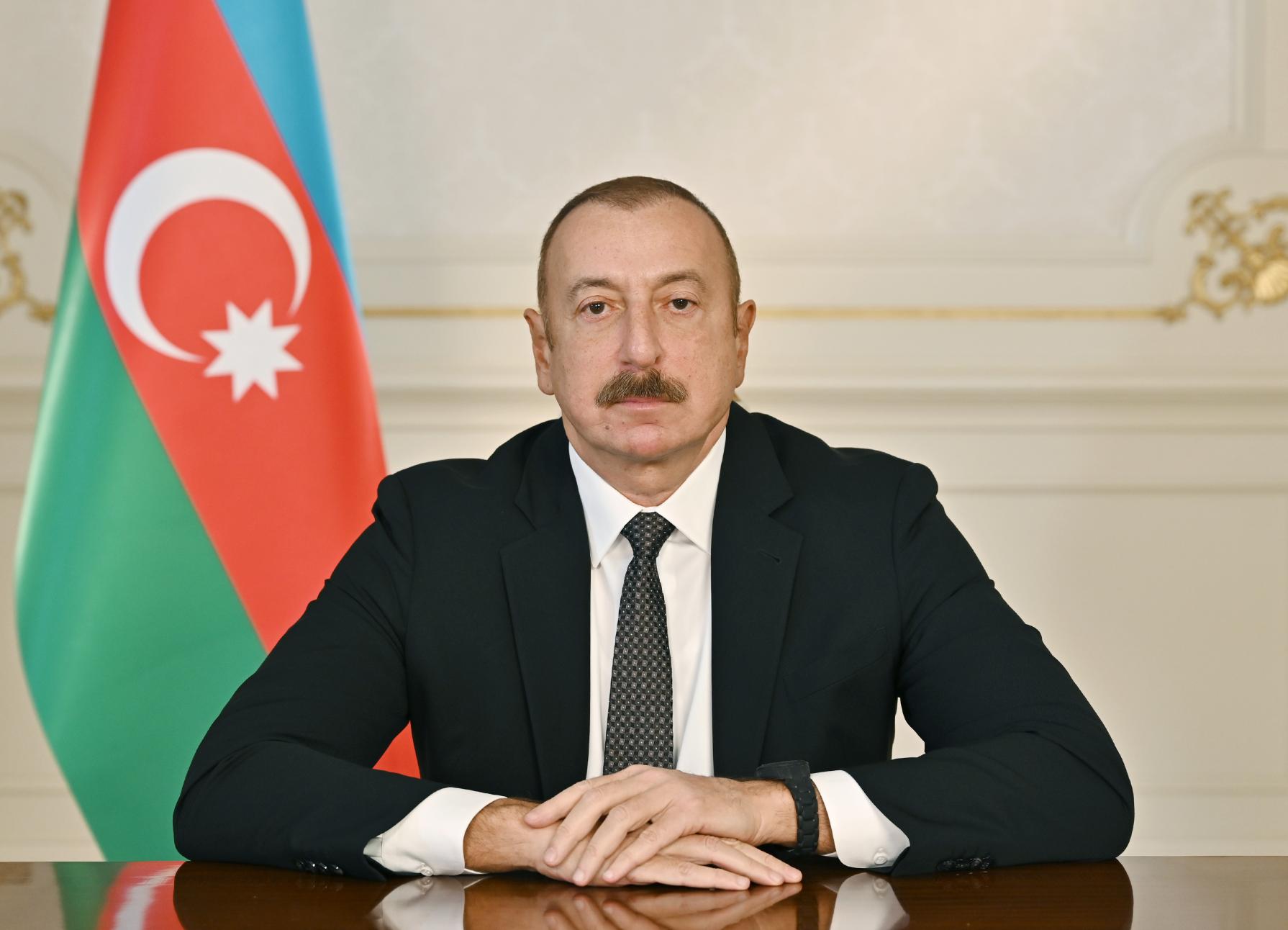 In the history of the Azerbaijani state, there are decisions that signify not just a change in stages of governance, but a fundamental restructuring of the entire political architecture of the country. One of such pivotal moments was the extraordinary session of the Milli Majlis of the Republic of Azerbaijan on August 4, 2003, when Ilham Aliyev’s appointment as Prime Minister was ratified. This decision should be viewed not just as a personnel reform in governance, but also as a transition of the national leadership concept to a new stage, demonstrating political continuity, strategic planning, and institutionalization of governance. Essentially, it was not merely a legal act defining administrative distribution of roles, but an example of strategic and political foresight that determined the future trajectory of Azerbaijan’s development.
The appointment of Ilham Aliyev as Prime Minister at that time was not a random or technical decision. This step was aimed at maintaining the principle of succession in state leadership and strengthening the foundations of a new generation of political leaders. By that time, Ilham Aliyev had already gained significant experience in both political and international diplomatic spheres. His work in the State Oil Company of Azerbaijan (SOCAR) showcased not only managerial skills in the economy but also a principled stance in defending national interests. The implementation of global energy projects, advancement of strategic initiatives within regional cooperation, and their successful realization held crucial importance in safeguarding Azerbaijan’s national interests on the international stage. At the same time, Ilham Aliyev’s work in the Parliamentary Assembly of the Council of Europe contributed to the promotion and defense of Azerbaijan’s just position at the international level.
Upon being appointed as Prime Minister, Ilham Aliyev began to play a more active role in governance, and this position became a strategic platform for his transition to more responsible positions in the future. This appointment was a forward-thinking decision aimed at ensuring stability, professionalism, and continuity in the national strategic direction of governance. Subsequent events, such as election of Ilham Aliyev as President of Azerbaijan in October of the same year and the multi-faceted reforms implemented under his leadership once again confirmed the correctness and historical significance of this step.
Today, the rewards of that decision in 2003 are evident in the development of the Azerbaijani state, the restoration of territorial integrity, the achievement of economic security, and the strengthening of regional leadership. During Ilham Aliyev’s presidency, the political map of Azerbaijan has changed: Karabakh and Eastern Zangazur have been liberated from occupation, a historic Victory was achieved in the Patriotic War, and a new geopolitical reality has emerged in the region. Along with the military victory, this success was also achieved in the diplomatic and informational spheres due to a flexible management strategy and visionary political leadership.
In the economic sphere, fundamental changes have taken place in Azerbaijan. The country has transformed not only into an oil-producing nation but also into a transit, transportation, and energy security center. With a leading role in strategic projects such as TANAP, TAP, Baku-Tbilisi-Ceyhan, and Baku-Tbilisi-Kars, as well as hosting international events like COP29 in Baku, Azerbaijan’s international image has been altered. Under the leadership of Ilham Aliyev, Azerbaijan has become an independent player in the diplomatic arena, firmly defending its interests in a neutral and multipolar world order.
All these facts indicate that the decision made on August 4, 2003, to appoint Ilham Aliyev as Prime Minister was an expression of political will aimed at continuity, stability, and professionalism in state governance and a strategic vision for the country’s future. On one hand, this decision paved the way for the integration of a new generation into political leadership, while on the other hand, it ensured the necessary unity in governance to protect and strengthen independence. History has proven that this visionary step was not just a transition but also the beginning of an ascent.
Recommended literature:
- Siyasət zirvəsində / tərt. E. Nəsibov ; elmi red. S. M. Qəndilov. - Bakı : Yurd NPB, 2004. - 439 s.
- İlham Əliyev: Heç bir təzyiq məni öz yolumdan çəkindirə bilməz / Ana Vətən Partiyasının Siyasi Araşdırmalar Mərkəzi və Mətbuat Xidməti ; bur. məsul F. R. Ağamalı. - Bakı : OSKAR NPM, 2003. - 236 s.
- Andriyanov, Viktor Ivanovich. Ilham Aliyev / V. I. Andriyanov, H. Miralamov ; penterj. V. Pogadayev. - w. c. : w. p., 2018. - 343 p.
- Wilson, Graeme. Ilham: Portrait of a President / G. H. Wilson ; ed. B. Saunders [et al.]. - London : Media Prima, 2011. - 520 p.