
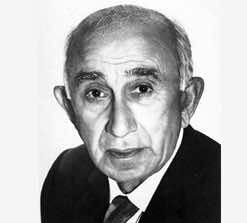
Prominent theater and cinema actor of Azerbaijan Ismayil Osmanli
Ismayil Osman oghlu Osmanli was born in Shaki on April 11, 1902 into a poor family. Orphaned at a young age, he could not receive a perfect education and had to work in a Shaki silk factory. Despite all the difficulties in life, his interest in acting inspired him to embark upon an artistic career. In 1920, he enrolled in the Workers and Peasants' Club drama group in Shaki. In his youth, he also performed on stage under the names "Ismayil Osman" and "Ismayil Osmanoghlu". Ismayil Osmanli moved to Ganja in 1922 and worked at an amateur theater for a while. In 1928, he was invited to the Tiflis Azerbaijan Drama Theater where his artistic development began.
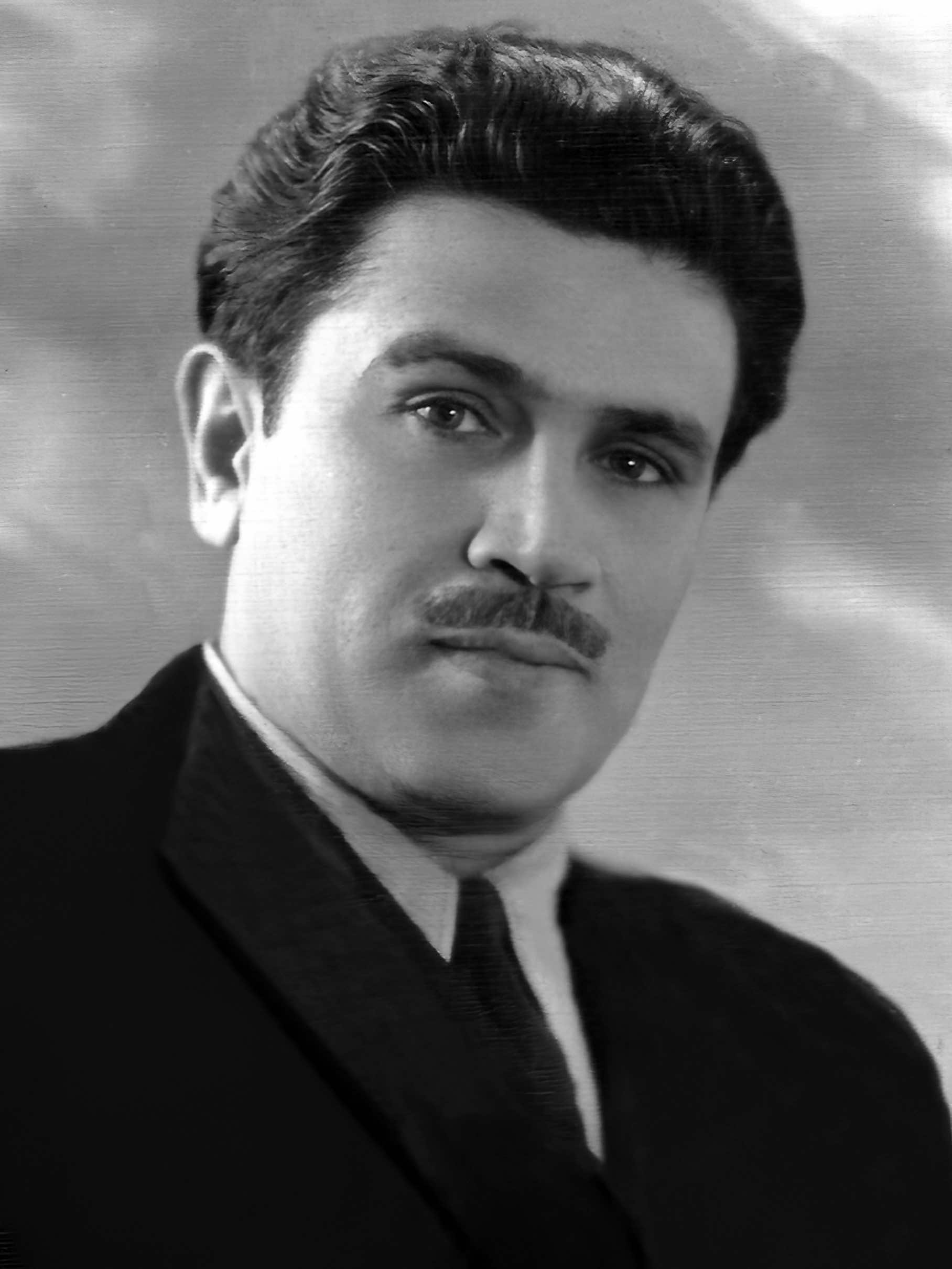
Prominent Azerbaijani composer Gambar Huseynli
Gambar Huseynli, a prominent composer of Azerbaijan, occupying a special place in the national musical heritage, was born on April 16, 1916 in the city of Ganja. The literary and artistic environment of Ganja and the musical world of Karabakh had a great influence on the formation of his outlook. Since his childhood Gambar was surrounded by people from the musical and poetic world, thanks to whom he got acquainted with the poetry of Seyid Azim Shirvani, Sabir, Abbas Sahhat, Mohammad Hadi and many others. Possessing a good memory, he spent hours memorizing his favorite poems.
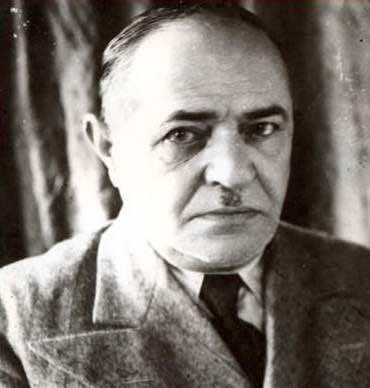
Prominent composer of Azerbaijan Zulfugar Hajibeyli
The prominent composer, author of the first Azerbaijani operetta, and Honored Art Worker Zulfugar Hajibeyli was born on April 17, 1884, in the city of Shusha. His father worked as a scribe for the Azerbaijani poetess and the daughter of the last Khan of Karabakh, Khurshidbanu Natavan, and his mother was one of her close associates. The Hajibeyli family consisted of three sons and two daughters (Sayadin, Abuhayatin). Zulfugar's brothers were the Azerbaijani composer Uzeyir Hajibeyli and the publicist Ceyhun Hajibeyli, who served as an advisor in the delegation sent by the Azerbaijani Republic to the Paris Peace Conference (1919-1920).
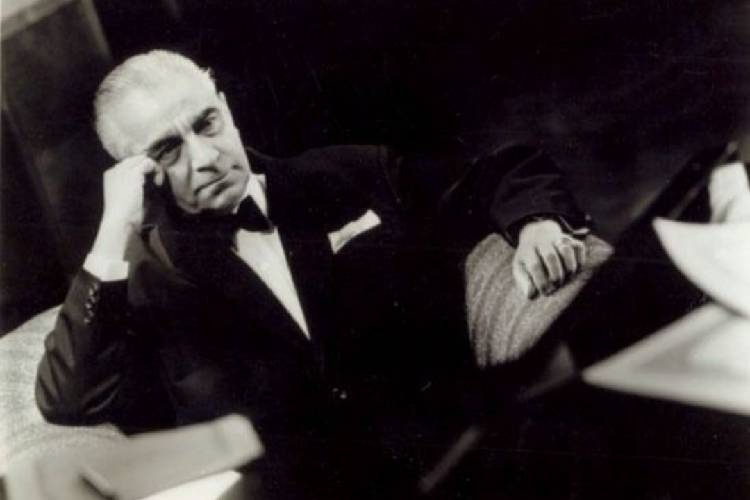
Prominent composer of Azerbaijan, Afrasiyab Badalbeyli
Afrasiyab Badalbeyli was born on April 19, 1907, in the family of the national enlightener Badalbey Badalbeyov in the city of Baku. His father, who dedicated his life to the cause of popular education, came from a hereditary noble family of Karabakh ancestry. His mother, Rahima Khanim, was the representative of Shah Qajar’s well-known genes. In 1912, Afrasiyab Badalbeyli went to Russian-Muslim school № 6, and in 1916, he left graduated the school with distinction. Between 1917 and 1924, he continued his education at the 1st Real School in Baku.
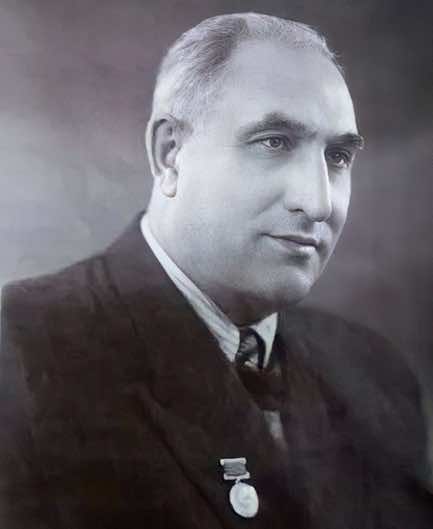
Prominent theater and cinema director of Azerbaijan Rza Tahmasib
Talented director and People’s Artist Rza Abbasgulu oghlu Tahmasib, one of the unique creators of theatre and cinema art of Azerbaijan, was born on April 20, 1894 in Nakhchivan. Rza Tahmasib, who lost her mother at a young age, was educated and brought up by her father Abbasgulu bey, one of the famous merchants of his time,and also aunt and grandmother. In 1901, Rza Tahmasib studied at the “Pedagogical School” opened by Mammadtaghi Sidgi and learnt Russian, Arabic, Persian, history and geography. Five years later he graduated from this school and entered the three-class city school of Nakhchivan.
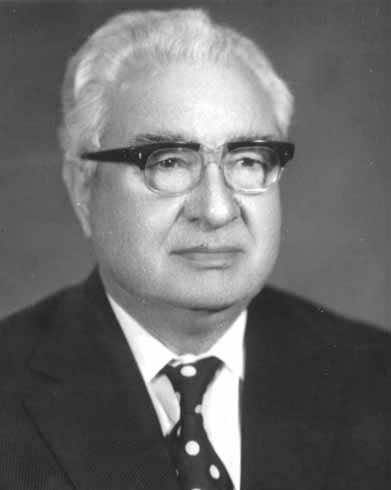
Academician Alashraf Alizadeh
An outstanding scientist and geologist Alashraf Abdulhuseyn oglu Alizadeh was born on April 24, 1911 in Shamakhi. In 1924 Alashraf Alizadeh finished Baku school with first degree, went to school number 18 with pedagogical bias. After finishing secondary school, he was appointed director of the school in Zergerli village of Khizi region of Azerbaijan SSR. He worked here for the period 1928/1929 academic year. In the 1929/1930 academic year, he taught in "Abolishment of literacy" in the village of Surakhani.
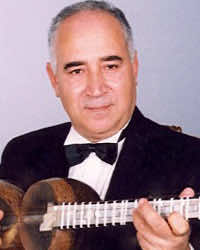
People's Artist of Azerbaijan, tar player Ramiz Guliyev
Ramiz Ayyub oghlu Guliyev was born on April 30, 1947 in Aghdam. In 1954, he entered Aghdam city 7-year music school, and from 1960 he continued his education in Aghdam secondary music school named after Uzeyir Hajibeyli. In 1964-1969, he studied at the Azerbaijan State Conservatory named after U.Hajibeyli, specialising in string orchestra and conducting. During his studies at the Aghdam Music School he participated in many competitions and festivals as a member of the folk instruments ensemble “Shur”, and in 1961 he joined the All-Union Exhibition of Achievements of National Economy in Moscow, and was awarded medals and certificates of honour.
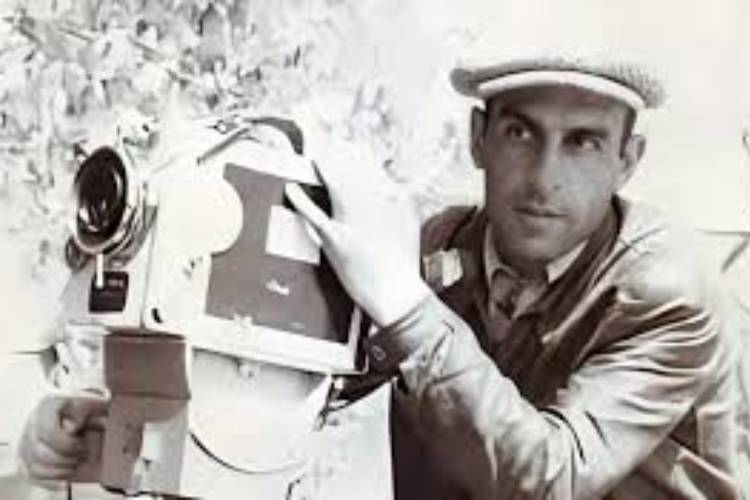
Arif Narimanbeyov – A prominent representative of the Azerbaijani cinematography school
Arif Amirbey oghlu Narimanbeyov, a distinguished cinematographer and Honored Art Worker of Azerbaijan, holds a significant position in the history of Azerbaijani cinema. He is recognized for his unique creative style and high professionalism, establishing himself as one of the leading figures in national cinematography. Arif Narimanbeyov was born in Baku on April 13, 1918, into an educated family. His father, Amirbey Narimanbeyov, served as the governor of Baku during the Azerbaijan Democratic Republic. However, in 1918, like many intellectuals of his time, he was brutally executed on Nargin Island.