
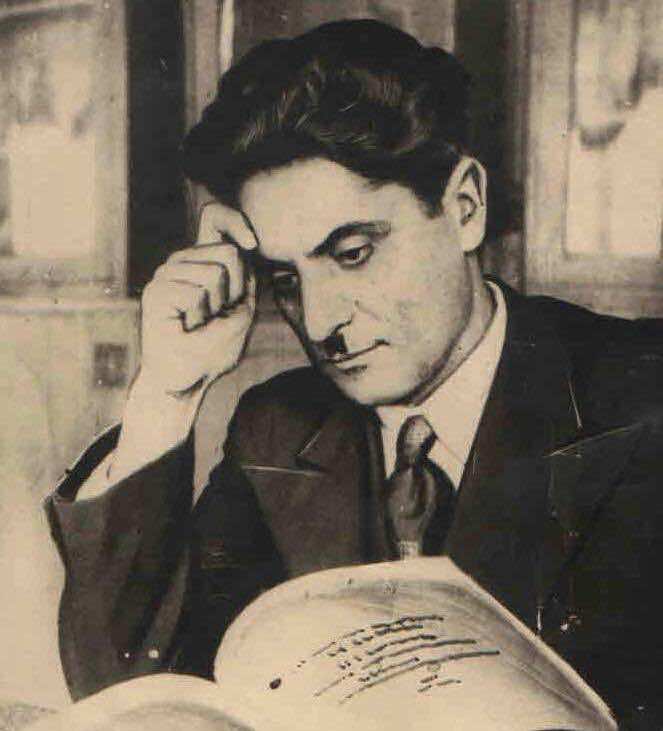
Outstanding philosopher Heydar Huseynov
Heydar Huseynov was born on April 3, 1908, in Irevan, in the family of Haji Najaf Kerbalai Huseyn. After his older brother was brutally murdered by Armenians in 1918, the family first moved to Batumi, then to Stavropol and finally to Baku. In 1927-1931 he was a student of the Oriental and Pedagogical Faculty of the Pedagogical University, where mastered Arabic and Persian languages perfectly, and leter graduated from the correspondence department of the Faculty of Social Sciences of the Azerbaijan State University.
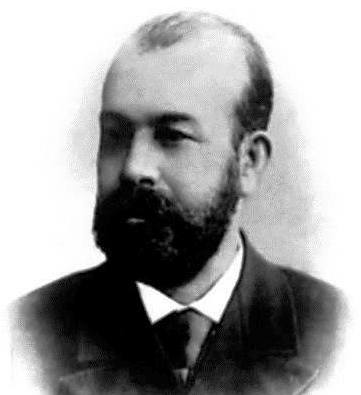
Well-known millionaire, oil magnate Shamsi Asadullayev
Shamsi Asadullayev was born into a poor family. In his youth, he was a carrier and carried agricultural products. In 1874 he opened an office, with little capital, for the extraction of oil, which worked with primitive methods. But in 1893, this small office, already working on the new technological methods, became the “Shamsi Asadullayev” oil producing company, which was one of the 12 leading oil companies, producing about 60% of Baku oil. He is the first among the Baku oil producers, who in 1891 began to transport oil across the Caspian Sea by means of steam vessels. In 1895, a large fountain was clogged on the newly acquired site, which lasted 56 days.
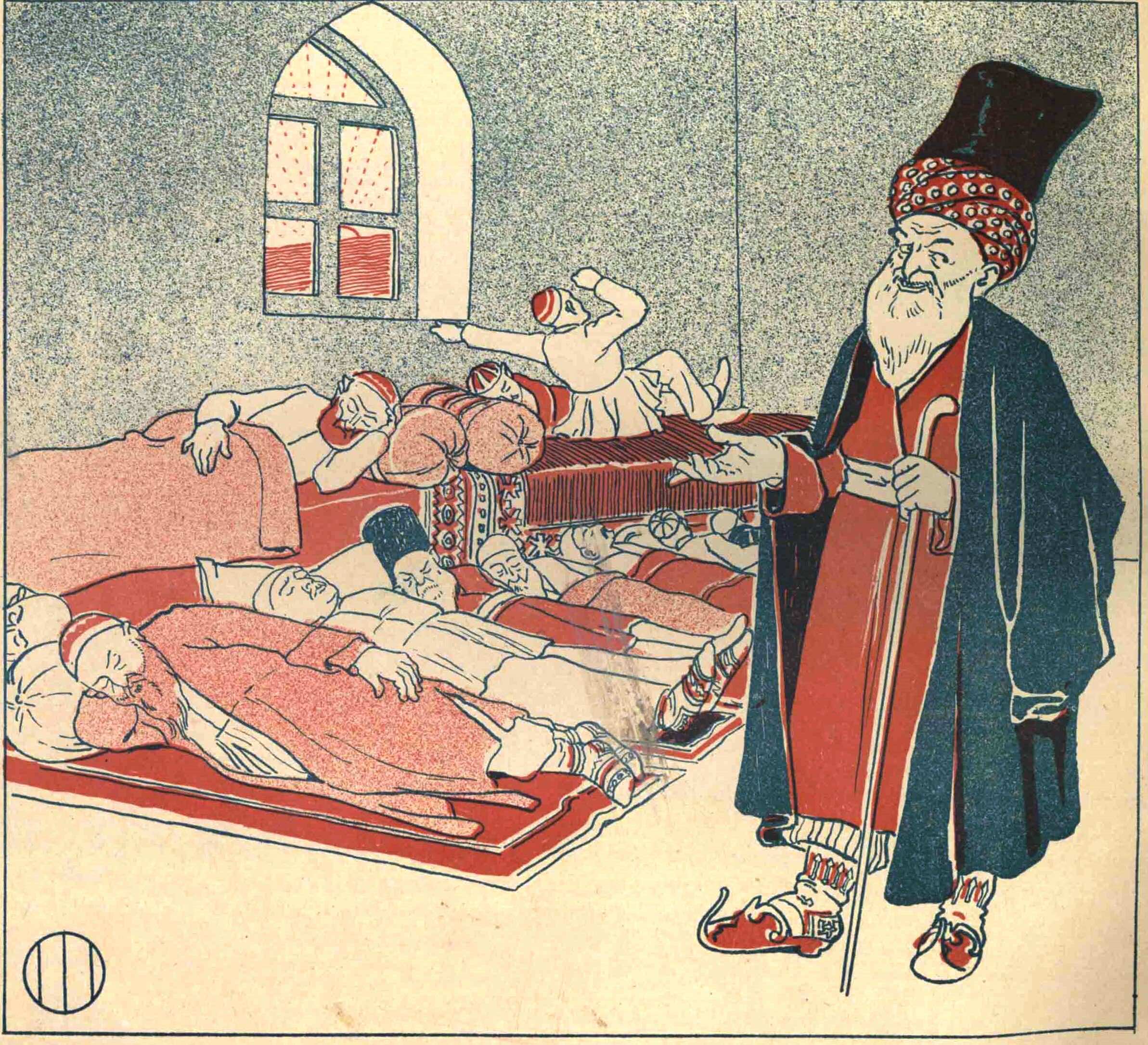
Publication of the first issue of "Molla Nasraddin" journal
"Molla Nasreddin", the first weekly-illustrated satirical magazine," appeared at the beginning of the 20th century, in the difficult socio-political conditions of Azerbaijan. "Molla Nasreddin" had a great impact on the development of the democratic press in Azerbaijan and in a very short time became the most widely read publication not only in Azerbaijan, but also in all countries of the Near and Middle East. On February 21, 1906, Jalil Mammadguluzadeh appealed to the Governor-General of Tiflis (now Tbilisi) requesting permission to publish a weekly satirical-humorous magazine in Azerbaijani called "Molla Nasreddin".
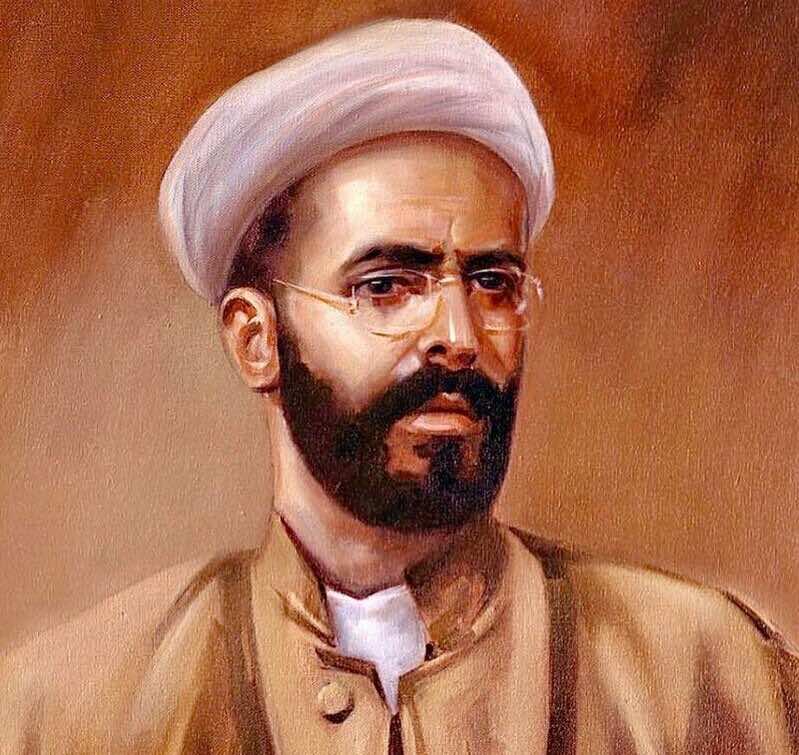
National liberation movement in South Azerbaijan (1917-1920)
The overthrow of tsarism in Russia as a result of the February Revolution gave great hopes to the inhabitants of South Azerbaijan. The fall of tsarism, as a pillar of the Iranian regime, was perceiveof people and democratic forces as a weakening of Tehran's power in the regions, including South Azerbaijan. The Azerbaijan Provincial Committee of the Iranian Democratic Party (IDP) led the protests of the population. The Committee was headed by Sheikh Mohammed Khiyabani, hardened on the barricades of the Iranian Revolution (1905-1911). The local committees were established in Sarab, Ardabil, Zanjan and Urmia.
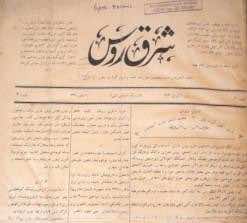
"Sharqi-rus" - the first Azerbaijani-language newspaper published in Tbilisi in the 20th century
In 1891, by order of the governor of Tiflis, the publication of the newspaper "Keshkul", the only printed organ in the Azerbaijani language was closed, the intelligentsia tried to directed their efforts to publishing a new newspaper in the native language. But, unfortunately, on the appeals of Kemal Unsizade, Ahmet bey Agaoglu, Nariman Narimanov and Sultan Majid Ganizade to the Caucasian vicegerency were given a negative answer. Among the applicants was Mammad-aga Shahthkly. Mammed-aga Shakhtakhly, returning in 1902 from abroad to Russia, is considering a project publish a new newspaper.
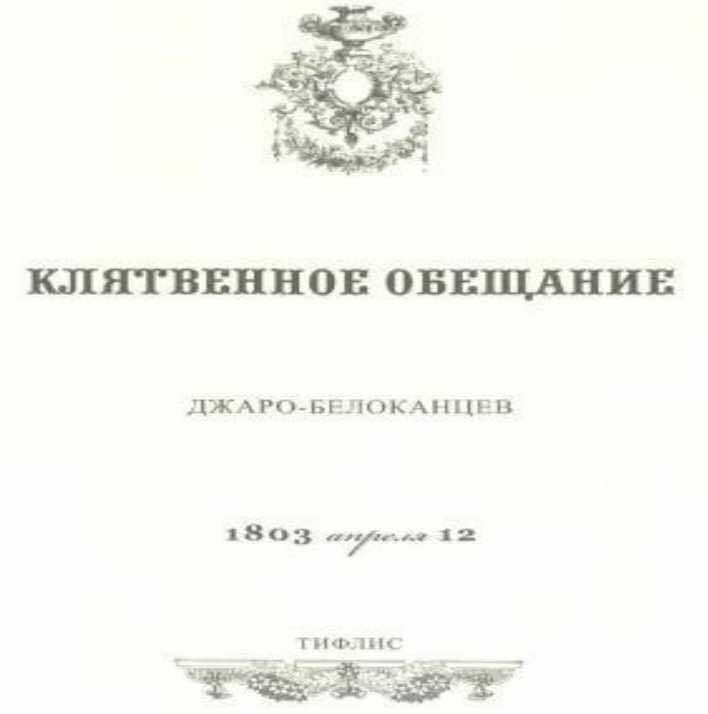
Occupation of Jar-Balakan Community by Russia
Jar-Balakan jamaats (free societies) differed from other feudal khanates on the territory of Azerbaijan in terms of governance, ethnic diversity and success in wars. The process of establishing these societies began in the 14th century. Prior to this period, separate communities had already begun to form in this region, which helped to form jamaats. In the 16th century, these communities began to unite in jamaats - free societies. Jar-Balakan jamaats, formed in the middle of the 16th century, became completely independent at the beginning of the 17th century. At the end of the 18th century, Russia became a real threat to Jar-Balakan.
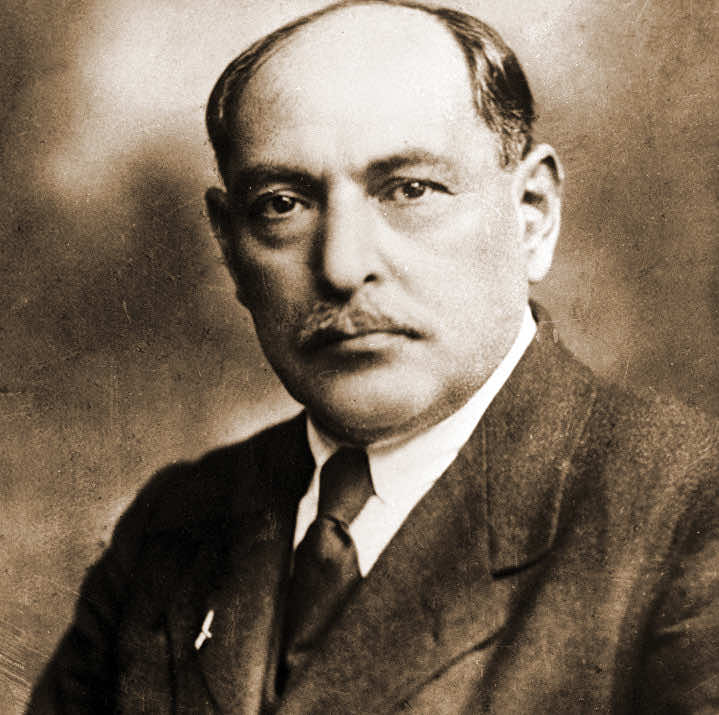
Prominent statesman Nariman Narimanov
Nariman Najaf oglu Narimanov was born on April 14, 1870 in the famous Sheitanbazar part of Tiflis. His father, Karbalayi Najaf, was a religious man and was engaged in petty trade. Nariman was the youngest of 9 children in the family. N. Narimanov studied at a six-grade religious school in Tiflis. In 1890, after graduating from the Gori teacher's seminary, he was appointed a teacher in the village of Gyzylgadzhily, Borchali district, Tiflis province. In 1891 he returned to Baku and began teaching. In 1894, for the first time in Baku, he opened a public available reading room for the Turkic-Muslim population.
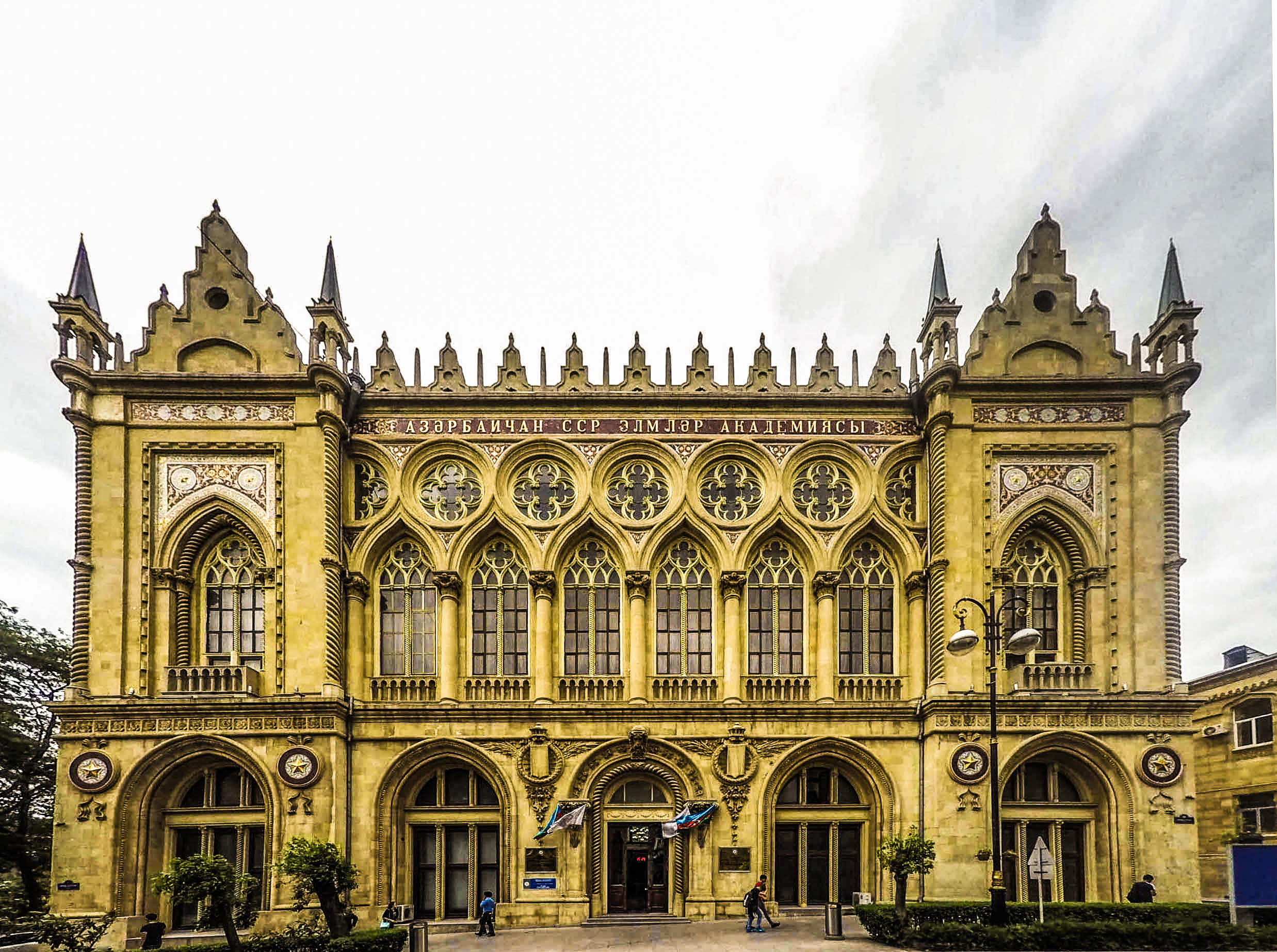
Baku Congress of Caucasian Muslims
After the February revolution, all political parties in Azerbaijan became legal, new political parties ("Turk Ademi Merkeziyyet Party", "Irshad") were formed. However, in the early days of the revolution, none of these parties was able to lead the national movement alone. Therefore, on March 29, 1917, in order to manage all national and political forces from one center, a temporary council of Muslim public organizations was established with branches in Baku and other provincial cities - the Baku Muslim Public.
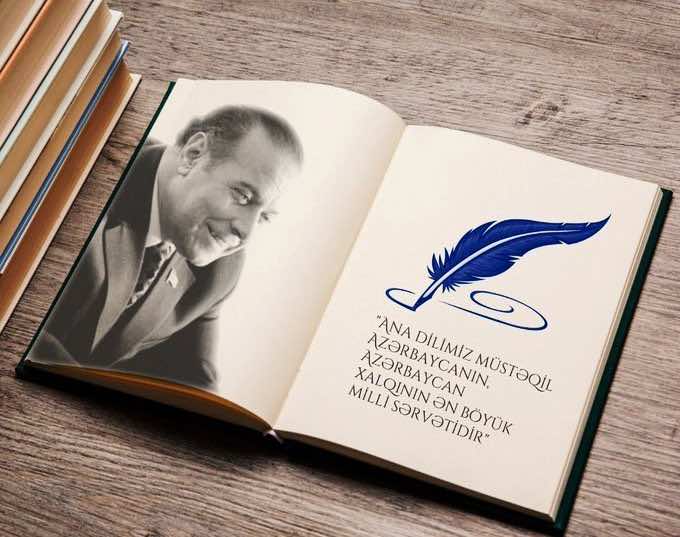
Approval of the Azerbaijani language as the state language in the Constitution of the Azerbaijan SSR
The history of the constitutional framing of the Republic of Azerbaijan mainly coincides with the period when it was part of the USSR. The first Constitution of Azerbaijan was adopted on May 19, 1921, and the new edition adapted to the Constitution of the USSR was adopted on March 14, 1925. On March 26, 1927, the next Constitution of the Azerbaijan SSR was approved at the Fifth All-Azerbaijan Congress of the Soviets. In connection with the adoption of the new Constitution of the USSR in 1936, on March 14, 1937, the new Constitution of the Azerbaijan SSR entered into force by the decision of the 9th All-Azerbaijan Congress of Soviets.
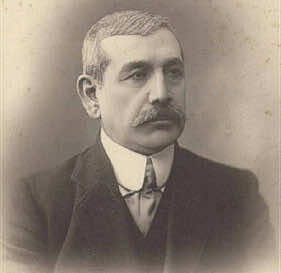
Oil millionaire and famous philanthropist Murtuza Mukhtarov
Murtuza Mukhtarov, a prominent representative of the oil industry, a major oil entrepreneur and philanthropist, was born in 1865 in the village of Amirjany, in the suburbs of Baku, in the family of a coachman. For a long time he worked as a plasterer, carried oil on carts, and was engaged in small contracts. Since 1870, he worked at one of the mines in the villages of Balakhany-Zabrat. Noticing a capable, hardworking young man, the owner of the oil field, Martov, taught him the secret of mechanical tools and oil-producing machines. Soon Mukhtarov becomes a master. Subsequently, Martov sells his private workshop to Murtuza.