
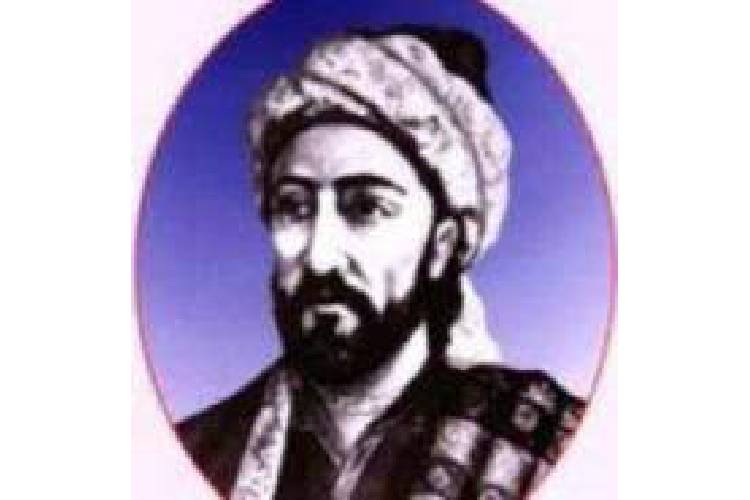
The prominent Azerbaijani poet Alijan Qovsi Tabrizi
Alijan Qovsi Tabrizi, an Azerbaijani poet who lived in the late 16th and early 17th centuries, was born in 1568 in Tabriz into a family of craftsmen and poets. He received his initial education from his father, later studied in Isfahan, and after completing his education, returned to Tabriz where he served as a religious figure. Qovsi Tabrizi wrote his works in both Persian and Azerbaijani Turkish. In his poetry, the poetic features of the classical style are harmoniously combined with the simplicity and sincerity characteristic of folk poetry. The poet expressed his ideas clearly, made extensive use of colloquial language in his poems, and frequently referenced folk sayings and proverbs.
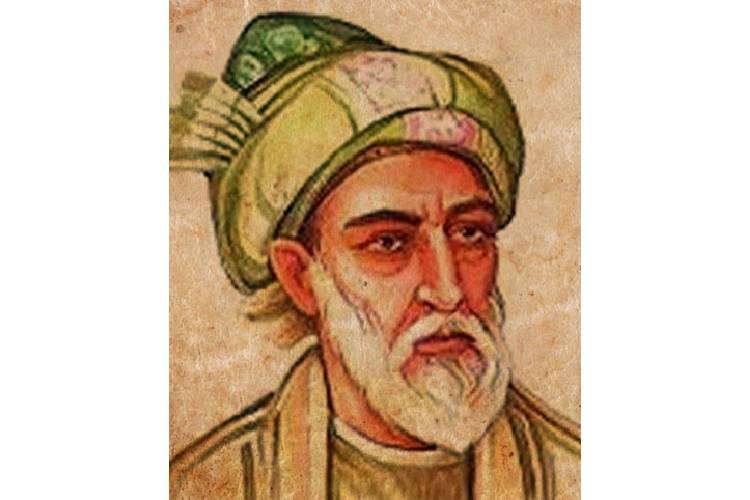
Saib Tabrizi — one of the most renowned figures of classical Azerbaijani literature
Among the most eminent poets of the seventeenth-century East stands Saib Tabrizi, the author of exquisite verses in both Azerbaijani and Persian. Mirza Mahammad Ali Saib Tabrizi was born in 1601 in the city of Tabriz, where he also received his elementary education. His father, Mirza Abdurrahim, was a merchant who, according to the noted biographer Nasrabadi, enjoyed great respect. His paternal grandfather, Shams al-Din Mahammad Tabrizi, was a highly skilled calligrapher, known throughout the Eastern world by the epithet “Qalami-shirin” (“Sweet Pen”). At the end of the sixteenth century, during the reign of Shah Tahmasib, Tabriz was occupied by the Ottomans.
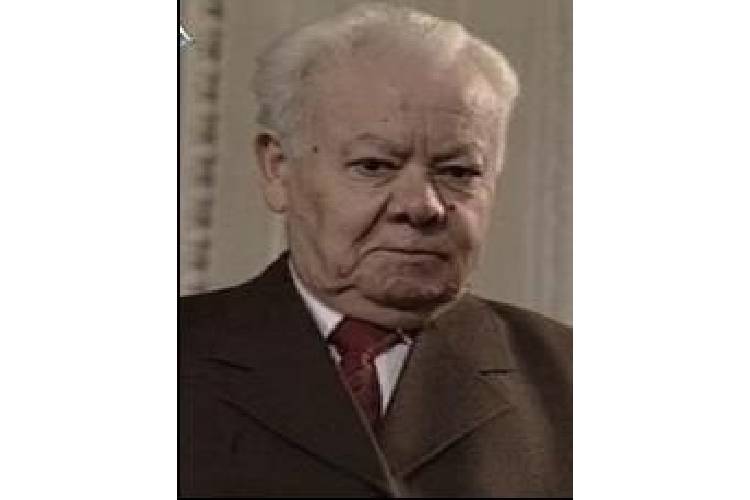
Academician Fuad Gasimzadeh
Fuad Feyzulla oghlu Gasimzadeh was born on October 22, 1929, in Baku. After graduating from high school with a gold medal, he studied at the Faculty of History at Azerbaijan State University from 1947 to 1952, in the philosophy department. He completed his higher education with honors in 1952 and enrolled in the university's postgraduate program in philosophy. Fuad Gasimzadeh began his career in 1953 while still attending the graduate program at Azerbaijan State University. He dedicated his life to this institution, serving as a teacher, senior teacher, associate professor, and professor from 1955 to 1967, and as the department chair from 1966 until his passing.
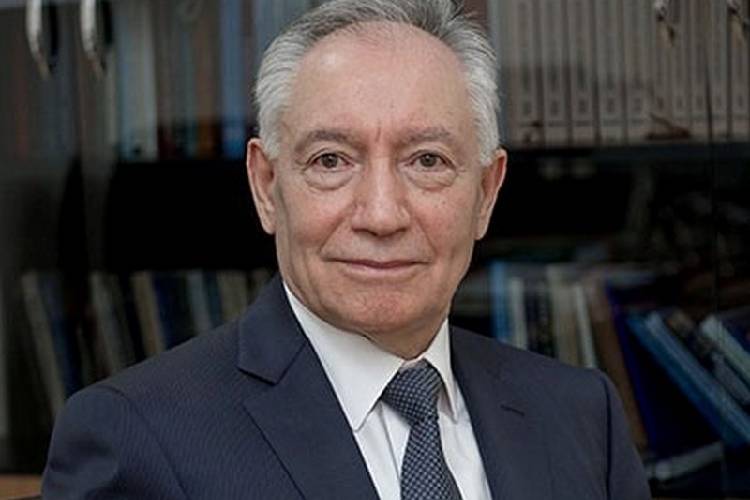
Renowned scientist and specialist in the field of Tribology and Tribotechnics — Ahad Janahmadov
Ahad Khanahmad oghlu Janahmadov was born on October 23, 1946. He is one of the distinguished scholars who has made significant contributions to the development of engineering science in Azerbaijan, particularly in the fields of tribology and tribotechnics (tribology is the science that studies the interactions of friction, wear, and lubrication; tribotechnics is the applied field that utilizes this science to control these processes in the design of technical systems and mechanisms). After graduating from the Azerbaijan Institute of Oil and Chemistry in 1969, Janahmadov demonstrated his commitment to engineering science from the very beginning of his career.
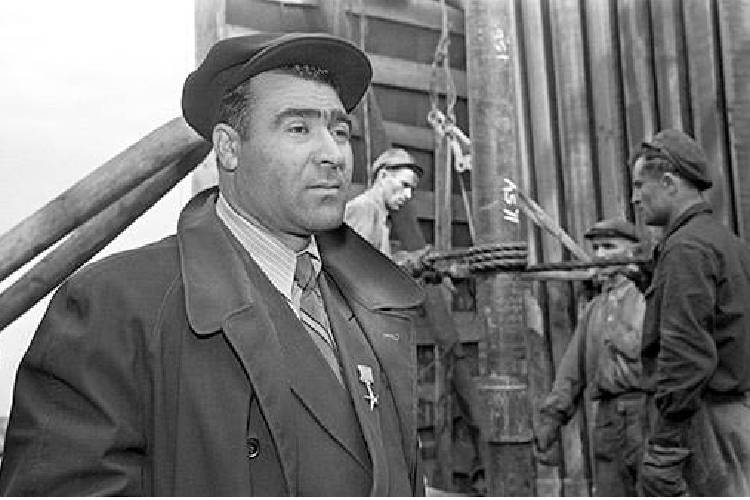
The renowned oil worker Qurban Abbasov (Neftchi Qurban)
Qurban Abasgulu oghlu Abbasov, a prominent oilman known among the people as “Neftchi Qurban”, was born on October 26, 1926, in the village of Payiz of the Babek district of the Nakhchivan Autonomous Republic. Qurban Abbasov began his professional career in 1944 as a worker in the “Artyomneft” trust. He later worked as a driller and rig supervisor in the drilling department of the “Azerneft” Union, and in subsequent years, he held the position of head of the northern drilling division of the “Gurganneft” Oil and Gas Production Department. Continuing his professional career, he graduated from the Azerbaijan Institute of Oil and Chemistry, majoring in Drilling of Oil and Gas Wells.
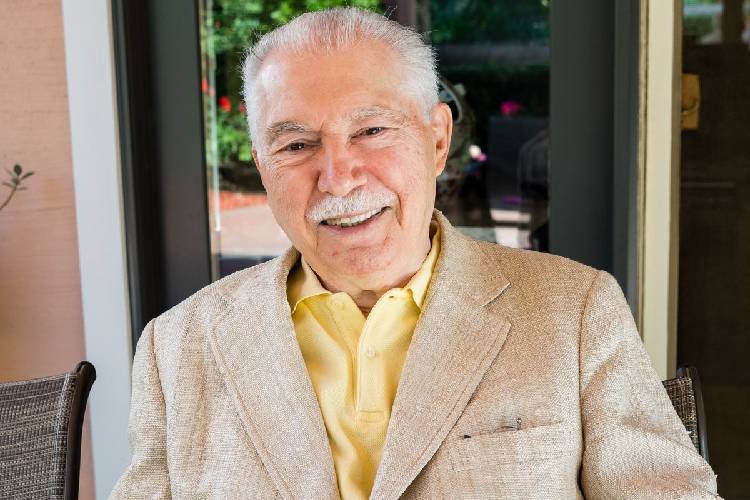
Firuz Kazimzadeh, a prominent American historian and professor at Yale University
Firuz Kazemzadeh, an American historian and Professor Emeritus of History at Yale University, was born on October 27, 1924, in Moscow. He received his early education in Moscow. Later, after moving to the United States, Kazemzadeh pursued higher education at Stanford University (1944). In 1946, he graduated from the university with honors, and a year later, he was admitted to the graduate program at Harvard University. In 1950, he defended his doctoral dissertation on Russian history at Harvard University and worked at the same institution until 1956. At the age of 27, Firuz Kazemzadeh published his first book “The Struggle for Transcaucasia (1917–1921)” in 1951.
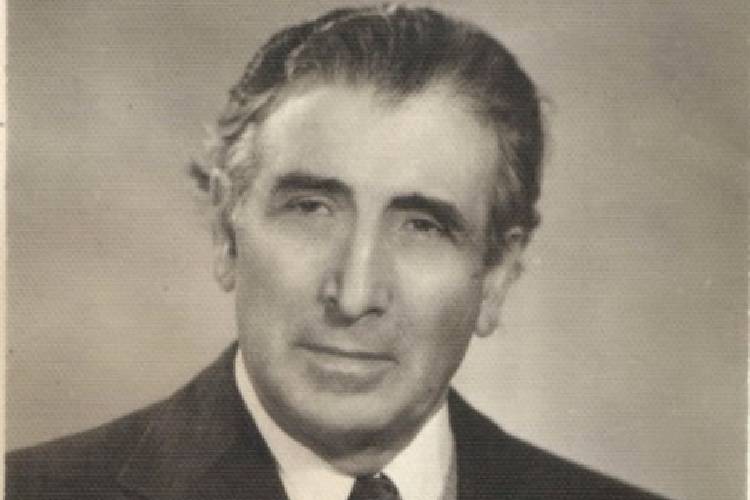
Mirza Ibrahimov, People’s Writer of Azerbaijan and academician
People's writer, playwright, and social figure Mirza Azhdar oglu Ibrahimov was born on October 28, 1911 in a village near Eva, Serab district of Southern Azerbaijan. In the 1926-1930s, he studied and worked at the school of the Balakhani factory. For artistic creativity began with membership in the Zabrat circle of literary work. The first poem "Drilled well" by M.Ibrahimov was published in 1930 in the book "The April fire." In 1932, for the study of the rate of development of major construction projects and socialist industry was on a visit in Ukraine - Donbass mine, industrial enterprises Dnepropetrovsk, where he wrote a book of essays "The Land of the Giants".
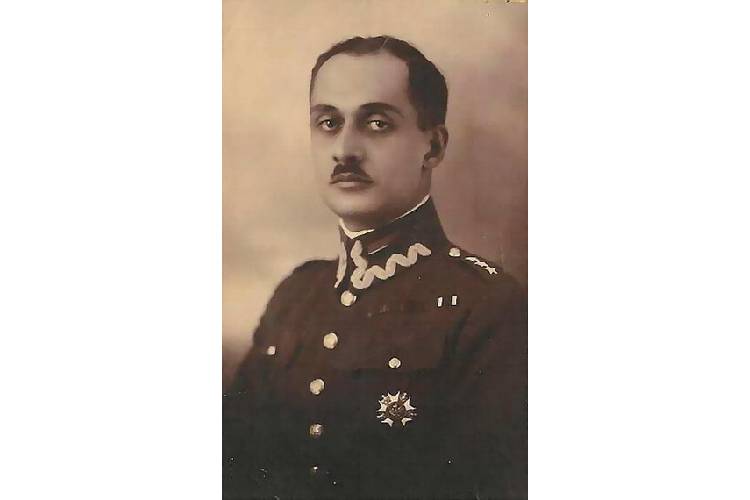
Veli bey Yadigarov, a prominent military figure of Azerbaijan
One of Azerbaijan’s prominent military figures, Veli bey Sadig bey oghlu Yadigarov, was born on October 31, 1898, in the village of Tekali in the Borchali district of the Tiflis Governorate, into a noble family. His father Sadig bey, who was related to the renowned Azerbaijani orientalist Mirza Jafar Topchubashov, enrolled his sons in military schools. Veli bey’s mother was Olga Koruchibasheva (also spelled Koruchubashiyeva), a Crimean Tatar by ethnicity but born in Poland. In 1909, Veli bey was admitted to the Tiflis Military Gymnasium, where he studied until 1916. From 1916 onwards, Veli bey began serving in the Cavalry units of the Separate Caucasus Corps of the Russian Empire.