
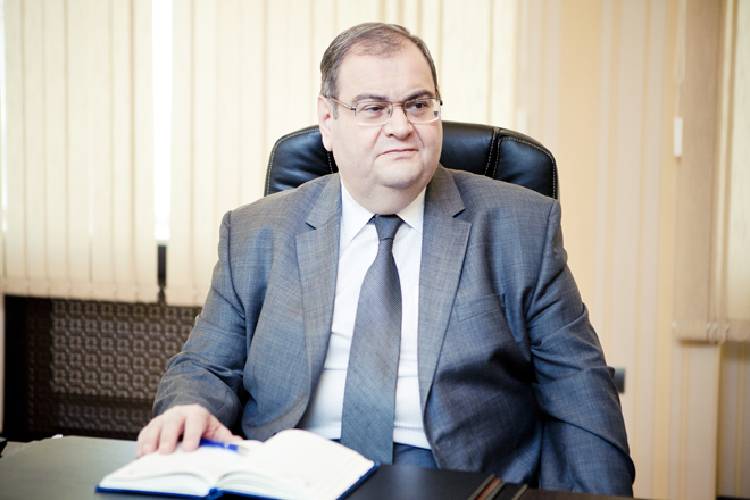
Eminent Film Director Jamil Guliyev
Azerbaijan's renowned film director, Jamil Elshad oghlu Guliyev, was born in Baku on July 3, 1963. He graduated from the directing faculty of the All-Union State Institute of Cinematography in Moscow in 1984, mentored by People's Artists of the USSR Alexander Alov and Vladimir Naumov. That same year, Jamil Guliyev began his professional career at the "Azerbaijanfilm" studio, where he gained recognition for the documentary and feature films he directed, both in Azerbaijan and on the international stage. His works have been showcased at festivals in France, Sweden, Turkey, Russia, Georgia, the Czech Republic, Romania, and other countries, receiving high praise.
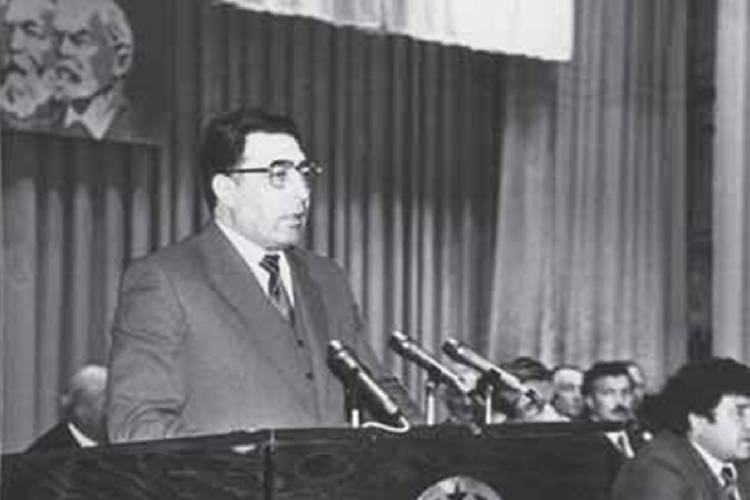
Eminent Scientist and Public Figure Kamran Rahimov
Kamran Nabi oghlu Rahimov, who made valuable contributions to Azerbaijani science, education, and public administration, was born on July 4, 1928, in the village of Garabaghlar in Kangarli district of the Nakhchivan Autonomous Republic. From an early age, his exceptional abilities and profound interest in science and knowledge determined his life path. Due to his academic achievements in early education, Kamran Rahimov was admitted to the History and Philology Faculty of the Nakhchivan Two-Year Teachers’ Institute. In 1945, he graduated from this institution with honors.
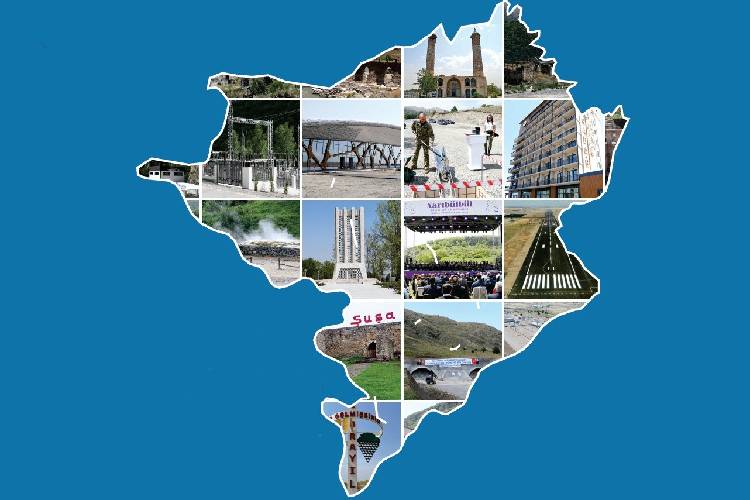
Restoration of Azerbaijan’s Economic Integrity: Karabakh and Eastern Zangazur
Through the July 7, 2021 Decree “On the New Division of Economic Regions in the Republic of Azerbaijan” issued by President Ilham Aliyev of the Republic of Azerbaijan, the country’s economic-geographical map was redrawn. This Decree is not merely an administrative-economic zoning document, but also serves as a strategic guide for comprehensive political, economic and social approaches to the liberated territories. The new zoning model represents both a logical continuation of systematic governance reforms implemented during Azerbaijan’s independence period and a response to the challenges of the post-war era.
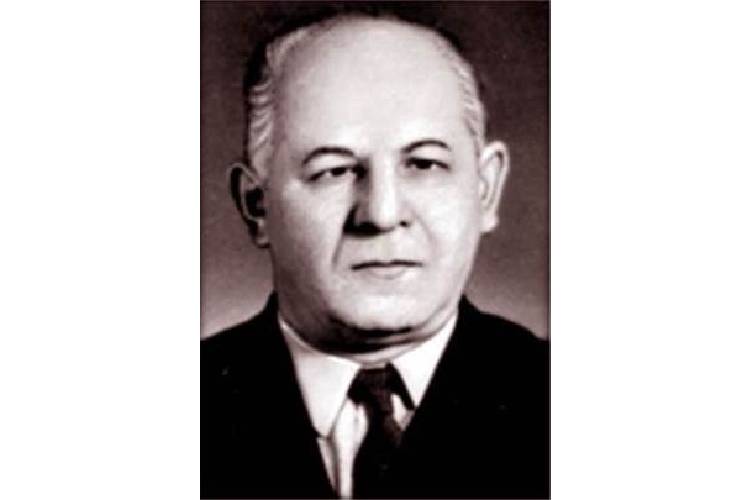
Eminent Linguist-Scholar Abdulazal Damirchizadeh
Corresponding member of Azerbaijan National Academy of Sciences Abdulezel Mammad oglu Demirchizade was born in Sheki in 1909. He received primary and secondary education in Sheki. After graduating from the Sheki Teachers Seminar, he began his career as a teacher at City School No 2 in 1925. His first article was published in the “New School” in that year. A.Demirchizade has shown great interest in artistic creativity in his youth, wrote poems, stories and essays. However, he was more interested in scientific work and, therefore, directed his entire activity to the field of scientific research.
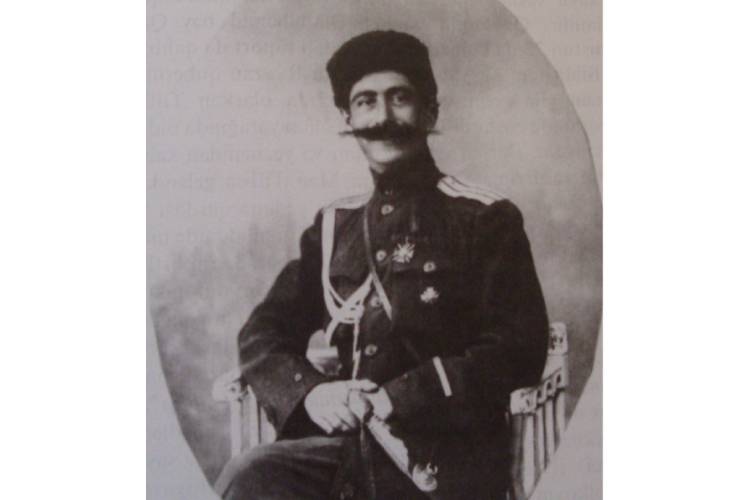
General Abdulhamid bey Gaytabashi
Abdulhamid bey Sharif bey oghlu Gaytabashi was born on July 10, 1884 in the city of Tiflis, into a military family. His father, Lieutenant Colonel Sharif bey Gaytabashi, served in the Tsarist army and was awarded the Order of St. Vladimir, the Order of St. Anna, and the Order of St. Stanislaus. Sharif bey also worked as a translator for Eastern languages in the Russian army. The roots of the Gaytabashi family trace back to the 18th century. Abdulhamid bey Gaytabashi’s great-grandfather, Abdulmajid bey, migrated from Istanbul to Tiflis in the late 1700s. After settling there, he began serving in the Tsarist Russian army.
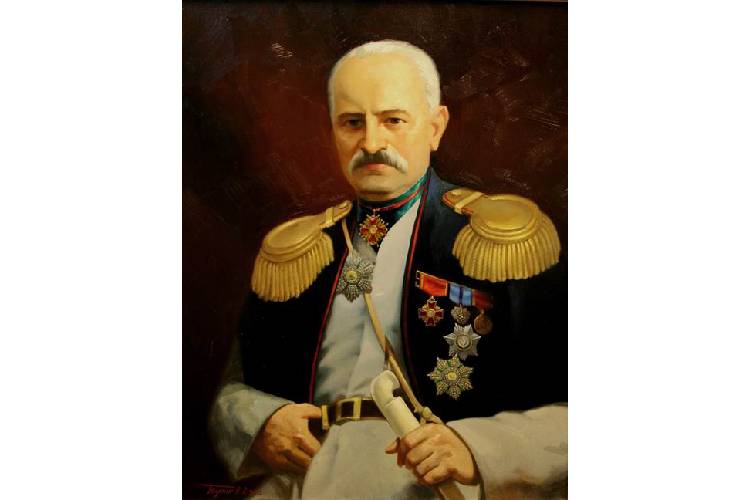
Famous writer, playwright, poet and philosopher Mirza Fatali Akhundzadeh
Mirza Fatali Akhundzade, writer-playwright, philosopher, public figure, founder of Azerbaijani dramaturgy, was born in 1812 in Sheki. His father Mirza Mammad Tagi and mother Nane khanum moved to Hamna settlement near Tabriz in 1814, from where he and his mother returned to Sheki in 1825. Fatali's maternal uncle, Akhund Haji Alesker, who wanted him to become a clergyman, brought him to Ganja in 1832 and arranged him in a madrasa near the mosque of Shah Abbas. Here M.F.Akhundzade took lessons of logic and jurisprudence from Mollah Huseyn Pishnamaz-zade, and also learnt calligraphy from famous Azerbaijani poet M.Sh.Vazekh. A close friendship soon developed between Mirza Shafi and his pupil.

Mirza Babayev: A Luminary of Azerbaijani Estrada Music
Mirza Babayev, People’s Artist of the Republic of Azerbaijan, laureate of the “Shohrat” Order, considered one of the founders of Azerbaijani national estrada music, was born on July 16, 1913 in the village of Mashtagha. Mirza Babayev’s father, Abdul Jabbar, was a renowned dentist of his time. Mirza Babayev’s mother, Sona Khanlarova, was a musician and accordion performer. From 1935 to 1940, Mirza Babayev studied at the Architecture Faculty of the M. Azizbeyov Industrial Institute (now Azerbaijan State University of Oil and Industry).
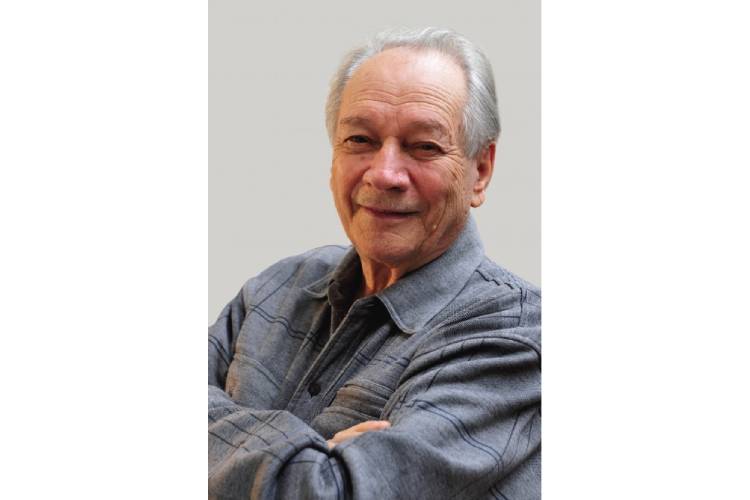
Tokay Mammadov: A Pillar of Azerbaijani Sculptural Tradition
Tokay Mammadov, a distinguished People’s Artist of Azerbaijan and sculptor, was born on July 18, 1927, in Baku. His father, Habib Mammadov was a Candidate of Technical Sciences, and his mother Ziver Mammadova, was the first female sculptor of the East. His passion for sculpture was inherited from his mother, and he received his first sculpting lessons from her. In 1942, he enrolled in the Baku Art School named after Azim Azimzade. After completing his third year at the Baku Art School, he moved to Leningrad and was admitted to the Sculpture Faculty of the I. Repin Academy of Arts.

Eminent Socio-Political and Statesman of Azerbaijan Hasan bey Aghayev
Hasan bey Meshadi Huseyn oglu Aghayev was born in Ganja, in 1875. A secondary education he got in a classical gymnasium of Ganja. Due to the patronage of Haji Zeynalabdin Taghiyev he entered the Moscow University, on medical faculty and graduated from the university with honors in 1901. At the same time with his medical activity Hasan bey published some articles in newspapers and magazines. On a commission from the organization “Hummet” his brochure "social estate, a class, a social stratum" was published in “Geyret” printing house of Jahleel Mammadguluzade, in Tbilisi (1906).
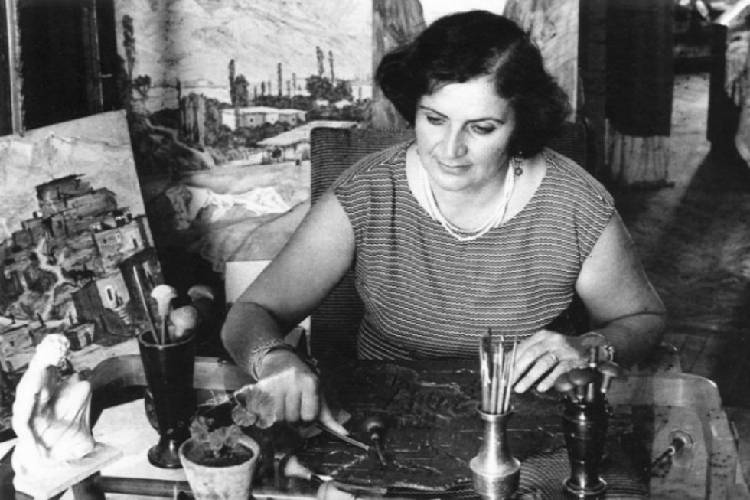
Renowned artist Maral Rahmanzadeh
Maral Yusif gizi Rahmanzadeh was born on July 23, 1916, in the village of Mardakan, into a jeweler’s family. The artist grew up in a creative environment alongside her brothers and sisters. In the family she was raised, ancient traditions of Azerbaijani art were carefully preserved and passed down from one generation to another one. In 1930, Maral Rahmanzadeh enrolled in the Azerbaijan State Art College, and later continued her education at the Surikov Moscow State Academic Art Institute. Upon graduating, she began working at the Moscow publishing house “Художественная литература” (“Art Literature”).