

Creation of the State Committee on Work with Diaspora
After Azerbaijan gained independence the diaspora building became one of the priorities of the state policy of the Republic of Azerbaijan. The purpose of this policy, laid down by the national leader Heydar Aliyev, is to develop relations between the Azerbaijanis of the world and their historical Motherland, preserve the national identity of our compatriots, use the potential of the diaspora towards more reliable protection of our national interests, to expand inter-diaspora ties, to protect our cultural and political rights.
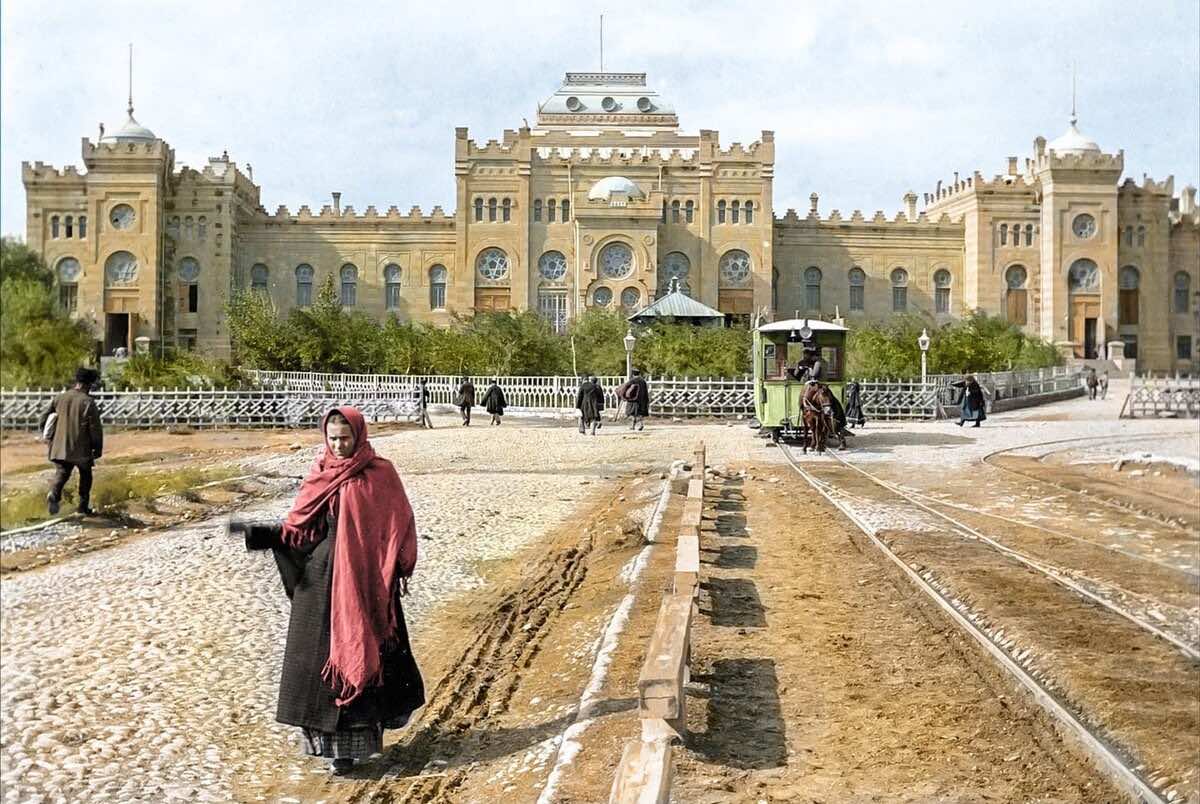
Launch of the first electrified railway in the territory of the former USSR (Baku-Sabunchi-Surakhani)
The building and growth of Azerbaijan's first railway were closely tied to oil transportation. The presence of oil in Absheron has been known since ancient times. Baku oil was extracted unorganized for a long period and used mainly for lighting and medicinal purposes in Azerbaijan, Middle and Central Asian countries, Russia, and India where it was exported. The first drilling well in 1871 and subsequent advancements in drilling technology led to a significant increase in oil production, particularly after the abolition of the purchase system in the early 1870s. The need to enhance oil transportation became critical amidst a surge in oil production.
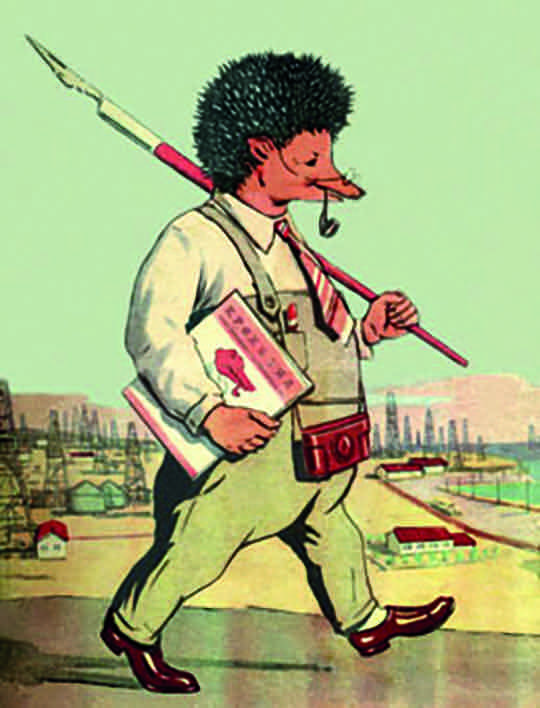
Beginning of publication of the magazine "Kirpi"
The satirical magazine "Kirpi" was published in Azerbaijan in 1952, catering to the needs and realities of the era. It emerged at a crucial time when there was a demand for a fresh perspective following the legacy of "Molla Nasreddin", offering sharp criticism of societal flaws and shortcomings. True to its readers' expectations, the magazine fearlessly tackled the prevailing challenges of the time. "Kirpi" was established as the initial and exclusive government-approved satirical publication. Until the 1990s, every edition of this popular magazine was printed in 400,000 copies. The magazine "Kirpi" was fiercely fighting against bureaucracy and bribery.
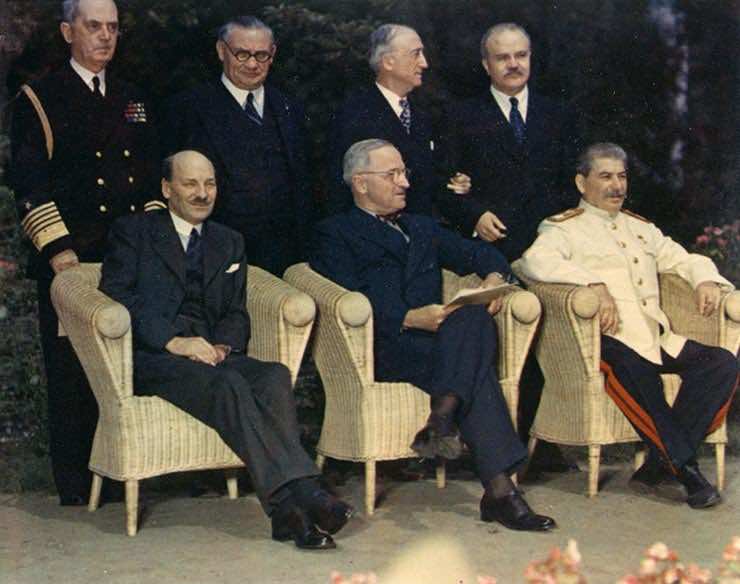
Results of World War II: Potsdam (Berlin) Conference
Following Germany's surrender, it was decided to convene a conference in Berlin with the United States, England, and the USSR to address and find solutions for peaceful resolution in Europe. The conference held in Potsdam near Berlin, with leaders from the USSR, the USA, and England, was commonly known as the Potsdam Conference or "Terminal". The conference occurred from July 17 to August 2, 1945, with Stalin, Churchill, and Truman leading the discussions. Churchill was later replaced by C. Attlee, the Labor Party leader who had recently won the elections. The conference focused on post-war Europe and planning peace treaties with former enemy states.

International Chess Day
The game of chess is considered one of the oldest and at the same time one of the most complex strategic board games in the history of mankind. Chess is a creative product of the human intellect, which today is highly valued not only as a game but also as an interesting area of world culture. The International Chess Federation (FIDE) was founded on July 20, 1924, during the Summer Olympic Games. In 1966, UNESCO decided to celebrate July 20 annually as International Chess Day. FIDE is an international chess federation based in Paris. When the federation was created, it included only 14 countries, but since then it has been constantly expanding.
Creation of the International Monetary Fund
The economic crises of 1929-1933 had a disruptive impact on the global economy. Numerous banks collapsed, savings were lost, agricultural prices plummeted, land values dropped, factories closed, and unemployment soared. Furthermore, the international financial system and currency exchanges were thrown into disarray. The loss of faith in paper money led to a surge in demand for gold, causing financial institutions to accumulate more gold reserves. As a result, some countries, most notably Great Britain, abandoned the gold standard where each currency unit was tied to a specific amount of gold.
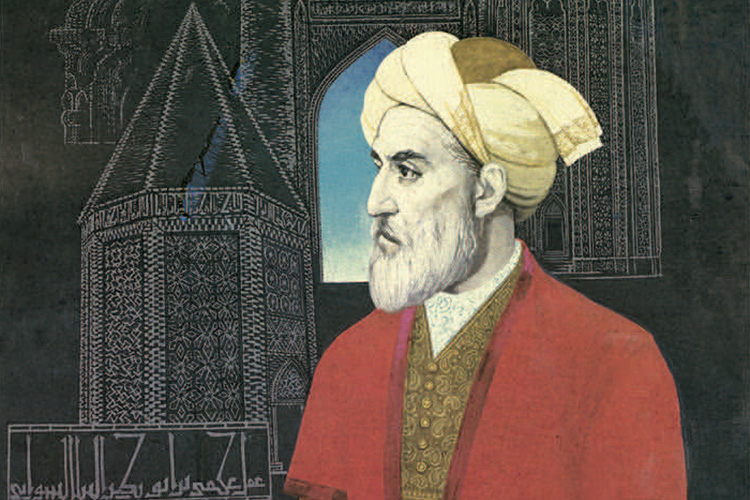
Outstanding architect of Azerbaijan Ajami Nakhchivani
Ajami ibn Abubakr Nakhchivani is a renowned architect from Azerbaijan who established the Nakhchivan School of Architecture. He revolutionized medieval Azerbaijani architecture with his artistic vision, introducing delicacy and dynamism to the Seljuk period's previously heavy and stern style. His impact extended beyond Azerbaijan to influence Middle Eastern architecture. Recognized for his genius, he was honored with the title of "Sheikhul-muhandis" (chief of engineers) by esteemed figures in the East. Ajami's creativity was intertwined with Nakhchivan, the bustling capital of Azerbaijan's powerful Atabay state during the 12th century.
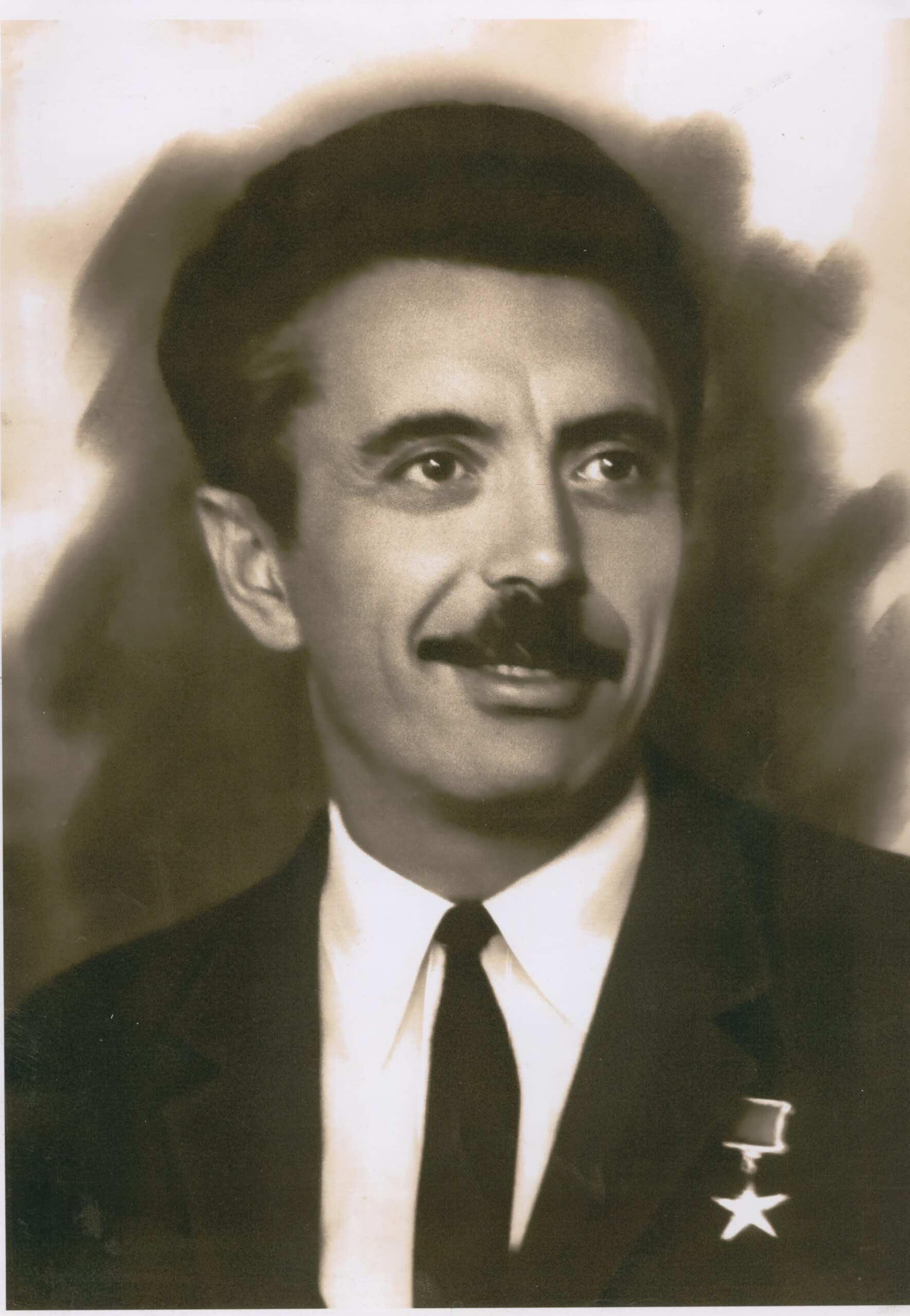
Outstanding Azerbaijani geologist Farman Salmanov
Farman Salmanov was born on July 28, 1928, in the village of Morul in the Shamkhor region of the Republic of Azerbaijan. After graduating from high school, he entered the Azerbaijan Industrial Institute at the geological exploration faculty. In 1954, he graduated from this institute with higher education. After graduating from the institute, F. Salmanov was sent to Baku, but he decided to write a letter to the Minister of Oil Industry N.K. Baibakov with a request to send him to work in Siberia. They responded positively to this letter and the young oil worker’s dream came true. In 1955-1957, he worked as the head of the Plotnikovskaya oil exploration expedition in the Kemerovo region.

World Day Against Trafficking in Persons
The UN General Assembly's resolution adopted on December 18, 2013, established July 30 as the annual World Day Against Trafficking in Persons. One of the key actions taken by many developed countries worldwide is combating human trafficking. The threat of human trafficking in today's world is seen through its diverse manifestations. Some of the contributing factors to human trafficking include limitations on job opportunities, education levels of victims, lack of social protection, poverty, discrimination in the job market, and gender inequality.
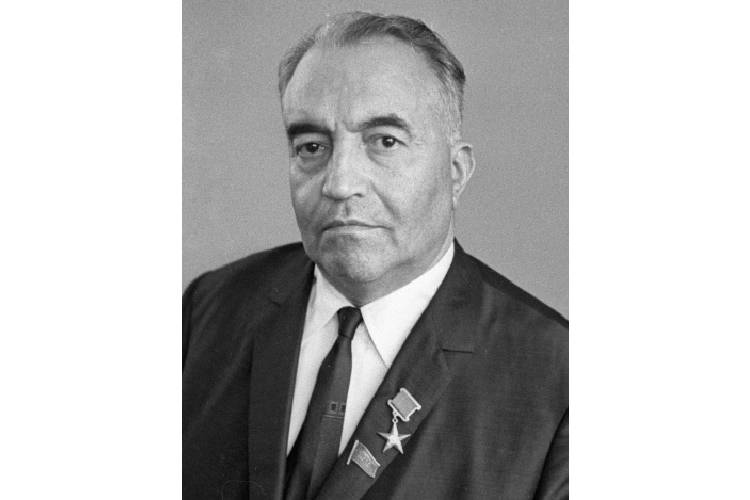
Academician Rustam Ismayilov
Rustam Hajiali oglu Ismayilov was born on 1 July 1909 in Baku. In 1920-1926 he studied at the Transcaucasian military school. In 1929 he entered the faculty of oil technology of Azerbaijan Industrial Institute and at the same time started his labour activity. He worked as a duty supervisor and workshop foreman at Budyonnov oil and gas plant. In 1933 he graduated from the Azerbaijan Oil Institute with a speciality of engineer-technologist. Then from 1933 to 1938 he worked as a shop foreman, and later became a director at the same plant where he worked.