
Renowned composer, People's Artist of Azerbaijan Ogtay Kazimi
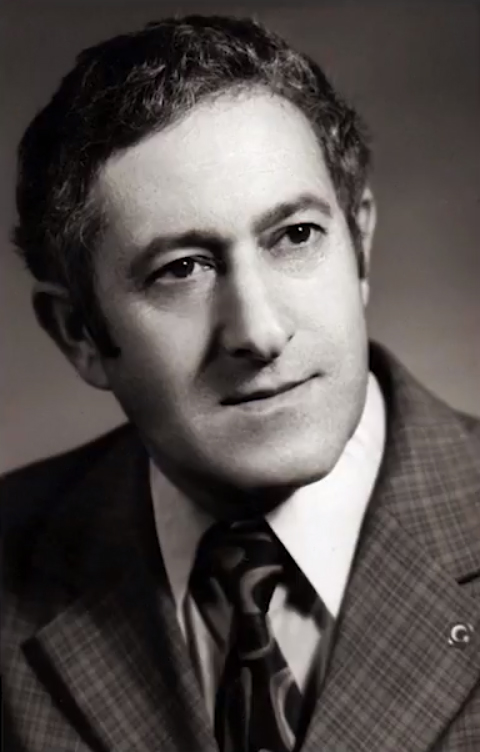 People’s Artist of the Republic of Azerbaijan and renowned composer Oqtay Mammad oglu Kazimi was born on 27 December 1932 in the city of Astara. In 1950, he began his secondary music education in the choral conducting department of the Baku Music College named after Asaf Zeynalli while simultaneously engaging in composition. During his studies at the music school, he composed his first song, “Bəxtəvər uşaqlar” (Happy Children). In 1957, Oqtay Kazimi entered the choral conducting faculty of the Uzeyir Hajibeyli Azerbaijan State Conservatory. A year later, he transferred to the composition faculty, continuing his studies in the class of People’s Artist and Professor Jovdat Hajiyev.
After graduating from the conservatory in 1965, Oqtay Kazimi embarked on an independent creative path, exploring various genres of musical art. He is the author of the musical comedies “Qızıl toy” (Golden Wedding), “Danabaş kəndinin əhvalatları” (Stories of Danabash Village), “Dəli dünya” (Mad World), “Meşədə futbol” (Football in the Forest); the epic opera “Dədə Qorqud – nəğmələri” (Songs of Dede Gorgud); the symphonies “Qəhrəmanlıq” (Heroism) and “Şəhidlər” (Martyrs); the symphonic suites “Qarabağ lövhələri” (Karabakh Sketches) and “Sumqayıt lövhələri” (Sumgayit Sketches); the oratorios “Hophopnamə” (Hophopnama), “Peyğəmbər” (The Prophet), “Murovdağ nəğmələri” (Songs of Murovdag); the cantata “Nəğməmsən, Azərbaycan” (You Are My Song, Azerbaijan); the poem-concerto for piano and orchestra; the concerto for folk instruments; the vocal-symphonic poem “Millətin oyaq gecəsi” (The Nation’s Vigil Night); the “Qarabağ rapsodiyası” (Karabakh Rhapsody); the Festive Overture; the “Trilogiya” (Trilogy) for choir and symphonic orchestra; as well as numerous chamber-instrumental works and pieces for folk instruments orchestra and estrada orchestra.
The song genre holds a special place in Oqtay Kazimi’s creative legacy. His more than 200 songs — including “Həyat, sən nə qəribəsən” (Life, How Strange You Are), “Qaytar eşqimi” (Return My Love), “Bakının qızları” (Girls of Baku), “Bayram olsun” (Let There Be a Celebration) and others — have won the hearts of listeners with their beautiful, lyrical melodies. The composer’s songs occupy a memorable and ever-loved place in the repertoire of the country’s distinguished singers, including Rashid Behbudov, Shovkat Alakbarova, Oqtay Agayev, Yalchin Rzazade, and others. His song “Həyat, sən nə qəribəsən” became especially popular in the 1960s–70s through the performance of the well-known vocal-instrumental ensemble “Gaya”.
As a public figure in the field of music, he actively participated in the musical life of the republic. Since 1966, he had been a member of the Azerbaijan Composers’ Union. In 1966–1967, he worked as a teacher at the Sumgayit Music College, later serving as head of the academic department. During his years in Sumgayit, Oqtay Kazimi founded the “Eksperiment” estrada orchestra. In subsequent years, the composer worked as a music editor at the Philharmonic and taught at the Asaf Zeynalli Secondary Special Music School in the folk instruments faculty. For many years, the composer’s songs held a special place in the repertoire of the “Dan Ulduzu” ensemble.
Oqtay Kazimi’s creative work was highly valued by the state. He was awarded the honorary titles of Honored Art Worker (1992) and People’s Artist of the Republic of Azerbaijan (2006), as well as the Presidential Scholarship. He is also the author of the first rock opera in Azerbaijan.
Oqtay Kazimi, who made significant contributions to the development of Azerbaijani music, passed away on 9 August 2010.
Recommended literature:
- Səfərova, Zemfira Yusif qızı. Azərbaycanın musiqi elmi: XIII-XX əsrlər /Z. Səfərova ; red. S. Aslanova. - Bakı: Azərnəşr, 2006. - 544 s.
- XX əsrin Azərbaycan musiqisi: [məqalələr toplusu] ; elmi red. və tərt. A. Tağızadə (ön söz müəl.) ; redkol. N. Mehdiyeva ; Ü. Hacıbəyov ad. Azərb. Dövlət Konservatoriyası, Musiqi tarixi kafedrası. - Bakı: [s. n.], 1994. - 200 s.