
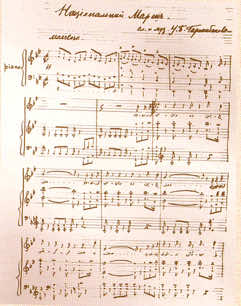
State Anthem of the Republic of Azerbaijan
The first attempt to create a State Anthem in Azerbaijan was made during the Azerbaijan Democratic Republic. In addition to other attributes of statehood, the government of the ADR has taken certain steps to create our state anthem. Although the draft of the anthem of the independent Republic of Azerbaijan was prepared in 1919-20, historical and political events of that period did not allow it to be adopted at the legislative level. Thus, in the issue of the Azerbaijan newspaper, the official organ of the ADR it is reported that the Ministry of Public Education submitted official proposals to the government on the issue of organizing the preparation of the state anthem.
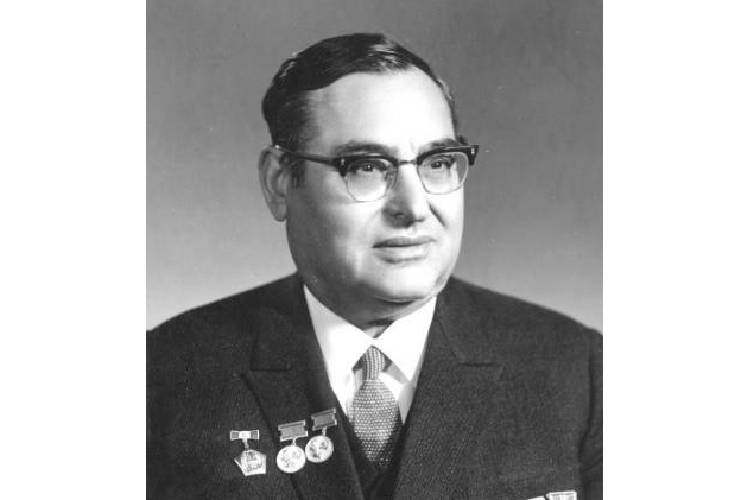
Academician Ahad Yagubov
Yagubov Ahad Alakbar oglu was born in 1908 in Baku. In 1934 he graduated from the mining department of the Azerbaijan Polytechnic Institute (now the Azerbaijan State University of Oil and Industry) with a degree in geological engineering. In 1941, A.Yagubov defended his thesis on the topic “Mud volcanoes of the western part of the Absheron Peninsula and their connection with oil-bearing capacity”, received the degree of Doctor of Geological and Mineralogical Sciences, and in 1942 was awarded the USSR State Prize. In 1947 he was elected as an active member, academician-secretary of the Academy of Sciences of Azerbaijan (ANA).
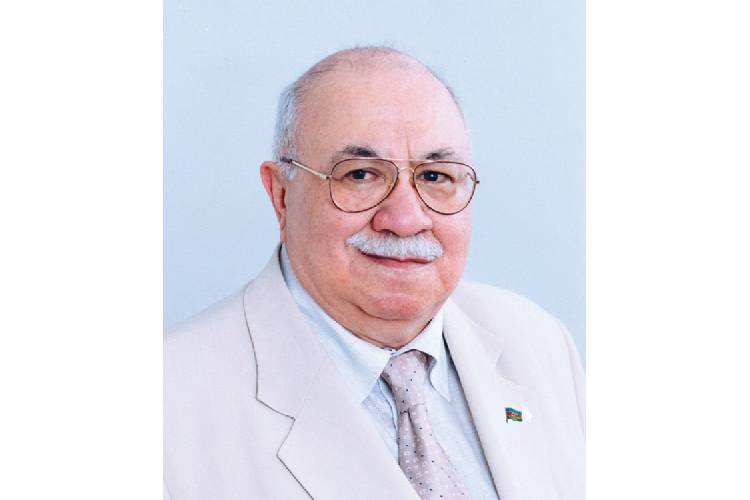
Prominent writer, screenwriter and film director Maqsud Ibrahimbeyov
Ibrahimbeyov Magsud Mammadibrahim oghlu was born in Baku on May 11, 1935. After graduating from secondary school, he pursued higher education at the Faculty of Civil Engineering of the Azerbaijan Polytechnic Institute from 1955 to 1960. He later studied at the Higher Screenwriting Courses in Moscow from 1971 to 1964 and attended the Higher Director's Courses from 1971 to 1973. Magsud Ibrahimbeyov began his career in 1960 as an engineer at the Heavy Industry Construction Trust of the Azerbaijani Ministry of Construction. He later held various positions within the organization and worked as a special correspondent for Azerbaijan at the USSR Central Television and Radio Broadcasting Committee.
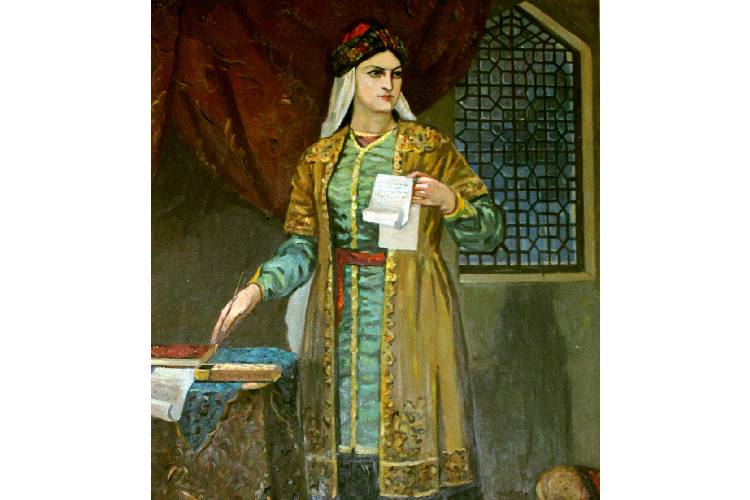
Great Azerbaijani poetess Mahsati Ganjavi
Mahsati Ganjavi, the first prominent female poet, chess player, musician, and composer of Azerbaijan, was born on May 12, 1089, in Ganja. As one of the founders of the 12th-century poetry school, she played a significant role in developing Azerbaijani literature. Her real name was Manija, and she adopted Mahsati as a literary pseudonym. There is a legend about the origin of her pseudonym. One day, the Seljuk Sultan Sanjar invited her to the palace. The poetess tells the Sultan she is the smallest and most invisible person in the palace. The Sultan disagrees and tells her in Persian: "To meh-hasti" ("you are the greatest of all"). Thus, "meh-hasti" becomes the pseudonym "Mahsati.
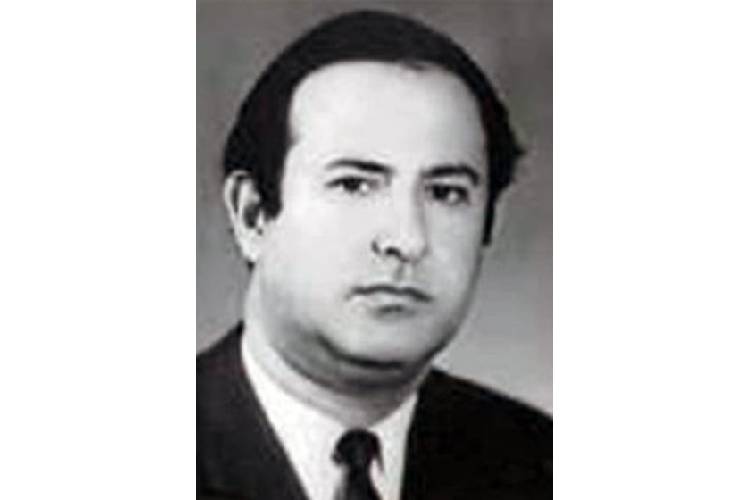
Renowned fabulist, poet-translator Hikmat Ziya
Honored Artist, renowned poet, and fable writer Afandiyev Hikmat Ziya oghlu was born in Shaki on May 13, 1929. His father, Ziya Afandiyev, worked as a teacher in Shaki, Zagatala, and Aghdam as a professional educator. His grandfather, Abdulla bey Afandizadeh, was a member of the parliament of the Azerbaijan Democratic Republic and worked as a teacher. His grandfather played a major role in his development as a playwright and poet. Hikmat Ziya, who spent his childhood in Karabakh, received his secondary education at Secondary School No. 1 in Aghdam.

International Day of Light
May 16th is the International Day of Light, established by UNESCO in November 2017. This day is celebrated annually by the Steering Committee as part of UNESCO's International Basic Science Programme (IBSP). Its establishment was inspired by the International Year of Light and Light-based Technologies, which UNESCO initiated in 2015. That year, 147 countries hosted more than 13,000 events highlighting the role of light in science, culture, art, medicine, and daily life. The date of May 16 was chosen to coincide with the day when the laser was first demonstrated to the world in 1960 by physicist and engineer Theodore Maiman. Light plays a central role in human activity.
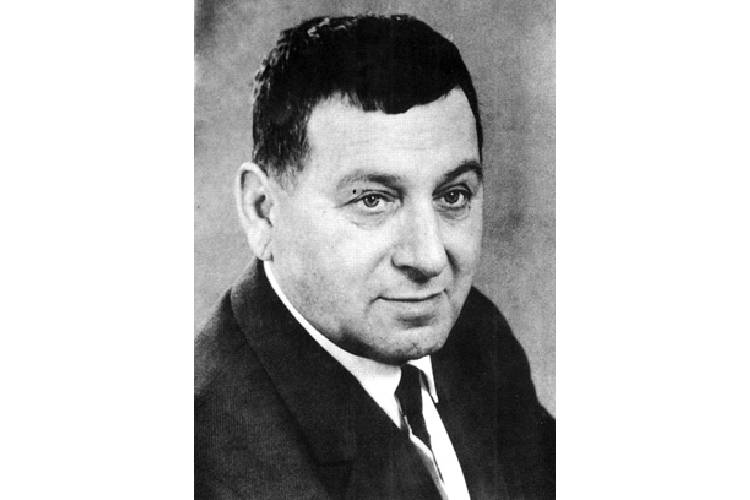
People's Poet of Azerbaijan Rasul Rza
Rzayev Rasul Ibrahim oghlu was born on May 19, 1910, in Goychay into an enlightened family. At fourteen, while studying, he also worked at the city library. In 1925, he enrolled in the Ganja Industrial and Agricultural Technical School but later left his studies to move to Baku, where his sisters lived. There, he became acquainted with prominent literary figures such as Samad Vurghun, Mikayil Mushfig, Suleyman Rustam, Mehdi Huseyn, Mikayil Rafili, and Ali Nazim, thanks to his schoolmate, poet Abdulla Farug. Soon, he was accepted as a translator for the "Gənc işçi" ("Young Worker") newspaper.
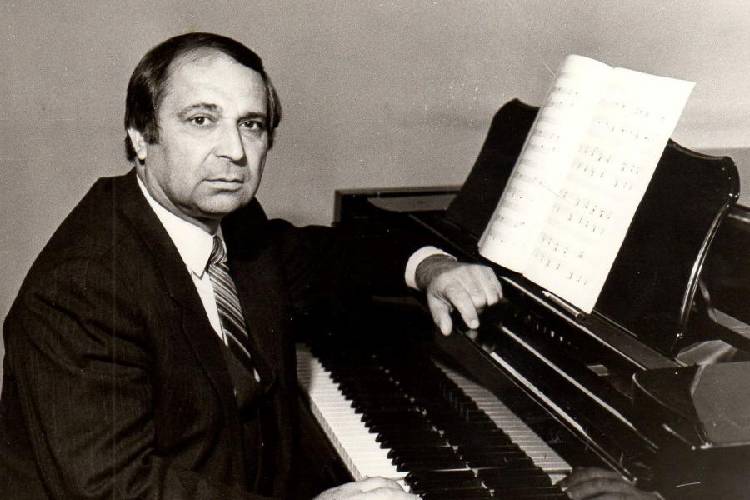
Renowned composer Agshin Alizadeh
Agshin Aligulu oghlu Alizadeh was born on May 22, 1937, in Baku. After graduating from Bulbul Special Music School in Baku in 1955, he pursued a higher education in composition at the Uzeyir Hajibeyli Azerbaijan State Conservatory. Agshin Alizadeh began his career as a teacher at the Azerbaijan State Conservatory in 1963, where he worked in the composition department until 1972. He served as Secretary of the Board of Directors of the Azerbaijan Composers' Union from 1979 to 1985 and as First Secretary from 1985 to 1990. Additionally, he was the artistic director of the Azerbaijan State Philharmonic from 1991 to 1994.
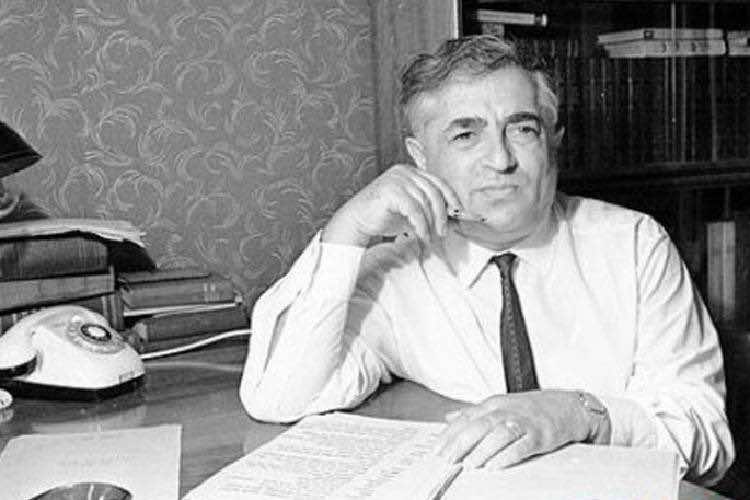
Prominent prose writer and playwright Ilyas Afandiyev
Ilyas Mahammad oghlu Afandiyev was born on May 28, 1914 in the city of Fuzuli. Ilyas Afandiyev's mother, Bilgeyis Khanum, played an invaluable role in his development as a young man. She instilled in him a love for books, literature, and reading. After her spouse’s death, she became her son’s teacher, friend, and father figure. The future renowned writer developed a strong work ethic and a keen interest in reading from a young age.
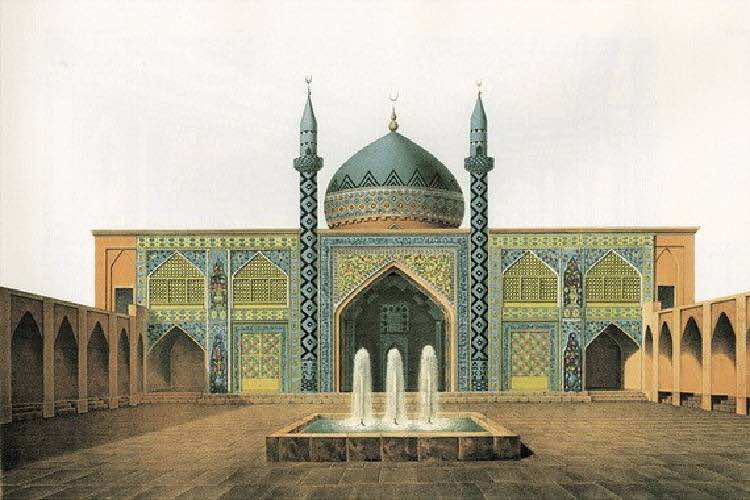
The concession of Iravan to Armenia as a political center
Throughout its history, Iravan has been one of the oldest cultural centers in the Caucasus, with most of its population being Azerbaijani. In the late 18th and early 19th centuries, the Iravan Khanate had a strategic position between the Ottoman and Qajar empires. In 1828, the Iravan Khanate was incorporated into the Russian Empire with the Treaty of Turkmenchay, concluded as a result of the Russo-Iranian War. As part of Russia's Caucasian policy, especially from 1828 to 1830, tens of thousands of Armenian families were resettled from Iranian and Ottoman lands to Iravan and surrounding regions.