
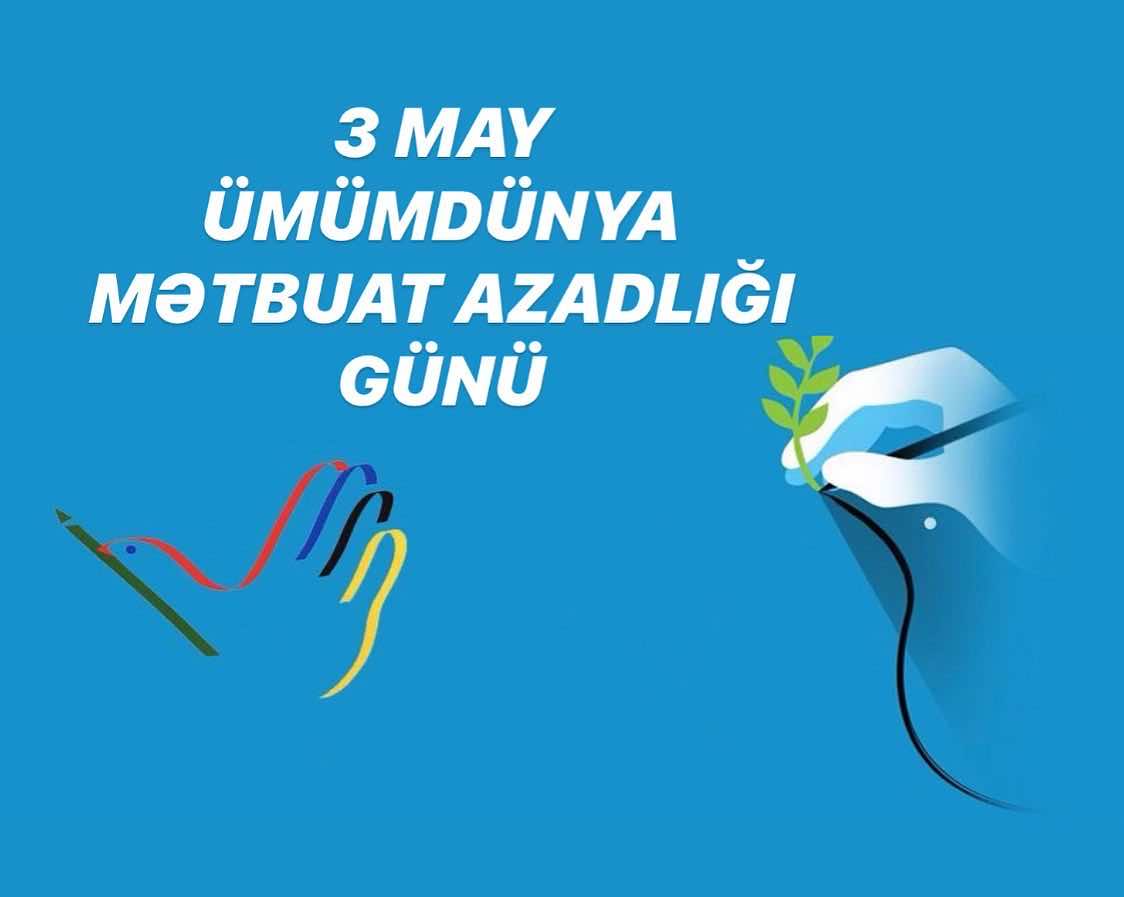
World Press Freedom Day
People have always been hungry for information. They tell each other what they have seen and heard, so any news travels fast. Heralds, merchants, travellers, messengers and even pigeons have been used for information transmission for thousands of years. The dissemination of information, as well as the growing interest in it, led to the creation of information boards made of plaster. Such boards were made in ancient Rome at the behest of Julius Caesar. The Acta diurna (also called Acta populi, or Acta publica), said to date from before 59 BCE, recorded official business and matters of public interest.
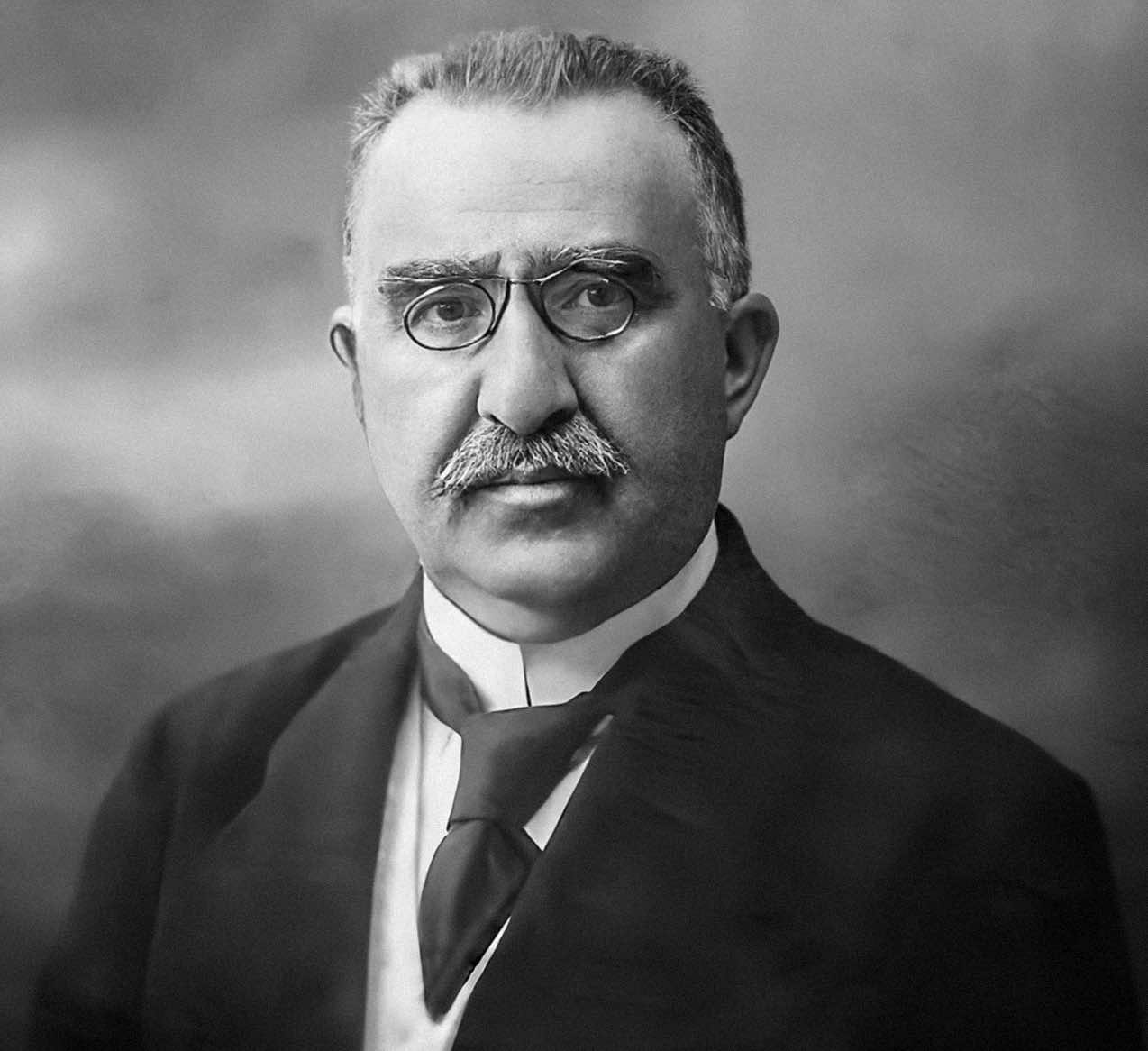
The first Chairman of the Parliament of Azerbaijan, diplomat Alimardan Bey Topchubashov
Politician and statesman, scholar-publicist Alimardan bey Alekper oglu Topchubashev was born on May 4, 1862 in Tbilisi. He received his first education at the 1st Tbilisi Gymnasium. In 1884 he successfully graduated from high school and entered the Faculty of History and Philology of St. Petersburg University. However, after the first semester, he transferred to the Faculty of Law. In 1888 he graduated with honors from the university and received the title of candidate of legal sciences. After university, A. Topchubashev worked as an assistant judge, a lawyer in Tbilisi, and a publicist in Baku. In 1898, he bought the Caspian newspaper and headed it.
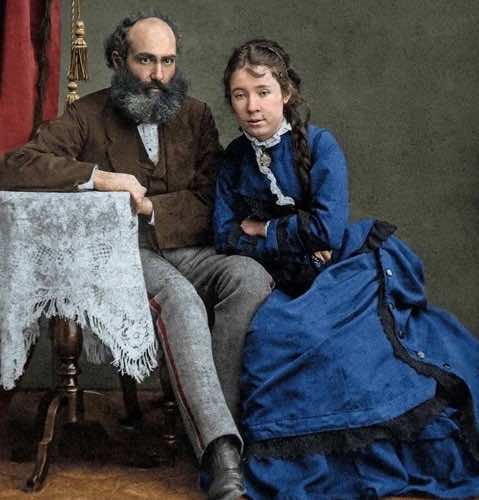
Hanifa Malikova-Zardabi - one of the first women educators of Azerbaijan
Hanifa Malikova-Zardabi was born on 5 May 1856 in the North Caucasus, in the city of Nalchik. She studied in Saint Nino girls’ School in Tbilisi, Georgia, the only place available for girls’ education at that time. Hanifa khanum married Hasan bey Zardabi, one of the founders of the enlightenment movement in Azerbaijan. The story of how couple met is very interesting. Once in the newspaper “Caucasus” he saw the list of girls graduated from the St. Nino Educational Institution in Tbilisi, in 1872. There was only one Muslim surname there – Hanifa Abayeva. Hasan bey Zardabi immediately went to Tbilisi wishing to marry this educated girl.
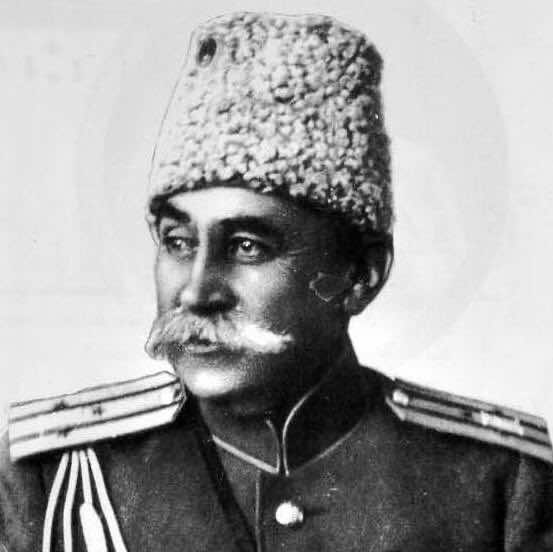
The first Azerbaijani military topographer, General Ibrahim agha Vakilov
Ibrahim Agha Pasha Agha oglu Vekilov was born on 7 May 1853 in the village of Girag Salakhly in the Gazakh district of Yelizavetpol province. His father Pasha oghlu Pasha died in 1864. On September 6, 1866 Ibrahim Agha Vekilov entered the third military gymnasium in Tbilisi, which provided education in the scope of secondary school. The future general studied there for nine years, and then, following the advice of his countryman Mirza Huseyn Efendi Gaibzadeh entered the Military Topographical School in St Petersburg. In 1879 Ibrahim Agha Vekilov successfully accomplished his studies and received the military rank of ensign.
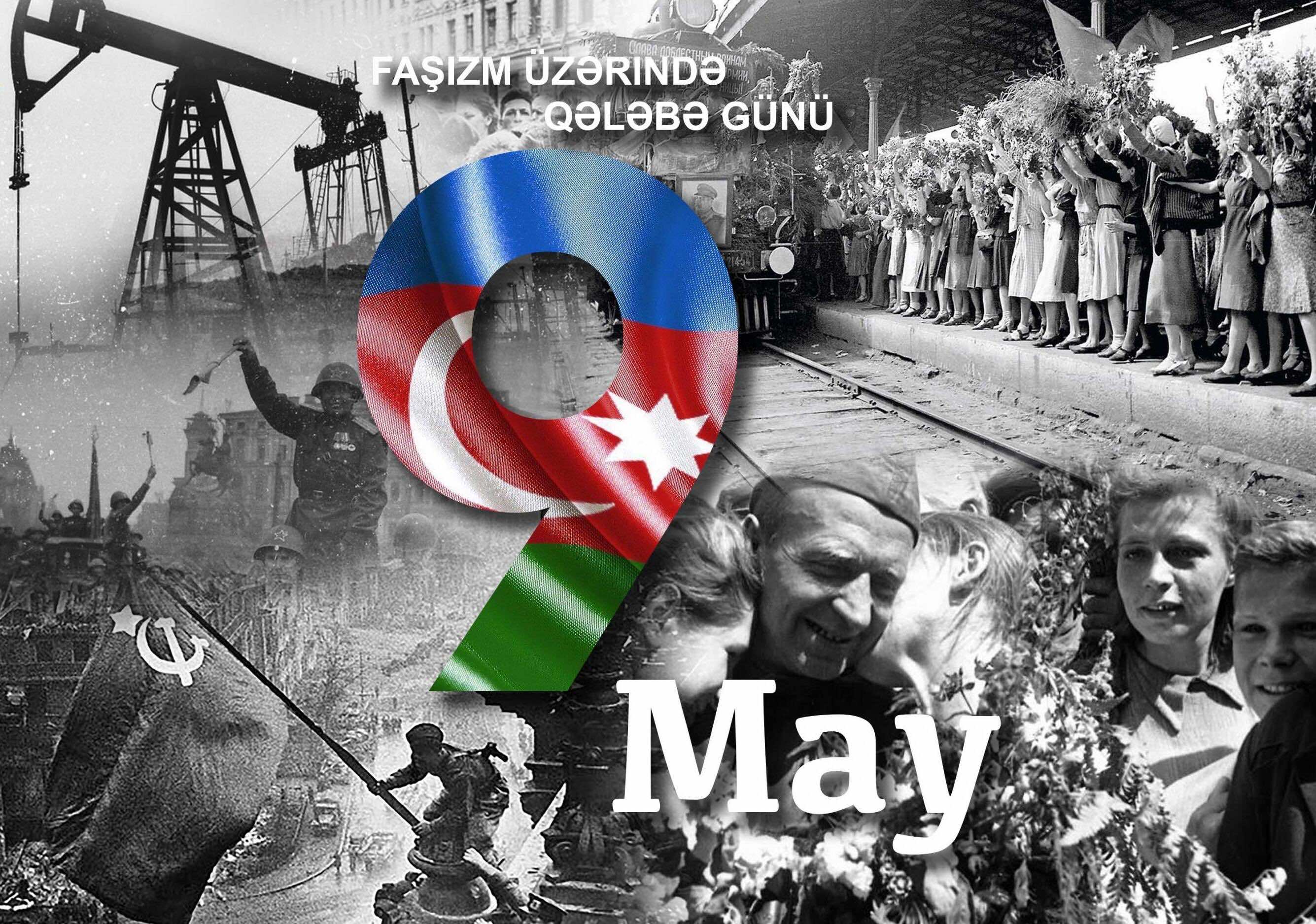
Day of Victory over fascism
German troops invaded Poland on September 1, 1939, triggering World War II. In response to German aggression, Great Britain and France declared war on Nazi Germany. World War II began. Breaking its 1939 (August 23) treaty with the USSR, Germany launched its invasion of the Soviet Union during World War II. On June 22, 1941, Germany launched its a full-scale invasion of the USSR codenamed Operation Barbarossa. The German military plan called for an advance up to a hypothetical line running from the port of Archangel in northern Russia to the port of Astrakhan on the Caspian Sea – the so-called “A-A line” before winter.
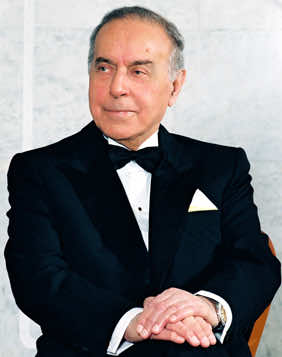
National leader Heydar Aliyev
Heydar Alirza oglu Aliyev was born on 10 May 1923 in the city of Nakhchivan, Azerbaijan. In 1939, after graduating from Nakhchivan Pedagogical School he entered Azerbaijan Industrial Institute (present Azerbaijan State Oil and Industrial University), Faculty of Architecture, but the outbreak of the World War II prevented him from completing his education. In 1941-1944, Heydar Aliyev headed a secret division at the Archive Department of the People's Commissariat of Internal Affairs of Nakhchivan Autonomous Republic and then served as head of the General Department of the Council of People's Commissars of Nakhchivan Autonomous Soviet Socialist Republic.
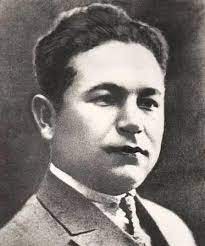
Prominent linguist, literary critic, professor Bekir Chobanzade
Bekir Chobanzade was born on May 15, 1893, in the city of Garasubasar, Simferopol region, Crimea. He received his primary education there. At the age of 14, he attracted attention with his extraordinary intelligence. The Society of Religious Benefactors sent him to Turkey to continue his education at Galatasaray high school - "Sultaniyya" (1908-1918). He wrote his first poems, also the poem "Where is Mother?" in his student days. B. Chobanzade studied Arabic and Persian languages to perfection in the three-year higher course at Istanbul University.

World Telecommunication and Information Society Day
World Telecommunication and Information Society Day has been celebrated annually on 17 May. The celebration of this universal history is connected with the founding of the International Telegraph Union. On May 17, 1865, the International Telegraph Union was founded in Paris to define uniform standards for telegraphic communications of that time, and since 1932 it has been called the International Telecommunication Union (ITU). On May 17, 1865, the International Telegraph Union, the predecessor to the modern ITU, was founded in Paris as the first international standards organization. The Union was tasked with implementing basic principles for international telegraphy.

International Museum Day
Every year, May 18 is celebrated as International Museum Day in the world. Established by the International Council of Museums (ICOM) to promote cultural exchange and cooperation between nations, this holiday is held under a different motto every year. The International Council of Museums (ICOM) was founded in 1946. ICOM is a worldwide organization representing museums and museum professionals committed to protecting and promoting the tangible and intangible, natural and cultural heritage of the past and future. ICOM includes more than 45,000 members from 138 countries.
National Library of Azerbaijan
The main library of Azerbaijan is the largest national library not only in the Caucasus and the European continent, but one of the largest national libraries and book depositories in the world. The library was founded in 1922 and officially opened on May 23, 1923. When the library was created, 5,000 copies of literature were donated to the library from the funds of the libraries of Imperial Technical Society’s Baku branch and Baku Public Society. First director of the library which started activity with only 13 employees was M.Salimov. The reading hall in the library was opened in 1927. The reading hall was open from 10 a.m. to 10 p.m. every day.