
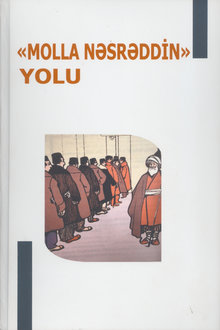

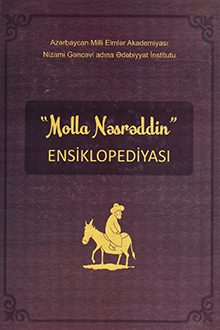
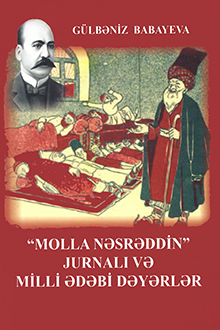
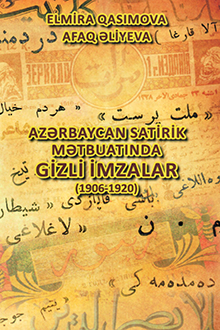
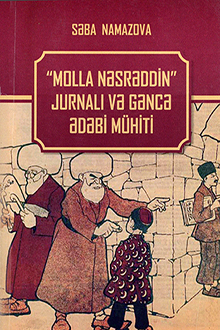
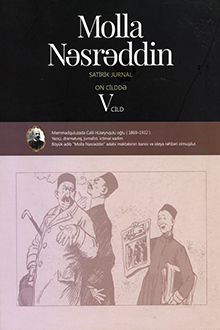
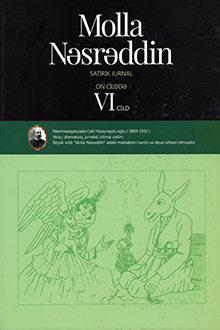
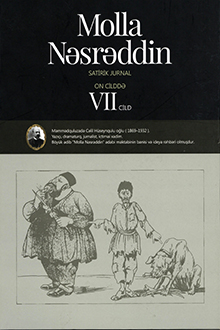
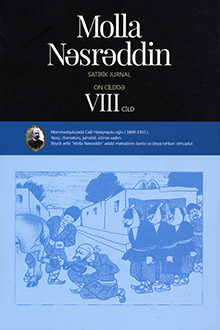
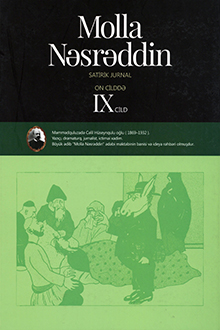
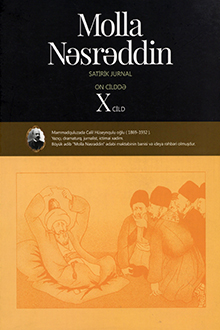
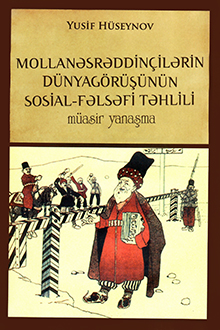
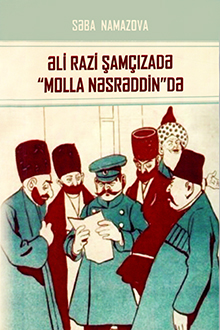
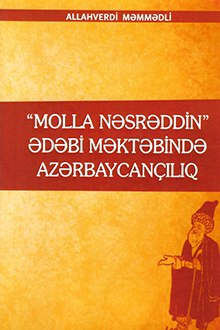
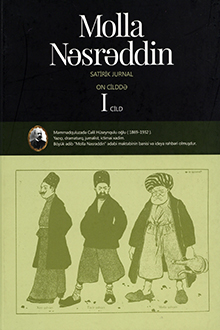
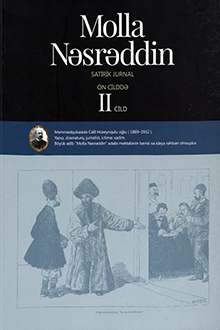
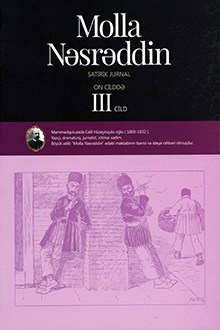
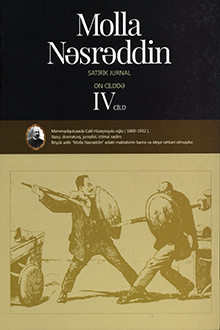
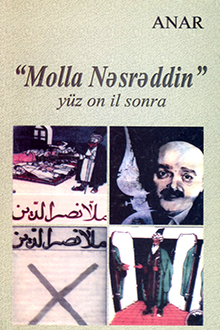
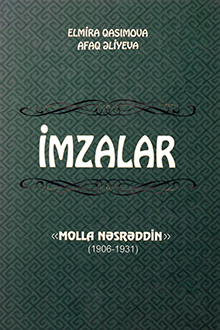

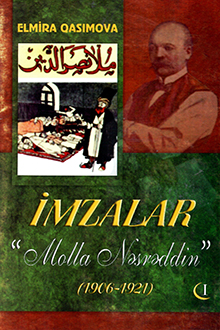

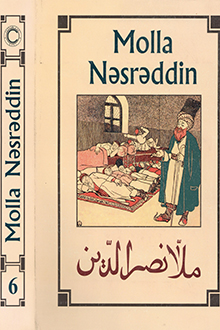
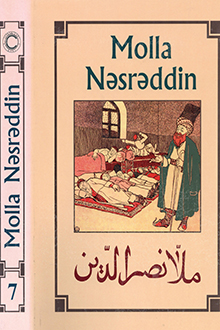
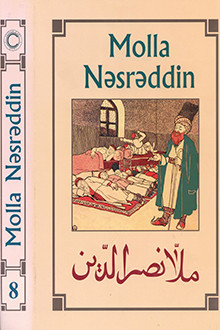
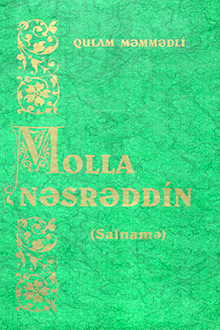
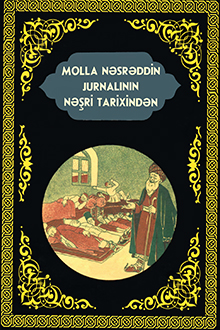
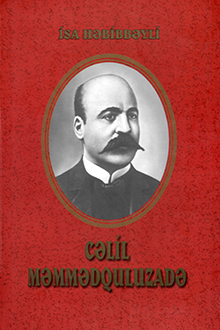
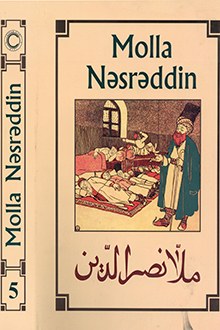
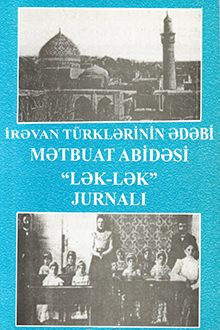
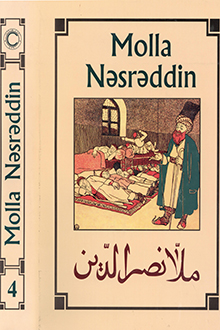

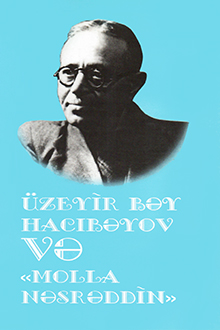
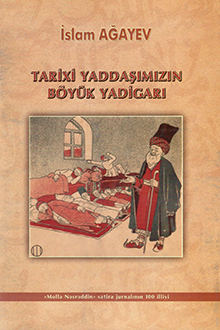
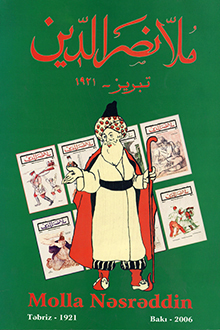

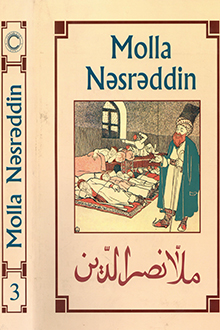
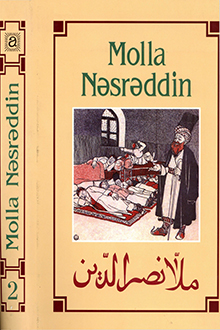
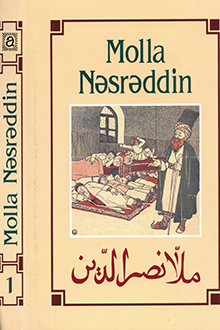
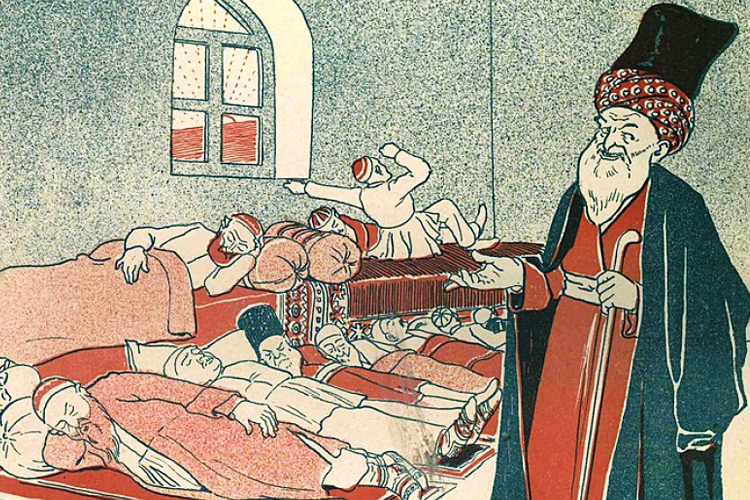
The journal "Molla Nasreddin" is regarded as one of the most outstanding examples of the Azerbaijani press and of Eastern journalism in the early 20th century. The journal began publication in 1906 in Tiflis and subsequently continued publication in Tabriz and Baku. Its founder and editor-in-chief was the prominent writer and publicist Jalil Mammadguluzadeh. Taking its name from Molla Nasreddin, the celebrated figure of Eastern folklore, the journal set out to expose the vices of society through sharp satire and humour. "Molla Nasreddin" was not merely a literary publication, but also a platform for public thought that confronted the most pressing issues of its time — illiteracy, fanaticism, backwardness, the denial of women’s rights, social injustice, and colonial policy. Prominent intellectuals and artists of the time gathered around the journal. It published works by such writers as Mirza Alakbar Sabir, Abdurrahim bey Hagverdiyev, and Mammad Said Ordubadi, as well as by the renowned caricaturist Azim Azimzadeh. One of the journal’s defining features was the unity of word and image — alongside satirical texts, it gave wide prominence to powerful and expressive caricatures. Distinguished by its use of simple and accessible popular language, the journal "Molla Nasreddin" appealed to a broad readership. It gained great prestige not only in Azerbaijan but throughout the Muslim East, exerting a significant influence on the enlightenment movement in Iran, Türkiye, Central Asia, and other regions. The journal’s language, style, and ideas fostered the formation of a new literary school and played an important role in the development of satirical journalism. The virtual exhibition demonstrates that "Molla Nasreddin" was not only a literary and press publication, but also an important platform for social awakening and the movement of national self-awareness. The journal’s legacy remains relevant to this day and is highly valued as an integral part of Azerbaijani culture, the traditions of satire, and the history of freedom of expression.