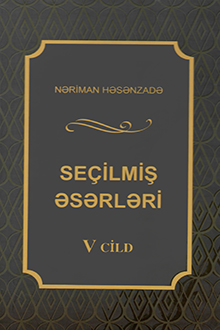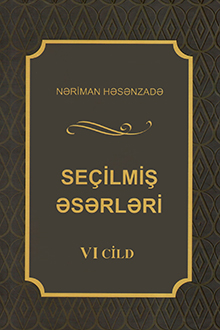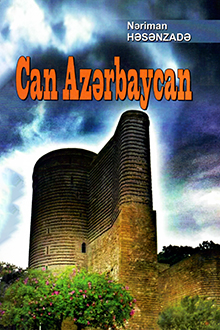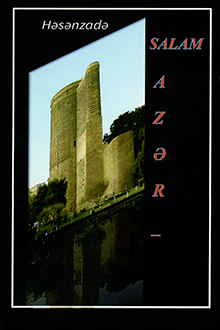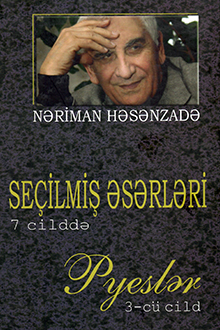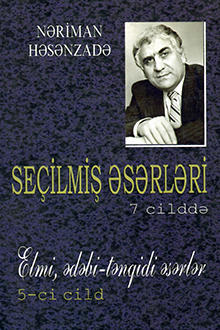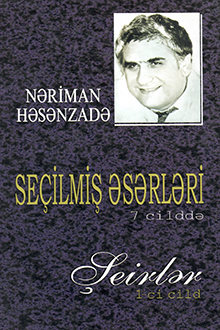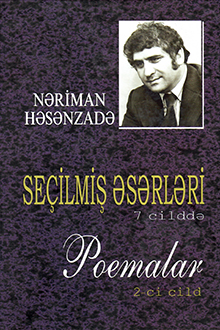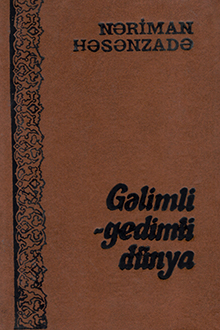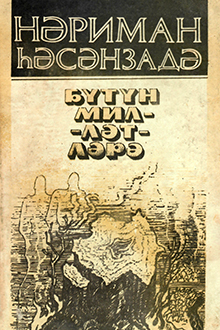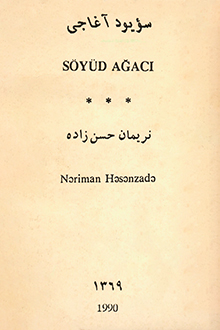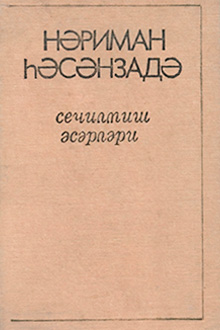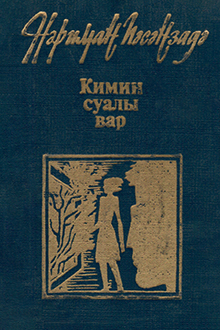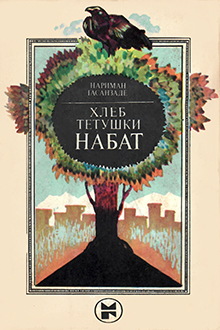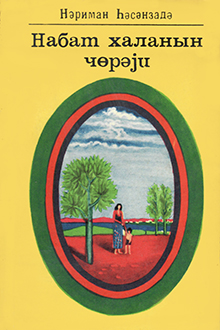
Nariman Hasanzadeh
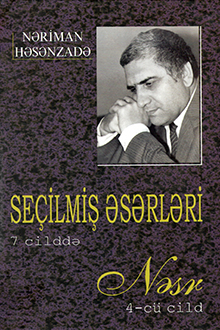
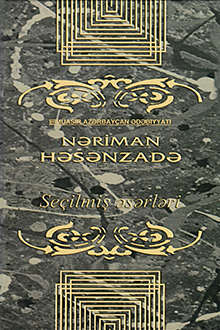
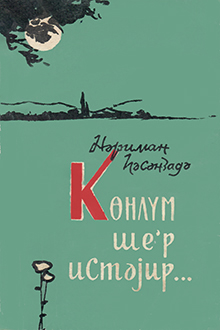
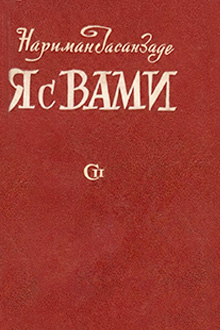
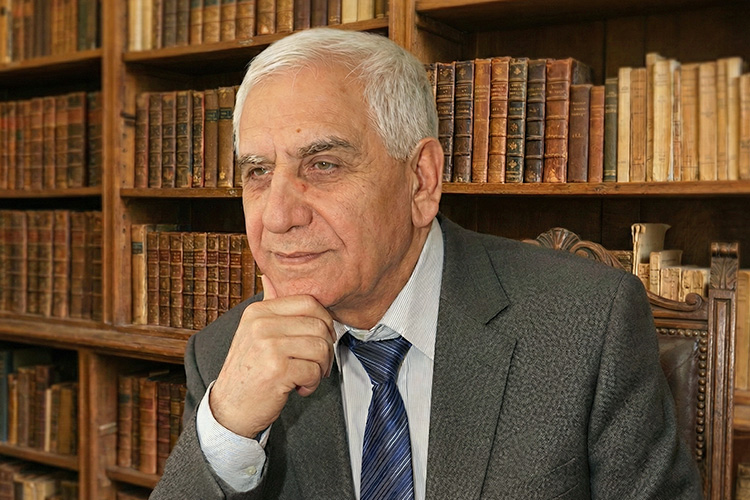
Nariman Hasanzadeh is a distinguished Azerbaijani poet, playwright, and publicist whose work occupies a significant place in the history of national literature of the second half of the 20th and the early 21st centuries. His literary oeuvre is marked by a profound commitment to national and spiritual values, a clearly articulated civic stance, a lyrical-philosophical mode of thought, and an organic synthesis of artistic simplicity with conceptual depth. His literary legacy represents an important stage in the ideological and aesthetic evolution of modern Azerbaijani poetry. The central themes of Nariman Hasanzade’s poetry include the Motherland, native land, history, and national identity. He offers a poetic interpretation of the destiny of the Azerbaijani people, their historical memory, and their spiritual world at a level of broad artistic generalization. A prominent place in his work is devoted to the Karabakh issue, as well as to the ideas of national freedom and historical justice. Through these themes, the poet articulates a deeply rooted sense of cultural continuity and collective responsibility. His lyric poetry is distinguished by philosophical depth and reflective intensity. It explores the relationship between the individual and time, the meaning of human existence, moral responsibility, love, and fidelity. The introspective quality of his verse is combined with a heightened awareness of social and historical realities, which lends his poetry both personal resonance and civic significance. Nariman Hasanzadeh has also proved himself as a prolific playwright, authoring a number of stage works in which historical figures and aspects of the national character are artistically embodied. In his dramaturgy, socio-political events serve as a contextual framework within which particular emphasis is placed on the fate of the individual, the dilemmas of conscience, and the complexities of moral choice. In his publicistic writings, the author addressed pressing contemporary issues, engaging critically with questions of literature, culture, and national development. In recognition of his substantial contribution to the formation and advancement of Azerbaijani literature, he has been awarded high state honors and honorary titles.